
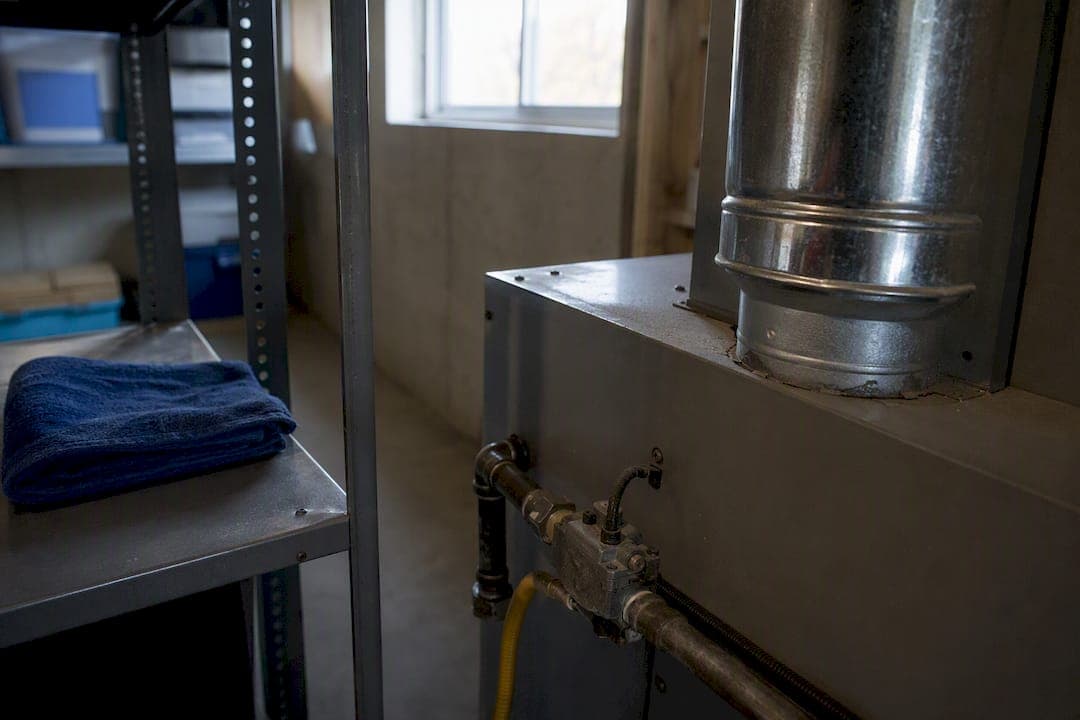
If your furnace smells like gas and the odor is strong, persistent, or paired with hissing, treat it as an emergency: get everyone and every pet out of the house and call your gas utility's emergency line (or 911) from outside. A brief whiff lasting only a few seconds when the furnace first kicks on can be normal. Anything beyond that isn't. One more thing worth knowing: carbon monoxide, the most dangerous byproduct of a malfunctioning furnace, has no smell at all, which is exactly why a working CO alarm matters as much as your nose does.
- Strong or persistent rotten-egg odor = evacuate, then call the gas utility
- Hissing sound near the furnace or gas line = evacuate immediately, don't investigate
- Brief odor at startup that clears in seconds = usually not an emergency, but watch it
- No CO alarm installed = fix that before anything else on this list
Key Takeaways
A gas smell from your furnace demands evacuation and a utility call when it's strong or persistent, while a brief startup puff usually isn't an emergency but still deserves a professional look.
| Point | Details |
|---|---|
| Strong smell means evacuate | Leave the house immediately, avoid switches or sparks, and call the gas utility or 911 from outside. |
| Brief startup odor can be normal | A whiff lasting a few seconds from delayed ignition usually clears on its own, but repeats need service. |
| CO is odorless, gas is not | Install CO alarms plus a separate combustible-gas detector since the two hazards need different equipment. |
| Cracked heat exchangers are a CO risk | This danger shows up as carbon monoxide, not a rotten-egg smell, making annual inspection essential. |
| E320 Air offers full diagnostic testing | Pressure testing, combustion analysis, and leak detection identify the exact cause before any repair begins. |
Table of Contents
- Furnace Smells Like Gas: Is a Faint Odor Normal or a Warning Sign?
- What a Gas Furnace Odor Usually Means: Causes Ranked by Urgency
- Furnace Smells Like Gas: Your Step-by-Step Safety Checklist
- How HVAC Professionals Diagnose a Furnace Gas Odor
- Preventing Furnace Gas Smells Before They Start
- Should You Call the Gas Utility or Schedule a Furnace Inspection?
- What Homeowners Notice During a Professional Furnace Inspection
- Get a Same-Day Gas Furnace Inspection From E320 Air
- Sources
Furnace Smells Like Gas: Is a Faint Odor Normal or a Warning Sign?
A quick sulfur smell right when your furnace fires up is often what technicians call a "startup puff." It happens when a small amount of unburned gas ignites in the combustion chamber before the burner fully catches, and it typically clears within a few seconds. Delayed ignition is the usual cause, sometimes combined with residual gas from line purging or a slightly weak ignitor.
The line between harmless and hazardous comes down to duration and intensity. Watch for these red flags:
- Odor lasting longer than a minute or getting stronger, not weaker
- A hissing sound anywhere near the unit or gas line
- Headache, dizziness, or nausea while near the furnace
- The smell returning every single time the furnace cycles on
One clean puff at startup is a furnace clearing its throat. A repeat performance every cycle is a furnace asking for a service call.
What a Gas Furnace Odor Usually Means: Causes Ranked by Urgency
Not every gas odor comes from the same place, and the pattern of the smell tells you a lot before a technician ever shows up. Here's how the common causes stack up, from "keep an eye on it" to "get out now."
- Delayed ignition or dirty burners. A whoosh or puff sound paired with an intermittent smell points to burners that need cleaning or an ignitor losing strength. Repeated delayed ignition also stresses the heat exchanger over time, so it's worth fixing even when it seems minor.
- Small leaks at fittings, flex lines, or valves. These tend to produce a recurring odor that shows up specifically when the furnace cycles, since vibration and heat can loosen a connection that was fine when it was cold.
- A faulty gas valve or control solenoid. This causes a persistent odor rather than an intermittent one and needs urgent professional attention. A valve that isn't seating correctly can leak continuously, not just during ignition.
- Pilot light problems on older furnaces. A weak or improperly adjusted pilot can leave unburned gas lingering near the unit.
- Blocked venting or backdrafting. This is different from a raw gas smell. It's a burning or exhaust odor caused by combustion gases spilling back into the house instead of venting outside. Blocked or disconnected vents can push CO concentrations well past safe levels, and under the worst conditions CPSC testing found flue gas CO exceeding ANSI limits.
- A cracked heat exchanger. This is primarily a carbon monoxide risk, not a mercaptan smell, since CO itself is odorless. It's dangerous precisely because it doesn't announce itself the way a gas leak does.
- Other household sources. Sewer gas from a dry drain trap, a dead rodent near ductwork, or even sulfur well water can mimic a gas smell and send homeowners chasing the wrong problem.
That last point matters more than people expect. A surprising number of "furnace smells like gas" calls turn out to be a P trap that dried out in an unused basement bathroom.
Furnace Smells Like Gas: Your Step-by-Step Safety Checklist
- Evacuate first if the smell is strong or you hear hissing. Get people and pets out of the house immediately. Don't stop to open windows or investigate the source.
- Don't flip switches, use your phone, or light anything inside. Electrical sparks and open flames can ignite accumulated gas. Leave your phone off until you're outside.
- Call your gas utility's emergency line from a safe distance, and call 911 if you were told to or symptoms are present. Manufacturer safety guidance is consistent on this point: leave, then call, never the other way around.
- Only shut off gas at the meter if you're trained to do it or the utility instructs you over the phone. Fumbling with a meter valve you don't understand wastes time you don't have.
- Ventilate only for a faint, brief odor. If the smell is anything stronger, skip this step entirely and get out.
- Tell responders exactly what you noticed. Hissing or no hissing, how strong the smell was, whether anyone felt sick, and whether the furnace was running.
Pro Tip: Keep your gas utility's emergency number saved in your phone under a name like "GAS EMERGENCY" so you're not searching for it with shaking hands. Every second counts more than you'd think.
How HVAC Professionals Diagnose a Furnace Gas Odor
A technician doesn't just sniff around and guess. They work through a specific sequence using tools built for this exact problem.
- Electronic combustible-gas detectors pinpoint leaks at fittings and unions that a soap-bubble test might miss.
- Combustion analyzers measure what's actually coming out of the flue, catching CO problems long before they'd be noticeable by smell.
- Manometers check gas pressure against manufacturer specs, since too much or too little pressure both cause problems.
- Soap solution tests confirm leak locations at joints once a detector flags the general area.
The inspection covers burners, the pilot or ignitor assembly, gas valve seating, flex line connections, the heat exchanger, and the venting system for signs of a blocked or disconnected flue. Depending on what turns up, repairs range from a same-day burner cleaning to a gas valve replacement or, in more serious cases, a heat exchanger swap that takes longer to schedule and complete. Utility leak checks and repair documentation give you paperwork worth keeping, both for your own records and for insurance if it ever comes up.
When Edward walks into a home for a gas odor call, the goal is always the same: rule out the dangerous causes first, then fix what's actually broken. A homeowner shouldn't have to guess whether their furnace is safe. That's what the testing equipment is for.
Preventing Furnace Gas Smells Before They Start
Most gas odor emergencies trace back to skipped maintenance. An annual tune-up from a NATE-certified technician before heating season catches worn ignitors, dirty burners, and early valve wear before they turn into a 2 AM evacuation.
- Install CO alarms on every level of the home, since carbon monoxide from a furnace is invisible and odorless.
- Add a separate combustible-gas detector, because CO alarms don't detect natural gas or propane at all; they're built for entirely different gases.
- Replace furnace filters on schedule and keep the area around the unit clear of storage.
- Check that vent terminations and combustion air intakes outside your home aren't blocked by snow, leaves, or nesting animals.
- Consider replacing a furnace older than 15 to 20 years, since modern units include safety controls that older equipment simply doesn't have.
- Keep a folder, physical or digital, of every inspection and repair receipt.
Pro Tip: Test your CO alarm the same day you change your clocks for daylight saving time. It's an easy date to remember, and it takes ten seconds.
Should You Call the Gas Utility or Schedule a Furnace Inspection?
Not every gas smell needs a 911 call, but knowing the difference in the moment is what actually protects your family.
Call the gas utility or 911 immediately when:
- The odor is strong or getting stronger
- You hear hissing near the furnace or gas line
- Anyone in the house has symptoms like dizziness, headache, or nausea
- You can see a visible line issue, like a damaged connection
Schedule a same-day HVAC inspection when:
- The odor is brief, faint, and only happens at startup
- There's no hissing and nobody feels unwell
- The smell has happened once, not repeatedly
Utility responders check for leaks and can shut off service if needed, but they don't repair the furnace itself. That's a licensed HVAC contractor's job. Write down the date, what you noticed, and any repairs made. It matters for warranty claims and insurance both.
What Homeowners Notice During a Professional Furnace Inspection
Most homeowners expect a quick look and a shrug. What actually happens is closer to a full workup: pressure tests, combustion readings, and a physical check of every connection before anyone calls the job done. Fixes usually land same-day for common issues like burner cleaning or valve replacement. Heat exchanger work takes longer, and we'll always tell you that upfront.
— Edward
Get a Same-Day Gas Furnace Inspection From E320 Air
If your furnace smells like gas more than once, don't wait for the third time to figure out why. E320 Air runs full diagnostic testing, pressure checks, combustion analysis, and gas valve inspection, rather than a quick visual glance that misses the real problem.

On a typical visit, a technician traces the odor to its source, tests for leaks with the same equipment utilities use, and checks your heat exchanger for cracks that a homeowner would never spot alone. If a gas leak in the home turns out to be outside the furnace itself, we'll tell you plainly rather than guess. For furnaces old enough that repair costs start rivaling replacement, our team can also walk you through HVAC installation options with modern safety controls built in. If your furnace has smelled off even once this season, book an inspection with E320 Air and get a straight answer instead of a guess.
Sources
- CDC: Furnace safety fact sheet (carbon monoxide)
- CPSC report: CO emissions from furnaces (test program)
- Furnace smells like gas? Safety steps, causes, and fixes for homeowners - PICKHVAC
- Why do I smell gas when my furnace kicks on - North NJ HVAC
- Trane: Help! My furnace smells like burning / furnace smells like gas
This article is general information, not a substitute for advice from a qualified doctor. Consult a qualified healthcare professional about your own circumstances before acting on anything here.