
TL;DR:
- A comprehensive HVAC inspection evaluates safety, efficiency, and code compliance to protect air quality and reduce energy costs. Proper preparation, including documentation and clear access, ensures a smooth process, while timely inspections help identify common issues like duct leaks and electrical faults. Regular professional evaluations, ideally annually or biannually, are essential for maintaining system performance, especially in California's climate.
A complete HVAC inspection is a professional evaluation that checks your heating, ventilation, and air conditioning system for safety, efficiency, and code compliance. This complete guide to HVAC inspections covers everything California homeowners need to know: what gets checked, how to prepare, what problems to expect, and how ductwork fits into the picture. A standard inspection costs between $75–$200 per visit and takes 60–90 minutes per system. That small investment protects your equipment, your energy bills, and your family's air quality.
How to prepare for your HVAC inspection
Preparation determines whether your inspection goes smoothly or turns into a second visit. Documentation like load calculations, equipment manuals, and maintenance records can speed up the process and is often required to pass. In California, inspectors evaluate both rough-in and final installations, so having paperwork ready is not optional.
Here is what to gather and do before the inspector arrives:
- Pull your maintenance records. Inspectors want to see service history. Missing records raise flags and slow things down.
- Locate your equipment manuals. Manuals confirm model specs and help inspectors verify that components meet current California Title 24 energy standards.
- Clear access points. Move furniture, boxes, or stored items away from your air handler, furnace, condenser unit, vents, and ductwork access panels.
- Note any system problems. Write down unusual noises, odors, uneven room temperatures, or recent spikes in your utility bills. This list saves time and helps the inspector prioritize.
- Understand your permit type. California requires permits for new installations and major replacements. If your system was recently installed or upgraded, confirm that open permits are closed before the inspection date.
Pro Tip: Check your thermostat batteries and run your system for 15 minutes before the inspector arrives. A system that won't start on command adds time and creates doubt about its condition.
California's local jurisdictions sometimes layer additional requirements on top of state codes. Los Angeles County, for example, follows the California Mechanical Code with local amendments. Calling your city's building department before the inspection to confirm current requirements takes ten minutes and can prevent a failed inspection.
What happens during a professional HVAC inspection?
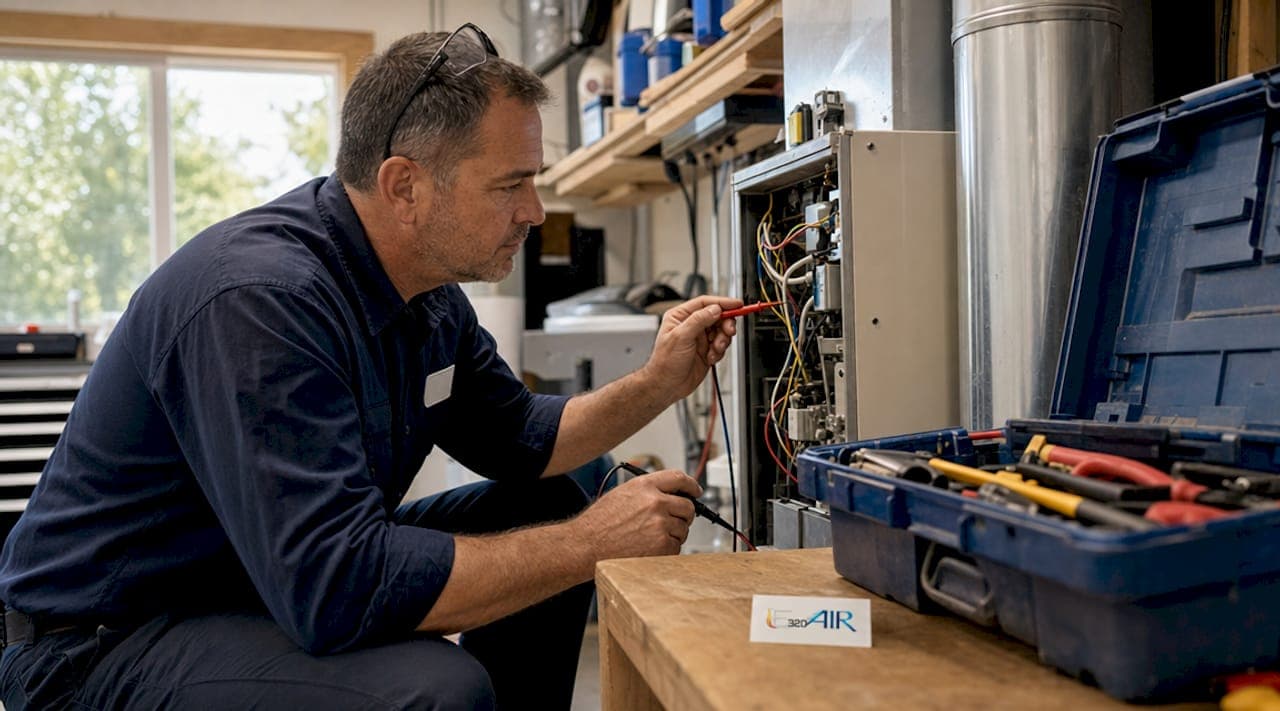
A professional HVAC inspection follows a structured sequence. Inspectors verify combustion safety, electrical connections, refrigerant levels, airflow, duct integrity, thermostats, and drainage to prevent failures and keep performance at its best. Knowing this sequence helps you follow along and ask the right questions.
Here is the typical order of evaluation:
- Visual system assessment. The inspector examines the furnace, air handler, condenser, and heat pump for physical damage, rust, or signs of wear.
- Electrical checks. Wiring, capacitors, contactors, and disconnect boxes are tested for safe voltage and amperage. Loose connections are a leading cause of system failure.
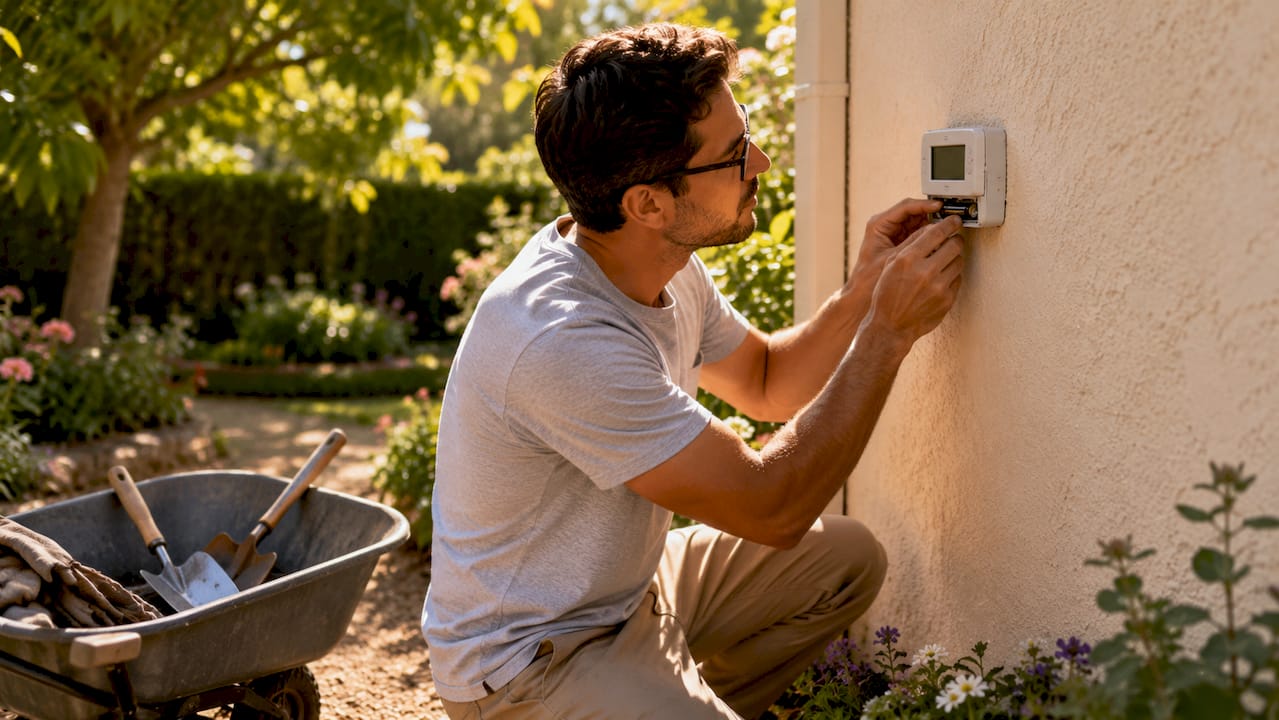
- Thermostat calibration. The inspector confirms the thermostat reads accurately and communicates correctly with the system. A thermostat that reads two degrees off wastes energy every single day.
- Combustion safety test. For gas furnaces, the inspector checks heat exchangers for cracks and measures flue gas output. A cracked heat exchanger is a carbon monoxide risk.
- Refrigerant level check. Low refrigerant signals a leak. Inspectors measure pressures against manufacturer specs and note any discrepancy.
- Airflow and ductwork review. Airflow is measured at supply and return registers. Duct connections are checked for gaps, disconnections, or visible damage.
- Drainage inspection. Condensate drain lines are checked for clogs that cause water damage and mold growth.
| Inspection Step | What Is Checked | Why It Matters |
|---|---|---|
| Electrical system | Wiring, capacitors, contactors | Prevents fire and system failure |
| Combustion safety | Heat exchanger, flue gases | Eliminates carbon monoxide risk |
| Refrigerant levels | System pressures vs. specs | Confirms no active refrigerant leak |
| Ductwork integrity | Leaks, gaps, disconnections | Protects efficiency and air quality |
| Drainage | Condensate lines and pans | Prevents water damage and mold |
Pro Tip: Ask the inspector to walk you through each finding in real time. You will learn more about your system in 90 minutes than you would from any manual, and you will know exactly what to prioritize for repairs.
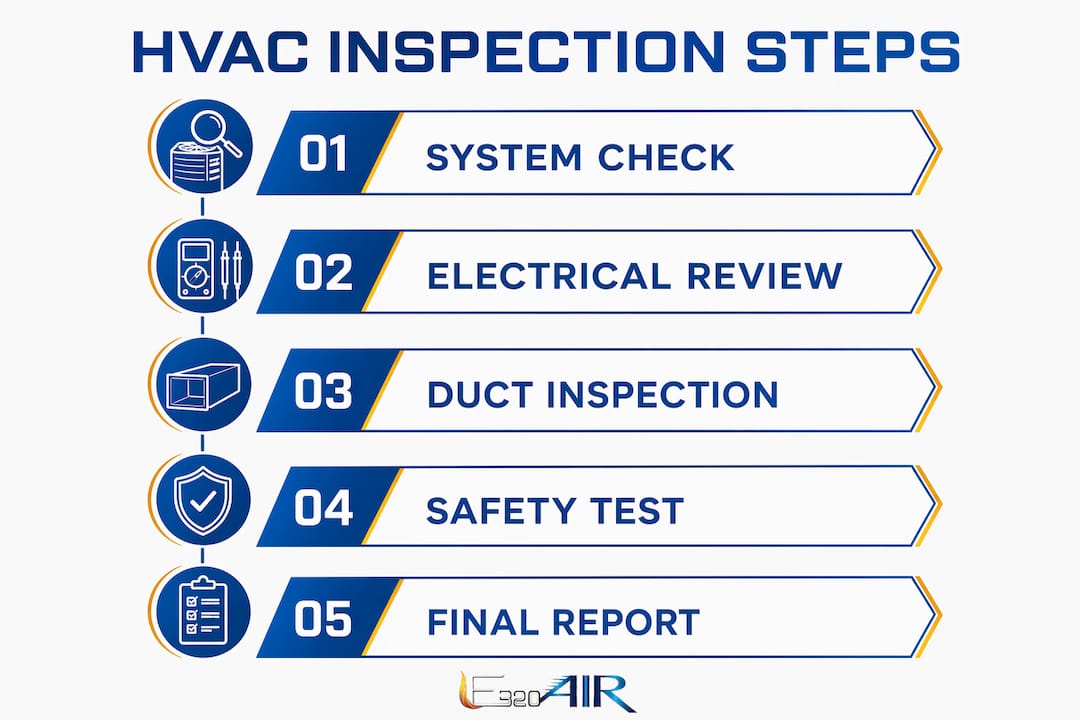
Professionals recommend annual inspections for single-function systems and twice-yearly inspections, in spring and fall, for combined heating and cooling systems. Following that schedule is the single most reliable way to catch problems before they become expensive failures.
What are the most common HVAC inspection issues?
Most inspection findings fall into four categories. Recognizing them early means lower repair costs and fewer emergency calls.
- Duct leakage. Leaky ducts push conditioned air into attics and crawlspaces instead of living areas. Signs of duct problems include visible dust at registers, musty odors, uneven airflow, and energy bill spikes. If two rooms in your home never reach the set temperature, duct leakage is the most likely cause.
- Electrical faults. Loose wiring, failed capacitors, and corroded contactors are common in systems older than ten years. These faults cause hard starts, tripped breakers, and compressor damage if left unaddressed.
- Thermostat malfunctions. A thermostat that short-cycles the system or reads temperatures inaccurately drives up energy use without improving comfort. Replacing a faulty thermostat is one of the lowest-cost, highest-impact repairs available.
- Combustion hazards. Cracked heat exchangers and blocked flue vents are the most serious findings in any gas system inspection. Both create carbon monoxide exposure risk. If an inspector flags either issue, treat it as an emergency repair, not a deferred item.
- Drainage clogs. Algae and debris block condensate lines in California's warmer climates. A blocked drain line can shut down the entire system through a safety float switch. Flushing the line annually prevents this entirely.
When an inspector identifies any of these issues, the next step is a qualified HVAC repair professional who can assess severity and provide a written repair estimate. Do not attempt electrical or combustion repairs yourself.
Complete guide to ductwork inspection and maintenance
Ductwork is the circulatory system of your HVAC setup, and it is the component most homeowners overlook. Per ASHRAE 90.1, maximum acceptable duct leakage is 4 CFM at 25 Pa per 100 square feet. Leakage exceeding 10% requires professional sealing and repair. Most California homes built before 2000 exceed that threshold.
Inspectors use specific tools to evaluate duct condition:
| Tool | Purpose |
|---|---|
| Duct blaster (pressurization fan) | Measures total system leakage rate |
| Borescope camera | Inspects interior duct surfaces for mold, debris, or damage |
| Airflow meter (anemometer) | Measures supply and return airflow at registers |
| Smoke pencil | Identifies localized leaks at joints and connections |
Signs that your ducts need repair or sealing include rooms that never reach the thermostat setting, visible gaps at duct joints in the attic, and a system that runs longer than expected to condition the space. Mastic sealant and metal-backed tape are the two professional-grade materials used for sealing. Standard gray duct tape fails within two years and is not code-compliant in California.
Duct cleaning is recommended every 3–5 years, but that schedule should be adjusted for homes with pets, smokers, allergy sufferers, or recent renovations. Post-renovation cleaning is especially important because construction dust and debris contaminate duct interiors quickly. For guidance on repairing ductwork to improve indoor air quality, the repair process involves more than sealing visible gaps.
Pro Tip: Before scheduling a duct cleaning, ask the company whether they use a negative-pressure vacuum system with HEPA filtration. Any method that does not contain debris at the source redistributes contaminants into your living space.
Properly performed HVAC inspections protect equipment lifespan and occupant safety by confirming compliance with technical safety and performance standards. SMACNA, the Sheet Metal and Air Conditioning Contractors' National Association, publishes the industry's primary inspection guide for duct systems. California contractors reference SMACNA standards alongside Title 24 when evaluating duct installations.
For California homeowners planning a full system review, understanding HVAC service costs in 2026 helps set realistic budget expectations before the inspector arrives.
Key takeaways
A complete HVAC inspection is the most cost-effective way to protect your system, your air quality, and your compliance with California codes.
| Point | Details |
|---|---|
| Prepare documentation first | Gather maintenance records and equipment manuals before the inspector arrives to avoid delays. |
| Follow the right inspection schedule | Inspect single systems annually and combined systems twice yearly, in spring and fall. |
| Duct leakage is the top efficiency killer | Leakage above 10% requires professional sealing per ASHRAE 90.1 standards. |
| Combustion faults are emergencies | A cracked heat exchanger or blocked flue requires immediate repair, not deferred action. |
| Adjust duct cleaning frequency | Homes with pets, smokers, or recent renovations need cleaning more often than the standard 3–5 year interval. |
What i've learned after years of HVAC inspections in california
Most homeowners treat HVAC inspections as a formality. That is the most expensive mistake I see. The inspections that uncover the most problems are almost always the ones that were overdue by two or three years.
California's climate creates a specific challenge. In the Inland Empire and Central Valley, systems run hard for eight months of the year. That workload accelerates wear on capacitors, contactors, and duct seals faster than the national average. An inspection schedule designed for a mild-climate home will leave a Riverside or Fresno homeowner behind.
The other mistake I see constantly is skipping ductwork. Homeowners focus on the equipment and ignore the delivery system. A perfectly maintained furnace connected to leaky ducts still wastes 20–30% of its output. You cannot fix efficiency without addressing both.
My strongest recommendation: choose an inspector who carries NATE certification (North American Technician Excellence). NATE-certified technicians have passed independent competency exams. That credential is the clearest signal that the person evaluating your system actually knows what they are looking at. Ask for it before you book.
— Edward
Schedule your HVAC inspection with E320air
E320air provides professional HVAC inspections, maintenance, and installations for California homeowners. The team understands California Title 24 requirements, local permit processes, and the specific demands that the state's climate places on residential systems.

Whether your system is overdue for its annual checkup or you have noticed warning signs like uneven airflow or rising energy bills, E320air's technicians deliver a thorough evaluation and a clear written report. Visit E320air to schedule your inspection or learn more about available service plans. For homeowners considering a system upgrade after their inspection, E320air also handles HVAC installations with full permit management included.
FAQ
What is an HVAC inspection checklist?
An HVAC inspection checklist is a structured list of system components that a technician evaluates during a professional visit, covering electrical connections, refrigerant levels, combustion safety, airflow, ductwork, thermostats, and drainage. It serves as both a quality control tool and a compliance record.
How often should a california homeowner schedule an inspection?
Single-function systems need one inspection per year. Combined heating and cooling systems should be inspected twice yearly, in spring before cooling season and in fall before heating season.
How much does an HVAC inspection cost in california?
A standard inspection costs between $75–$200 per visit. Annual service plans covering both heating and cooling typically range from $150–$300 and often include priority scheduling and discounted repair rates.
What are the signs my ducts need inspection?
Visible dust buildup at registers, musty odors from vents, rooms that won't reach the set temperature, and unexplained increases in your energy bill all point to duct problems that warrant a professional evaluation.
Do i need a permit for an HVAC inspection in california?
Routine maintenance inspections do not require a permit. Inspections tied to new installations, system replacements, or major repairs do require permits under the California Mechanical Code, and your contractor is responsible for pulling them before work begins.