
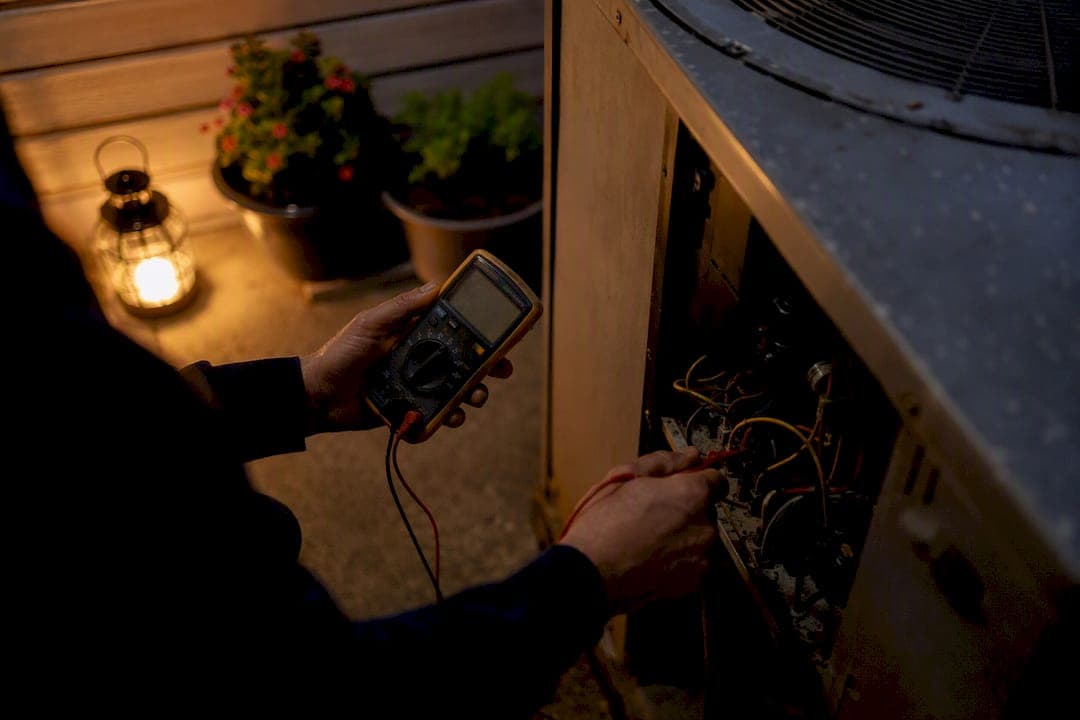
Emergency AC repair typically costs within a range for minor fixes and a higher range for major failures like a compressor or coil replacement, with after-hours calls adding a surcharge on top of standard labor. Call immediately only if you smell burning, suspect a gas or electrical hazard, or have an infant, elderly person, or someone with a health condition at risk in extreme heat. Everything else can usually wait until morning rates apply.
TL;DR:
- Emergency AC repairs tend to be more expensive during late-night hours, with labor rates and parts sourcing surcharges significantly increasing costs.
- Genuine emergencies involve immediate danger, such as burning smells, water flooding, gas leaks, or dangerously high indoor temperatures, while comfort issues can usually wait for regular hours.
- Common emergency repair costs range from $150–$350 for minor issues to $1,200–$3,500 for major failures like compressor or coil replacement, with regional and timing factors heavily influencing prices.
- Repair or replacement decisions should consider system age, repair costs relative to full system price, and refrigerant type, especially on older R-22 systems where refrigerant costs are higher.
- Preventative maintenance, such as seasonal tune-ups, regular filter changes, and verifying warranties, can significantly lower the risk and cost of emergency AC repairs.
Table of Contents
- How Much Does Emergency AC Repair Cost?
- Is This Actually an AC Emergency?
- What Drives Emergency AC Repair Pricing?
- What Does Each Repair Typically Cost?
- Does Where and When You Call Change the Price?
- Should You Repair or Replace During an Emergency?
- How Can You Lower Your Emergency AC Repair Costs?
- What Happens During an Emergency AC Call?
- What Pricing Transparency Should Look Like
- Ready for Fast, Transparent Emergency AC Service?
- Sources
How Much Does Emergency AC Repair Cost?
The range depends almost entirely on which component failed and whether the fix requires a part on the truck or a special order. Break it into three tiers and your quote will make a lot more sense.
Minor emergencies usually cost a moderate amount in most cases. This bucket covers a blown capacitor, a tripped breaker that keeps tripping, a stuck contactor, or a thermostat that's lost communication with the system. These are quick fixes, usually under an hour of labor, but the after-hours dispatch fee eats a big chunk of that total.
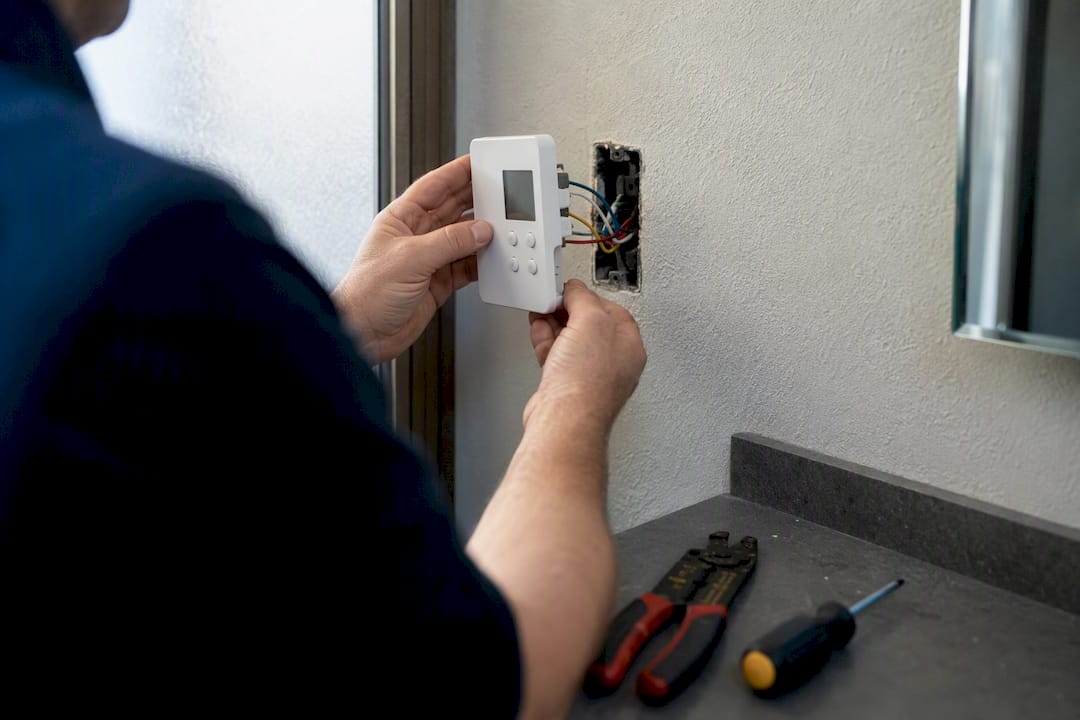
Mid-range emergencies cost more than minor ones but less than major failures. Think fan motor replacement, a blower motor that's seized, or a refrigerant leak that needs to be located and patched. These jobs take longer, sometimes require a second visit if a part isn't in the van, and often involve refrigerant recovery and recharge on top of the repair itself.
Major emergencies are the most expensive common repairs and sometimes cost much more. Compressor failure, evaporator coil damage, or electrical control board burnout fall here. National pricing surveys put major emergency repair and replacement work in this range consistently, and it's the tier where the conversation about repair versus replacement usually starts.
Why does the same repair cost more at 11 PM than at 11 AM? Three things stack on top of each other: the diagnostic fee is higher, the labor rate jumps, and parts sourced outside business hours sometimes carry a rush premium. A capacitor swap that costs $150 on a Tuesday afternoon can run $350 at midnight on a Saturday, not because the part changed, but because everything around it did.
- Minor (capacitor, thermostat, breaker): moderate cost range
- Mid-range (fan motor, refrigerant leak repair): higher cost range
- Major (compressor, coil): highest common repair cost range
- Full system replacement threshold: often considered when repair estimates are notably high on an aging unit
Emergency repair spending in context: Industry cost guides show minor after-hours totals clustering around $300 to $700, while major failures involving compressors or coils regularly reach $1,200 to $3,500 once labor premiums and parts are added in.
Is This Actually an AC Emergency?
Not every AC breakdown at 9 PM deserves an emergency service call, and knowing the difference can save you real money. One industry estimate suggests roughly 30% of calls labeled "emergency" could have safely waited for regular business hours, which means a lot of homeowners are paying premium rates for problems that weren't actually urgent.
Genuine emergencies share a common thread: something is actively dangerous, not just uncomfortable.
- A burning smell, sparking, or scorched wiring near the unit or thermostat
- Any suspicion of a gas leak or carbon monoxide issue tied to a combined HVAC system
- Water actively flooding from the unit near electrical panels or finished living space
- An infant, elderly resident, or someone with a heat-sensitive medical condition in a home where indoor temperatures are climbing past 85°F
- A complete system failure during a heat advisory with no working alternative cooling
Comfort-only problems usually can wait. A system that's cooling unevenly, running louder than usual, or blowing slightly warm air on a mild evening isn't putting anyone in danger. If it's 78°F inside and dropping outside overnight, you can typically hold off and book a standard appointment in the morning, saving yourself the after-hours premium entirely.
Pro Tip: Before you call, check the thermostat battery and the breaker panel. A dead thermostat display or a tripped breaker looks exactly like a "system failure" but costs nothing to fix yourself.
What Drives Emergency AC Repair Pricing?
Every emergency quote is built from the same handful of ingredients, and understanding them helps you spot a fair price from an inflated one.
The diagnostic or trip fee is what you pay for the technician to show up and identify the problem, regardless of whether a repair happens that visit. Standard daytime diagnostic fees usually fall between $75 and $150. Emergency and after-hours diagnostic fees commonly run $125 to $250, according to national pricing data, and most contractors apply this fee toward the repair cost if you move forward.
Labor rates shift dramatically once the sun goes down. Standard hourly labor typically runs $75 to $150. Emergency labor rates climb to $160–$250 per hour, which is the single biggest reason an emergency invoice looks so different from a scheduled one for the exact same repair.
Parts and refrigerant add another layer of variation. A capacitor is cheap and universally stocked. A specific control board for a ten-year-old unit might need a rush order, and that markup lands on your bill. Refrigerant type matters enormously here: R-22 refrigerant can cost $100 to $250 per pound because it's been phased out of production, while R-410A typically runs $50 to $80 per pound. If your system still runs on R-22, a leak repair alone can cost hundreds more than the identical job on a newer R-410A system.
Access and logistics round out the picture. A rooftop unit, a condenser buried behind landscaping, or a system in a cramped attic adds labor time. Some jurisdictions also require permits for major component swaps, and refrigerant recovery and disposal fees apply anytime old refrigerant has to be removed under EPA handling rules.
- Diagnostic/trip fee: $75–$150 standard, $125–$250 emergency
- Labor: $75–$150/hour standard, $160–$250/hour emergency
- Parts markup: varies by part availability and rush sourcing
- Refrigerant: R-410A $50–$80/lb vs. R-22 $100–$250/lb
- Access/permit/disposal fees: added when applicable
Pro Tip: Ask upfront whether the diagnostic fee gets credited toward the repair. Reputable contractors apply it; some outfits charge it as a separate, non-refundable stop.
What Does Each Repair Typically Cost?
Component-level pricing helps you sanity-check a quote before a technician even finishes the diagnostic. Here's how the most common emergency repairs typically break down.
| Repair | Typical Emergency Cost | Notes |
|---|---|---|
| Capacitor | $150–$350 | Fast fix, often done same visit |
| Contactor/relay | $150–$350 | Similar labor time to capacitor |
| Thermostat | $150–$350 | Cost rises with smart thermostat models |
| Fan or blower motor | $350–$700 | Longer labor, sometimes needs part order |
| Refrigerant leak detection/repair | $300–$1,000 | Price scales with leak location and refrigerant type |
| Evaporator coil replacement | $1,200–$3,500 | Often triggers replacement conversation on older units |
| Compressor replacement | $1,200–$3,500 | Higher end in emergency service vs. standard scheduling |
These figures reflect component-level ranges from national repair-cost surveys, with emergency service calls typically landing at the higher end of standard ranges once after-hours labor is factored in.
A few patterns are worth knowing before you get a quote. Capacitors, contactors, and thermostats are the bread-and-butter emergency calls, and most licensed technicians carry these parts on the truck, so you're rarely looking at a second visit. Fan motors and blower motors vary by brand and horsepower, and a less common motor size can mean a follow-up appointment if it isn't stocked locally.
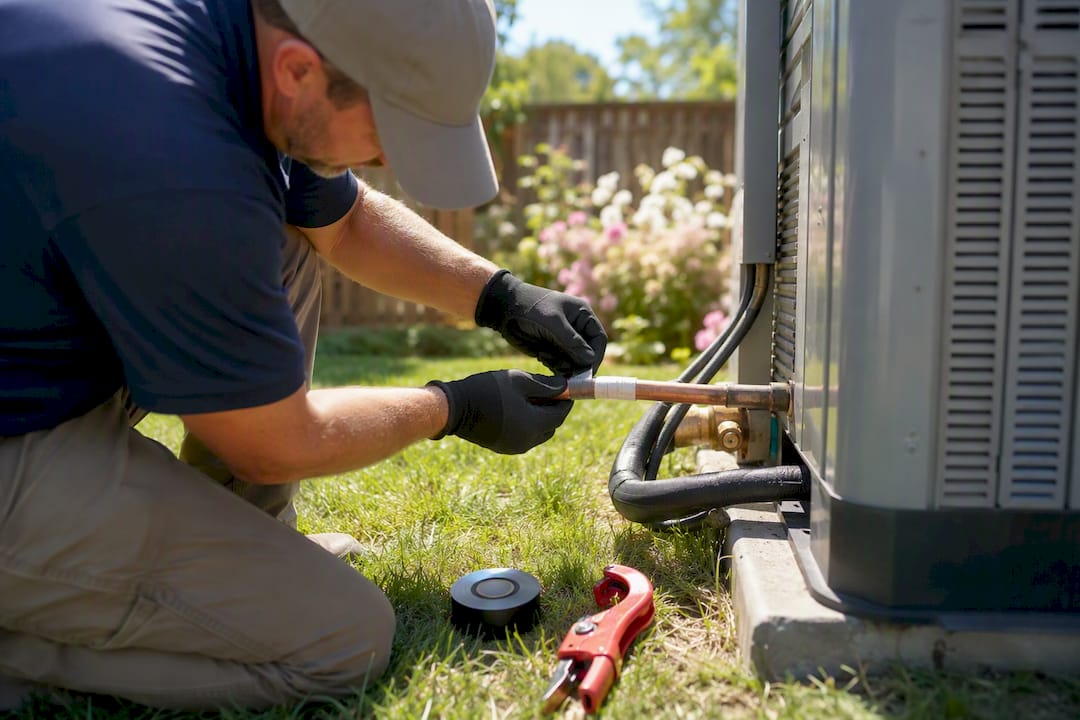
Refrigerant leaks are trickier because the price depends on where the leak is, not just that it exists. A leak at an easily accessible fitting is a quick patch. A leak inside the evaporator coil itself usually means replacing the coil rather than repairing it, which pushes the job into four figures fast.
Compressor and coil failures are the two repairs most likely to trigger a replace-versus-repair conversation, especially on units past the ten-year mark, because the parts alone can approach half the cost of a new outdoor unit.
Does Where and When You Call Change the Price?
Timing and location move emergency AC pricing more than most homeowners expect, and the swings can be significant.
Peak summer heat waves create genuine supply and demand pressure. When temperatures spike across a region simultaneously, every HVAC contractor's phone rings at once, technicians get booked solid, and parts suppliers see a run on common components. Industry reporting shows demand surges during heat waves can push emergency rates up 20% to 50% above baseline, and response times stretch from hours to a full day in the worst stretches.
Time of day and day of week matter independently of season. Calling at 2 PM on a Tuesday costs less than calling at 2 AM on a Saturday, even in identical weather. Holiday calls, particularly around the Fourth of July when much of the country is also hitting its hottest stretch, tend to carry the steepest surcharges of the year.
Region shapes the baseline before any surcharge gets applied.
- Coastal and major metro markets (parts of California, the Northeast corridor, South Florida) tend to run higher on both labor rates and diagnostic fees
- Midwest and inland markets generally see lower baseline labor rates, though summer demand spikes still apply
- Rural areas sometimes pay a travel surcharge that offsets otherwise lower local labor rates
- Humid climates see more refrigerant-related service calls, which shifts the average repair mix toward higher-cost categories
If your AC dies during a heat advisory in July, expect both a longer wait and a higher rate than the exact same failure in early June.
Should You Repair or Replace During an Emergency?
Age is the first variable to weigh. A system past the ten-year mark that needs a major component like a compressor or coil is a much weaker repair candidate than a five-year-old unit with the same failure, simply because the rest of the equipment is also approaching the end of its service life.
The most useful heuristic in the industry is a simple ratio: if a single repair, or the sum of recent repairs, starts approaching a large share of what full replacement would cost, replacement usually wins financially. Industry price guides commonly cite repairs nearing $5,000, or repeated failures within a short span, as the trigger point for that conversation. A compressor replacement quoted at $2,800 on a twelve-year-old system that already needed a coil repair last year is a candidate for replacement, not another patch.
Refrigerant type accelerates that math for older systems specifically. A compressor failure on a system still running R-22 doesn't just cost the compressor. It often requires recovering and replacing the refrigerant charge too, and at $100 to $250 per pound for R-22, that alone can push a repair estimate uncomfortably close to replacement cost. Technicians often recommend replacement when compressor repair and refrigerant costs constitute a sizable fraction of a new system's price.
The math that matters: on an older R-22 system, a compressor repair plus refrigerant recharge can land within striking distance of half the cost of a full replacement, at which point most contractors will tell you straight: replacement is the better dollar-for-dollar decision.
- Older than 10 years + major component failure: lean toward replacement
- Repeated repairs within 12 months: lean toward replacement
- Repair estimate approaching $5,000: strong replacement signal
- Still running R-22: replacement urgency increases due to refrigerant scarcity pricing
How Can You Lower Your Emergency AC Repair Costs?
The cheapest emergency repair is the one you never need. A handful of habits meaningfully cut your odds of a 2 AM breakdown.
- Schedule a seasonal tune-up every spring before peak heat arrives. Spring maintenance visits typically cost $75 to $200 and catch failing capacitors, dirty coils, and low refrigerant before they become 3 AM emergencies.
- Replace your air filter every one to three months. A clogged filter restricts airflow and is one of the most common causes of frozen coils and overworked compressors.
- Enroll in a maintenance or service agreement if your contractor offers one. These plans often waive or reduce the emergency diagnostic fee and prioritize existing customers during heat-wave demand spikes.
- Check your warranty status before calling anyone. Parts still under manufacturer warranty can cut a major repair bill substantially, even during an emergency dispatch.
- Before you dial for help, run through a quick safety check: flip the breaker off and back on, check the thermostat batteries and settings, and inspect the condensate line for a clog that's tripped a safety switch.
Pro Tip: Take a photo of your outdoor unit's model and serial number tag before you call. Reading it off correctly on the phone can shave real time off diagnosis and helps the technician bring the right part on the first trip.
Documenting the problem, the sounds it's making, and when it started also speeds up phone quotes and helps you compare estimates from multiple contractors on equal footing.
What Happens During an Emergency AC Call?
The standard flow runs diagnosis, then written estimate, then your authorization, then the repair. A technician arrives, isolates the failed component, and should hand you a written number, not a verbal ballpark, before touching anything beyond the initial diagnostic.
Total time from your call to a completed repair typically runs two to six hours for straightforward parts like capacitors or contactors, assuming the part is on the truck. Repairs needing an ordered part, like a specific motor or control board, can stretch to 24 to 48 hours even under emergency scheduling, with a temporary fix or loaner cooling solution sometimes offered in the meantime.
Watch for a few red flags before you authorize anything. A contractor who won't state the emergency surcharge or hourly rate over the phone is one of the clearest warning signs in the industry; reluctance to disclose pricing up front rarely means good news for your final bill. Pressure to authorize a full system replacement before a proper diagnostic is another.
Ask these questions on the first call, before a technician is dispatched:
- What is the diagnostic fee, and does it apply toward the repair?
- What is your emergency hourly rate versus your standard rate?
- Is there a flat emergency surcharge on top of labor?
- What payment methods do you accept, and do you offer financing?
Most licensed contractors accept credit cards, checks, and increasingly offer third-party financing for larger repairs or replacements, so ask about payment options before the truck arrives, not after the invoice is written. For a deeper look at how diagnostic fees get applied, E320air's guide to HVAC diagnostic checks walks through exactly what a technician checks and why it matters for your final bill.
What Pricing Transparency Should Look Like
Most of the frustration homeowners feel during an emergency call comes from not knowing the numbers until the invoice lands. E320air's approach starts with stating the diagnostic fee, the emergency surcharge, and the emergency hourly rate before a technician is dispatched, not after the truck pulls up.
That upfront structure matters most during a heat wave at midnight, when you're not in a position to shop around three contractors. A written estimate follows the diagnostic, and nothing beyond that diagnostic happens without your sign-off. It's the same standard laid out in E320air's HVAC Service Prices guide, which breaks down real pricing examples so homeowners aren't guessing at fair value in the moment.
Real repair outcomes matter more than promises. E320air's Problem Solving Gallery documents actual repair cases, from capacitor swaps to full compressor replacements, so homeowners can see what a completed job actually looks like before they authorize one of their own. Transparent pricing paired with visible proof of workmanship is what separates a contractor worth calling at 2 AM from one you're gambling on.
— Edward
Ready for Fast, Transparent Emergency AC Service?
When your AC fails at night, the last thing you need is a contractor who won't tell you what the call is going to cost until they're standing in your driveway. E320air runs 24/7 emergency response with a diagnostic fee that's disclosed upfront and applied toward your repair, not tacked on as a surprise line item.

You'll get a technician who states the emergency hourly rate before starting work, a written estimate before any repair begins, and access to the same component pricing detailed throughout this guide, whether the fix is a $150 capacitor or a full compressor replacement. If your unit needs more than a repair, E320air also handles HVAC installation for homeowners weighing replacement against another emergency repair down the road. Call E320air now to get a technician dispatched and a real number in hand before any work starts.
Sources
The cost ranges, refrigerant figures, and industry guidance in this guide draw from the following sources:
- How Much Does Emergency AC Repair Cost in the US IN 2026? - CCE l ONLINE NEWS
- Air conditioner repair cost — Thumbtack
- What is R-22? — Trane
- 2026 HVAC Repairs Cost: A Comprehensive Price Guide — Angi
These sources back the component cost ranges, refrigerant pricing differences, and the industry-standard replacement heuristics cited throughout this guide.