
TL;DR:
- Passive cooling techniques like sealing leaks and shading significantly reduce indoor heat and HVAC costs. Ductless mini-split systems offer affordable and flexible cooling options with zoning and high efficiency. Combining passive measures with smart thermostats and proper sizing maximizes comfort and minimizes energy bills.
Home cooling solutions are the methods and systems used to lower indoor temperatures and maintain comfort during hot weather, ranging from passive techniques like shading to mechanical systems like central air conditioning. The right combination depends on your home type, budget, and climate. Central AC installation costs run $4,000–$14,000, while window units start as low as $200. The Department of Energy recommends starting with passive measures before sizing any mechanical system. This home cooling solutions list covers every major option, from no-cost fixes to full HVAC installations, so you can build a plan that fits your situation.
1. What are passive cooling techniques?
Passive cooling is the practice of reducing heat gain inside a home before any mechanical system runs. It costs little to implement and cuts the load on every cooling system you add later. Sealing air leaks and managing solar heat gain significantly reduce cooling load and improve HVAC efficiency. That means your air conditioner runs less often and lasts longer.
The most effective passive methods include:
- Air sealing and weatherstripping: Close gaps around doors, windows, and electrical outlets to stop hot outdoor air from entering.
- Reflective or light-colored exterior paint: Reflects solar radiation instead of absorbing it, keeping wall surfaces cooler.
- Strategic vegetation: Planting shade trees on the south and west sides of your home blocks direct sun during peak afternoon hours.
- Window treatments: Cellular shades, blackout curtains, and exterior shutters block radiant heat before it enters the glass.
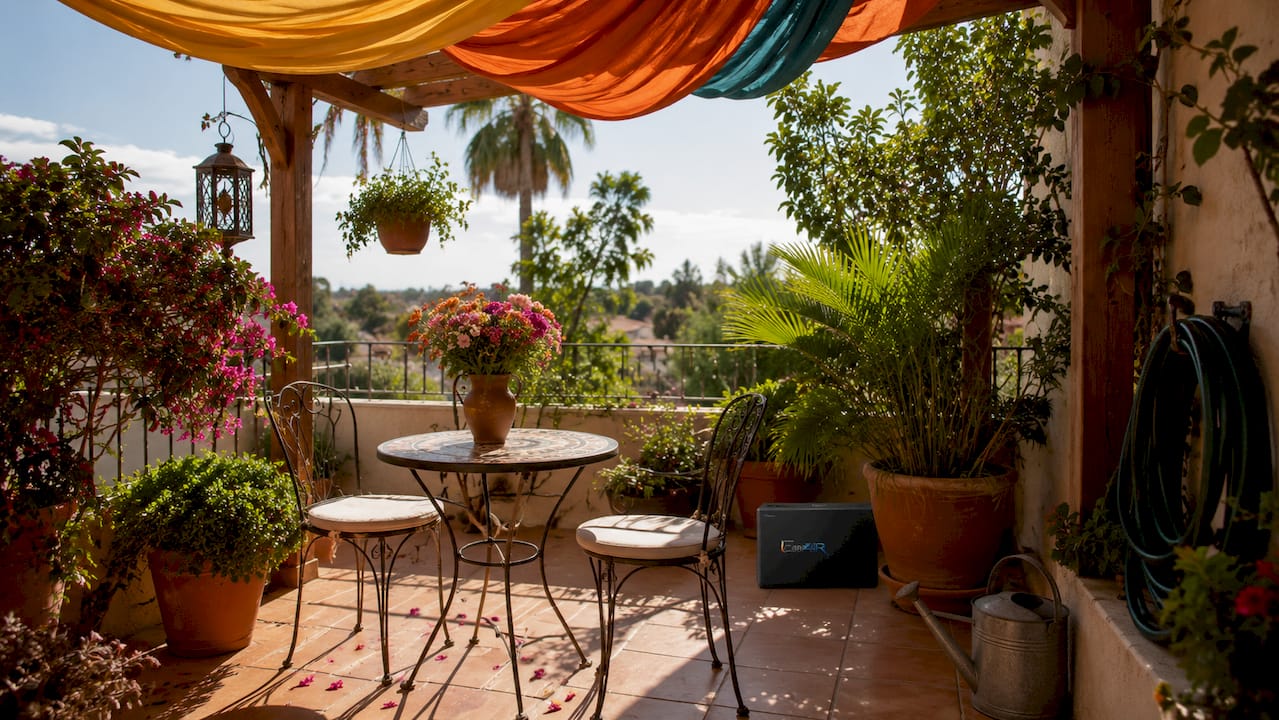
- Architectural shading: Awnings and overhangs on south-facing windows reduce solar gain without blocking daylight year-round.
Outdoor shading methods like awnings and pergolas can cut solar heat gain through windows by a meaningful margin. That reduction directly lowers the temperature your AC must overcome.
Pro Tip: Passive cooling reduces your home's cooling load before you size a new system. A smaller, correctly sized unit costs less to buy and less to run than an oversized one.
2. How do ductless mini-split systems fit into affordable cooling solutions?
A ductless mini-split system delivers conditioned air directly into individual rooms without requiring ductwork. It consists of an outdoor compressor and one or more indoor air handlers mounted on walls or ceilings. Mini-splits cost $3,000–$12,000 installed, which is less than central AC in many cases and far more flexible for homes without existing ducts.
Key advantages of mini-splits include:
- Zoning: Each indoor unit controls its own room, so you only cool occupied spaces.
- Quiet operation: Indoor units run at low decibel levels, well below most window units.
- High efficiency: Most mini-splits carry SEER ratings well above the federal minimum, which translates to lower monthly bills.
- Renter-friendly installation: Wall-mounted units require only a small hole for refrigerant lines, making them practical for renters with landlord approval.
| Feature | Mini-split | Central AC |
|---|---|---|
| Ductwork required | No | Yes |
| Zoning capability | Yes | Limited |
| Installation disruption | Low | High |
| Typical cost range | $3,000–$12,000 | $4,000–$14,000 |
Ductless mini-splits require less invasive installation, reduce energy waste through zoning, and run quietly, making them the preferred choice for homes without ducts. If you want to go deeper on how these systems work, E320air's guide on ductless mini-split systems covers the technology in plain language.
Pro Tip: Have a load calculation done before selecting a mini-split. Undersized units run constantly and wear out faster. Oversized units short-cycle and leave rooms humid.
3. What are the pros and cons of window and portable air conditioners?
Window and portable air conditioners are the most accessible entry point for renters and homeowners cooling a single room or small space. Window units install in a standard double-hung window and vent heat directly outside. Portable units sit on the floor and vent through a hose routed out a window or sliding door. Both categories fall in the $200–$900 range for purchase price, with no professional installation required for most models.
The trade-offs are real, though:
- Efficiency: Window AC units are less efficient than mini-splits, and portable units are less efficient still. Higher electricity use means higher monthly costs over a full summer.
- Noise: Portable units are the loudest option in this category. Window units are quieter but still audible during sleep.
- Cooling capacity: Both types cool one room well but struggle with open floor plans or multiple connected spaces.
- Security: A window unit creates a gap in your window frame that requires a proper security kit to address.
- Portability advantage: A portable unit moves from room to room, which suits renters who want flexibility without permanent installation.
Window and portable units make sense when you rent and cannot modify the property, when you need to cool one room on a tight budget, or when you need a temporary solution while a permanent system is being installed. They are not the right choice for whole-home cooling or for anyone prioritizing long-term energy savings.
4. How can smart thermostats and home automation enhance cooling efficiency?
A smart thermostat is the single highest-return technology upgrade for any home cooling system. It automates temperature adjustments based on your schedule, occupancy, and outdoor conditions. The Department of Energy recommends raising your thermostat setpoint by 7°F when the home is unoccupied, starting from a 75–78°F daytime base. A smart thermostat does this automatically without you remembering to adjust it.
Home automation extends those savings further:
- Automated blinds and shades: Smart window coverings close during peak sun hours and open after sunset, reducing solar heat gain without manual effort.
- Occupancy sensors: Thermostats with motion detection stop cooling empty rooms, which is especially useful in homes with variable schedules.
- Geofencing: Your phone's location triggers the system to pre-cool the home before you arrive, so comfort is waiting without wasting energy all day.
- Energy reporting: Most smart thermostats show daily and monthly usage data, which helps you spot inefficiencies and adjust habits.
Smart home technology optimizes cooling system usage and enhances passive cooling measures automatically. That combination of mechanical and passive control is where the biggest savings come from. For a detailed breakdown of how thermostats interact with your HVAC system, E320air's article on thermostat-driven HVAC efficiency is worth reading before you buy.
Pro Tip: Pair a smart thermostat with spray foam insulation for compounding results. Better insulation means the thermostat has less temperature swing to correct, so the system runs in shorter, more efficient cycles.
5. What budget-friendly cooling hacks can supplement formal systems?
Low-cost supplemental methods reduce how hard your primary cooling system works. Used correctly, they cut energy bills without requiring a major investment. Fans, evaporative coolers, attic fans, and shading provide cost-effective supplemental cooling with low energy demands, though each suits a specific climate and situation.
| Method | Best climate | Estimated cost | Key limitation |
|---|---|---|---|
| Ceiling fan | Any | $50–$300 installed | Does not lower air temperature |
| Whole-house fan | Dry, mild nights | $300–$1,500 installed | Requires cool outdoor air at night |
| Evaporative cooler | Dry, arid | $200–$700 | Ineffective in humid climates |
| Attic fan | Any | $150–$600 installed | Addresses heat buildup, not room temp |
| Reflective roofing | Any | Varies | Long-term investment, not immediate |
Ceiling fans create a wind-chill effect that makes a room feel up to 4°F cooler without actually changing the air temperature. That means you can raise your thermostat setpoint and still feel comfortable. Evaporative coolers, sometimes called swamp coolers, work by passing air over water-saturated pads. They are highly effective in desert climates like Arizona or inland California but lose effectiveness when humidity rises above 50%. Attic fans pull hot air out of the attic space, which prevents that heat from radiating down through your ceiling into living areas.
Combining two or three of these methods with a properly sized mechanical system is the most cost-effective approach for most homeowners. Passive cooling combined with mechanical systems best addresses affordable and sustainable cooling needs as temperatures rise. Start with fans and shading, then size your AC to the reduced load.
6. Central air conditioning: when it is the right choice
Central air conditioning is the most effective option for cooling an entire home consistently. It uses a network of ducts to distribute conditioned air to every room from a single outdoor unit and indoor air handler. Installation costs range from $4,000 to $14,000 depending on home size, existing ductwork condition, and equipment efficiency rating.
Central AC makes the most sense when your home already has ductwork in good condition, when you need consistent whole-home cooling, and when you plan to stay in the property long enough to recover the installation cost through energy savings. Homes with leaky or uninsulated ducts lose a significant portion of cooled air before it reaches living spaces. Sealing and insulating ducts before installing a new system is not optional. It is the difference between a system that performs as rated and one that runs constantly without reaching your setpoint. E320air's resource on best HVAC system types compares central AC with other options in more detail.
Oversized AC units are a common and costly mistake. Oversized units result from ignoring passive cooling and weatherization, causing short-cycling, uneven temperatures, and excess humidity. Always get a Manual J load calculation before purchasing a new central system.
Key takeaways
The most effective home cooling strategy combines passive measures, correctly sized mechanical systems, and smart controls to maximize comfort while minimizing energy costs.
| Point | Details |
|---|---|
| Start with passive cooling | Seal air leaks and add shading before sizing any mechanical system. |
| Match system to home type | Mini-splits suit ductless homes; central AC suits homes with existing ductwork. |
| Use smart thermostats | Raising setpoint by 7°F when unoccupied cuts cooling costs without sacrificing comfort. |
| Supplement with low-cost methods | Ceiling fans, attic fans, and evaporative coolers reduce mechanical system load. |
| Avoid oversizing | Always get a load calculation to prevent short-cycling and humidity problems. |
What I've learned after years of cooling homes in hot climates
Most homeowners I work with come in asking for the biggest AC unit they can afford. That instinct is understandable. When your house is 90°F inside, you want maximum power. But oversizing is one of the most expensive mistakes in home cooling, and it is almost always caused by skipping the passive work first.
The homes that stay coolest and have the lowest utility bills are not the ones with the largest systems. They are the ones where someone took the time to seal the building envelope, add window shading, and set the thermostat correctly before the mechanical system ever turned on. A well-sealed home with a correctly sized mini-split will outperform a leaky home with a massive central unit every single time.
Smart thermostats changed the conversation for a lot of my clients. Once they see the usage data, they start making small adjustments that add up to real savings over a summer. Pairing that data with good insulation and shading creates a feedback loop where the system runs less, lasts longer, and costs less to maintain.
My advice: treat cooling as a system, not a single product. Passive first, right-sized mechanical second, smart controls third. That sequence produces the best results for the widest range of budgets and home types.
— Edward
E320air's approach to home cooling that actually works
Choosing the right cooling system is easier when you have a contractor who sizes equipment correctly and knows your local climate. E320air handles HVAC installation, maintenance, and repairs for homeowners and renters across hot-climate regions.
Whether you need a new HVAC installation or want to see real-world cooling solutions in action, E320air's problem-solving gallery shows how different systems perform in actual homes. The team at E320air can assess your home's cooling load, recommend the right system size, and handle the full installation. Contact E320air for a personalized cooling assessment before the next heat season arrives.
FAQ
What is the most energy-efficient home cooling system?
Ductless mini-split systems with high SEER ratings are the most energy-efficient option for most homes. They eliminate duct losses and allow room-by-room temperature control.
How much does it cost to install a home cooling system?
Central AC runs $4,000–$14,000 installed, mini-splits cost $3,000–$12,000, and window or portable units range from $200–$900 with no professional installation required.
Can I cool my home without air conditioning?
Passive methods like sealing air leaks, adding window shading, and using ceiling fans reduce indoor temperatures meaningfully. Evaporative coolers work well in dry climates as a low-cost alternative.
What thermostat setting saves the most energy?
The Department of Energy recommends setting your thermostat to 75–78°F when home and raising it by 7°F when the house is empty. A smart thermostat automates this adjustment.
Are mini-splits a good option for renters?
Mini-splits are a strong option for renters because installation requires only a small wall penetration and no ductwork. Landlord approval is typically needed, but the installation is far less disruptive than central AC.