
TL;DR:
- California's 2026 standards require compliant equipment, precise design, and verified duct performance.
- Proper load calculations and duct sealing are crucial for system efficiency and rebate eligibility.
- Heat pumps are prioritized, but high-efficiency gas furnaces remain a viable option for replacements.
Many Inland Empire homeowners assume that replacing a failing AC or furnace is as simple as picking a new unit and scheduling install. But since January 1, 2026, California's updated Building Energy Efficiency Standards (Title 24, Part 6) changed what equipment is legal to install, how it must be sized, and how your ducts must perform. Miss these rules and your installation could fail inspection, void rebates, or leave you with sky-high energy bills despite spending thousands on new equipment.
Table of Contents
- What are the 2026 HVAC efficiency standards for Inland Empire homes?
- Key design and installation compliance steps
- Heat pumps, furnaces, and the big shift: Which is best for you?
- Maximizing savings: Ducts, sizing, and common pitfalls
- Our perspective: The real secret to unlocking HVAC savings in 2026
- Get expert HVAC upgrades for lasting savings
- Frequently asked questions
Key Takeaways
| Point | Details |
|---|---|
| 2026 code is mandatory | All new HVAC systems installed in the Inland Empire must meet Title 24 efficiency and refrigerant rules from January 2026 onward. |
| Proper sizing and ductwork | Manual J load calculations, tight ducts, and correct install are required to pass inspection and maximize comfort. |
| Heat pump incentives | Rebates and energy savings make high-efficiency heat pumps especially attractive in the hot Inland Empire climate. |
| Don’t skip quality install | Even the best HVAC unit wastes money if it’s poorly sized or sloppily installed. |
What are the 2026 HVAC efficiency standards for Inland Empire homes?
California's Title 24, Part 6 now governs all HVAC installations, replacements, and major alterations in residential buildings. This isn't just a paperwork update. It sets hard minimums on equipment efficiency, duct performance, and refrigerant type. If your contractor ignores any piece of it, your permit won't pass final inspection.
Three layers of rules now apply to Inland Empire homeowners:
- Title 24, Part 6: California's energy code covering HVAC design, sizing, and duct performance.
- Title 20 and DOE minimums: Federal and state rules setting minimum efficiency ratings for split systems, heat pumps, and gas furnaces.
- Refrigerant changes: New installations after 2025 must use low-GWP refrigerants such as R-454B, phasing out older high-emissions options.
The Inland Empire sits primarily in Climate Zones 9 and 10, where summer temperatures regularly exceed 100°F. This means the region faces some of the strictest cooling efficiency requirements in the state.
| Equipment type | Minimum standard | Climate zone note |
|---|---|---|
| Central AC (split system) | 15.2 SEER2 | Zones 9-10 require higher cooling capacity |
| Heat pump (split system) | 15.2 SEER2 / 8.1 HSPF2 | Preferred under Title 24 for new builds |
| Gas furnace | 80% AFUE (some zones 92%) | Varies by local climate designation |
| Refrigerant | R-454B or equivalent low-GWP | Mandatory for all new installs |
Pro Tip: Before buying any unit, confirm the model number is listed on the AHRI directory as compliant with both SEER2 and the new refrigerant requirements. A unit that passed California code in 2024 may not qualify in 2026.
For a broader look at your options, explore the best HVAC replacement options available for California homeowners, and get a deeper breakdown of 2026 HVAC rules for Inland Empire specific situations.
Key design and installation compliance steps
Knowing what efficiency rating to buy is only part of the job. The bigger challenge is making sure your system is designed and installed correctly so it actually delivers the performance on paper. The 2026 rules require a series of engineering calculations that many rushed contractors skip.
Here are the required steps under California's updated standards:
- Manual J load calculation: Your installer must calculate exactly how much heating and cooling your home needs based on square footage, insulation, window area, and local climate data.
- Manual S equipment selection: Once the load is known, the contractor selects equipment that matches it precisely, not the next size up "just to be safe."
- Manual D duct design: Duct layout, sizes, and lengths must be calculated to deliver the right airflow to every room.
- Duct leakage testing: New or altered ducts must meet ≤5% duct leakage verified by a HERS rater in most cases.
"A system designed without Manual J is like building a house without a blueprint. Everything looks fine until summer hits and the upstairs never cools down." — Common lesson learned by Inland Empire homeowners every season.
Oversizing is one of the most damaging mistakes in this region. A unit that's too large short-cycles, meaning it turns on and off rapidly without completing a full cooling cycle. This raises humidity, creates hot and cold spots, and adds wear to the compressor. It also costs more to run. Following proper HVAC sizing protocols protects your investment.
For tweaks like replacing a single component without changing the duct system, you may avoid the full compliance process. But any work that alters duct layout or replaces the air handler typically triggers Title 24 compliance steps in full. And poor duct work doesn't just hurt efficiency. It affects your indoor air quality too.
Pro Tip: Ask your contractor to hand you the completed Manual J, Manual S, and Manual D reports before work starts. If they can't produce them, that's a red flag.
Heat pumps, furnaces, and the big shift: Which is best for you?
With the compliance process clear, the next decision is which equipment actually fits your home, budget, and long-term goals. This is where homeowners have the most options, and the most confusion.
Title 24 prioritizes heat pumps for new construction, but efficient gas furnaces are still a legal option for replacements in existing homes. Here's how to think through the choice:
Heat pump advantages:
- Handles both heating and cooling with one system.
- Qualifies for the largest rebates under programs like TECH Clean CA.
- 17+ SEER2 models deliver 20 to 30% lower annual energy use versus older systems.
- Reduces carbon emissions, which matters for future resale value.
When a gas furnace still makes sense:
- Upfront budget is tight and your existing gas infrastructure is solid.
- Your home is in a climate zone where heating load is occasionally high.
- You're doing a partial replacement and a full system change isn't practical.
| Factor | Heat pump (17+ SEER2) | High-efficiency gas furnace |
|---|---|---|
| Upfront cost | $5,000 to $12,000+ | $3,000 to $7,000 |
| Rebates available | Up to $3,000+ (TECH Clean CA) | Limited |
| Annual energy savings | 20 to 30% | 10 to 15% |
| Best for | Long-term ownership, new builds | Budget-focused replacements |
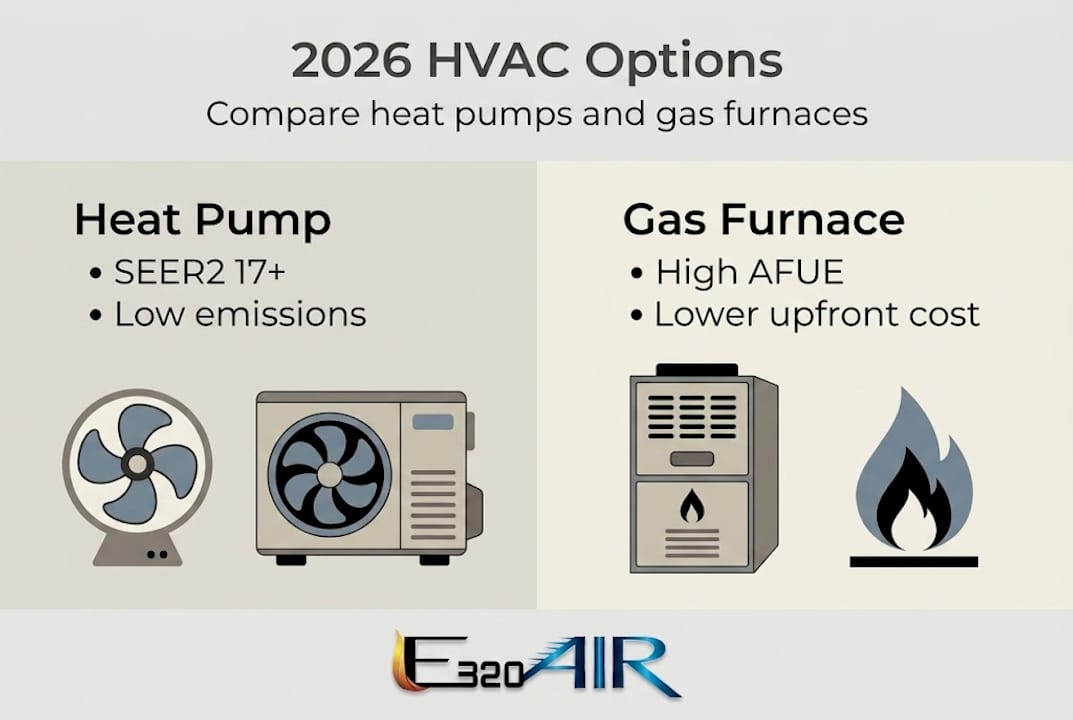
Common homeowner concerns about heat pumps include noise and winter performance. Modern inverter-driven heat pumps operate very quietly and handle Inland Empire winters without issue, since temperatures rarely drop below 30°F in most of the region. Grid reliability is worth watching, but a well-sized system with a smart thermostat handles most scenarios easily. Explore your heat pump vs. furnace options in more detail before making a final call.
Maximizing savings: Ducts, sizing, and common pitfalls
Even the best equipment fails if installation details are ignored. This is where most homeowners quietly lose the savings they expected from their upgrade.
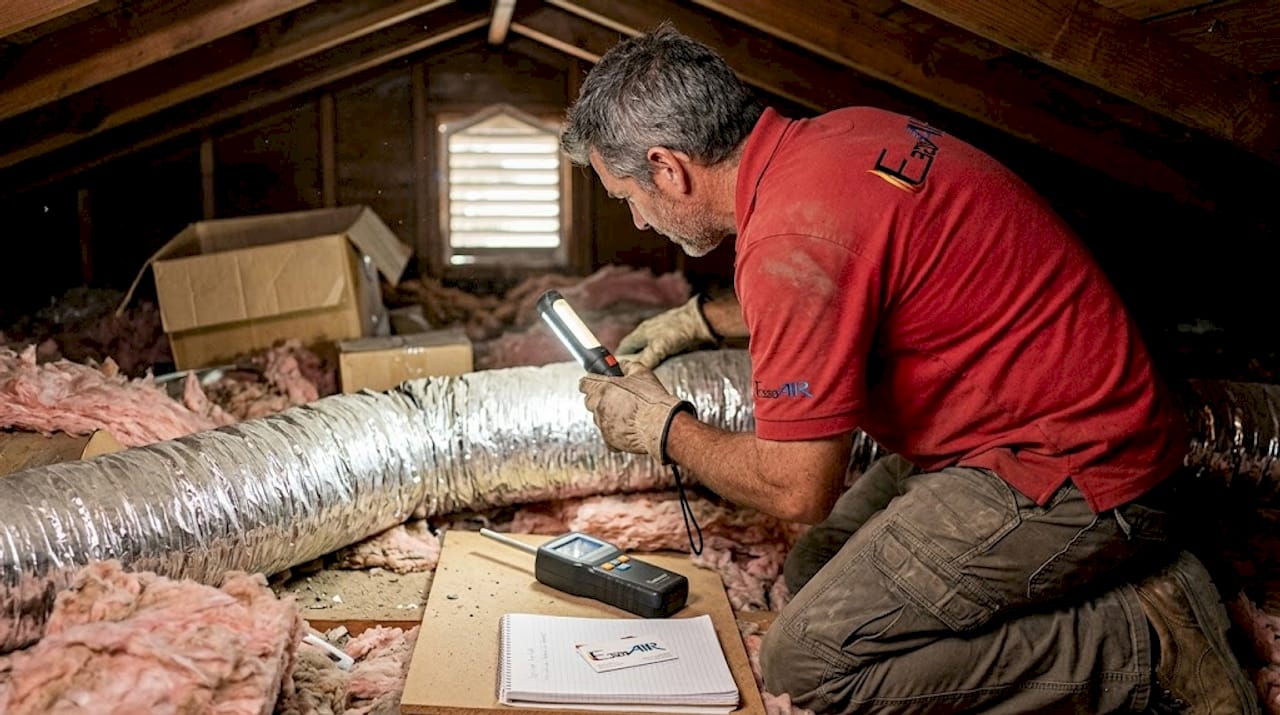
Leaky ducts can erase 30% of your system's energy savings before the air even reaches your rooms. Variable-speed systems, which are common in premium heat pumps, are especially sensitive to improper sizing and duct restrictions.
The biggest mistakes to watch for:
- Skipping duct sealing: Old leaky ducts connected to a new efficient unit still waste energy.
- Oversizing the unit: Bigger isn't better. It's actually worse for comfort and efficiency.
- No HERS testing: Some contractors skip the leakage test to save time, leaving you with a system that won't pass inspection later.
- Missing documentation: Without the load calculation reports, you may be denied rebates even if the equipment qualifies.
- Low-bid traps: A low quote that excludes design work usually costs more in the long run.
"Installing premium equipment on top of faulty ductwork is like putting a sports car engine in a vehicle with four flat tires. The numbers on the spec sheet mean nothing."
Pro Tip: Request a post-installation duct leakage report from your HERS rater. This document is your proof that the system performs as designed, and it protects you if rebate or inspection issues come up later.
Understanding how central air efficiency works in practice helps you ask the right questions. And if you're in a home with distinct zones or room-by-room comfort issues, learning about SEER2-rated systems in hot zones can open up smarter options.
Our perspective: The real secret to unlocking HVAC savings in 2026
Here's something most people in this industry won't say out loud: the SEER2 number on the box matters far less than the skill of the person installing it.
We see it constantly across the Inland Empire. A homeowner upgrades to a compliant, high-efficiency system, follows the checklist, and still ends up with a home that won't cool properly by July. The culprit is almost always the same: rushed load calculations, unsealed duct connections, or a unit sized by guesswork instead of engineering.
The 2026 standards create real opportunities for savings, but only when your installer takes the code requirements seriously as a quality framework, not just a box to check for permit sign-off. The homes that perform well year after year are the ones where someone obsessed over the details at installation, not just the equipment specs. Our installation workflow best practices reflect exactly that mindset.
Chasing a slightly higher SEER2 rating won't save you nearly as much as demanding rigorous design work and verified duct performance from day one. That's the truth most HVAC marketing won't tell you.
Get expert HVAC upgrades for lasting savings
Understanding the 2026 rules is one thing. Finding a contractor who actually follows them, documents everything, and cares about your long-term comfort is another challenge entirely.

Our team at E320 Air specializes in local HVAC installation that's fully compliant with Title 24's 2026 standards, from proper load calculations to verified duct performance. We handle the technical details so you don't have to stress about inspection failures or lost rebates. Browse our problem-solving case studies to see how we've helped Inland Empire homeowners get real savings from compliant upgrades. Ready to take the next step? Visit E320 Air and connect with a local expert who knows these rules inside and out.
Frequently asked questions
Do I have to replace my existing HVAC system in 2026 if it fails?
Not always. Small repairs typically don't trigger the new standards, but major alterations or full equipment replacements usually do, especially if the work involves ductwork changes. Existing systems may not require full upgrades on a minor repair alone.
Can I buy and install a new AC or furnace that doesn't meet SEER2 or AFUE minimums?
No. Since 2026, all new HVAC equipment sold and installed in California must meet or exceed the updated efficiency minimums. Mandatory efficiency minimums apply to every new installation without exception.
Are there rebates available for heat pumps or high-efficiency upgrades?
Yes. Programs like TECH Clean CA offer rebates for qualifying high-efficiency heat pumps at 17+ SEER2. Rebates for heat pumps are available under current California energy policies and can significantly offset upfront costs.
Is professional duct testing required for new HVAC installations?
Yes. Altered or new ducts must pass a leakage test showing less than 5% leakage, and HERS verification is typically required. Duct leakage ≤5% is a firm code requirement, not a recommendation.