
TL;DR:
- Sustainable HVAC solutions in California include geothermal heat pumps, ductless mini-splits, and ENERGY STAR certified air-source heat pumps, all designed to reduce energy use and environmental impact. Proper sizing, rebate qualification, and system selection based on climate zone optimize efficiency and savings, especially when combined with smart thermostats and solar integration. Staying updated on utility programs and verifying rebate eligibility before purchasing ensures the most financial benefits from green upgrades.
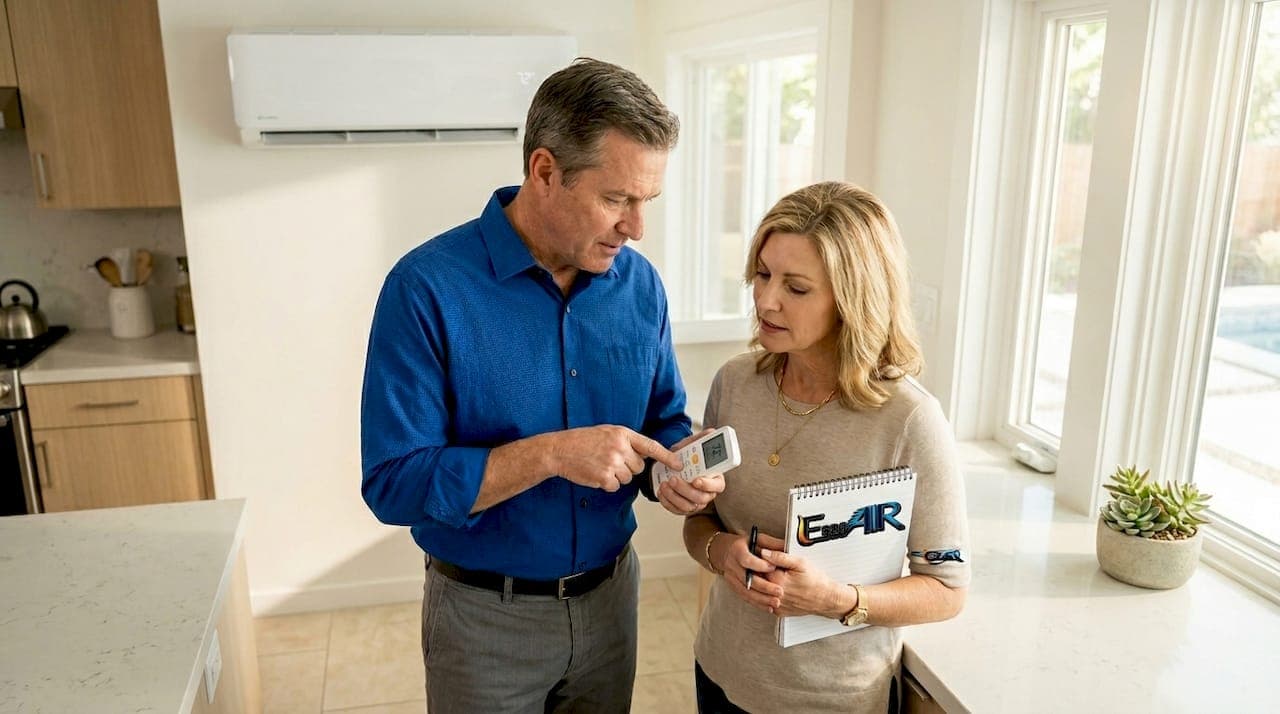
Sustainable HVAC solutions are defined as heating, cooling, and ventilation systems that reduce energy consumption and environmental impact compared to conventional equipment. The best examples of sustainable HVAC solutions available to California homeowners and property managers today include geothermal heat pumps, ductless mini-split systems, air-source heat pumps meeting 2026 ENERGY STAR Version 6.2 criteria, solar-integrated HVAC, and smart thermostat controls. California's updated efficiency standards and active rebate programs from utilities like SMUD and LADWP make 2026 one of the strongest years yet to act on a green upgrade.
1. Examples of sustainable HVAC solutions: geothermal heat pumps
Geothermal heat pumps are the highest-efficiency HVAC technology available to residential and commercial property owners. They work by exchanging heat with the earth through buried ground loops rather than relying on outdoor air temperature. Because ground temperature stays stable year-round, geothermal systems outperform air-source equipment in both extreme heat and cold. That stability is the single biggest performance advantage geothermal holds over every other system type.
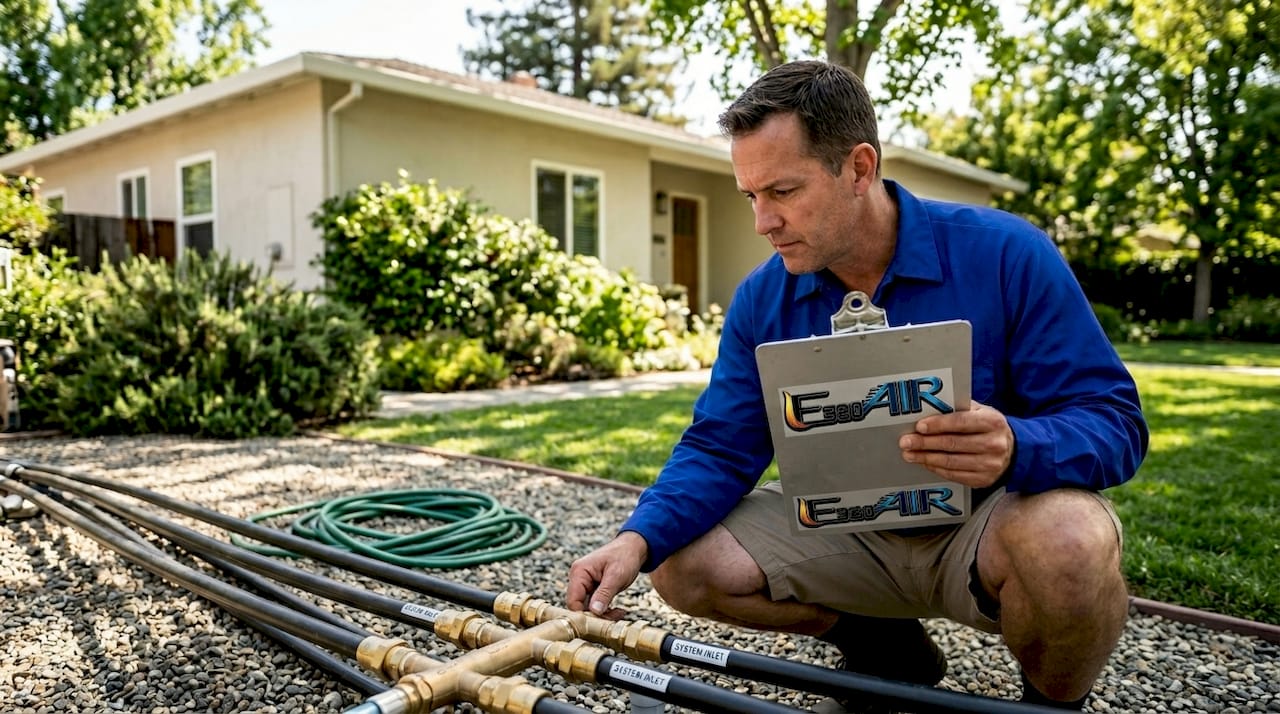
The U.S. Department of Energy describes four ground-loop configurations: horizontal, vertical, pond/lake, and open-loop. Vertical loops work well on smaller California lots where horizontal trenching is not practical. A real-world example from Spain's Project 62 used three geothermal units with 32 boreholes to cover 100% of a multifamily building's heating, cooling, and hot water at a seasonal performance factor of 6.7. Property managers overseeing larger California buildings should treat that figure as a benchmark for what well-designed geothermal can achieve.
Installation costs run higher than air-source systems, but operating costs drop significantly. Loop design must account for California's soil type, lot size, and local geology, so early site assessment is non-negotiable.
Pro Tip: If you are considering geothermal for a California property, commission a soil thermal conductivity test before requesting bids. It determines loop length and directly controls your installation cost.
2. Ductless mini-split heat pumps
Ductless mini-split heat pumps are one of the most practical eco-friendly cooling solutions for California retrofits because they require no duct work. Each indoor air handler serves a single zone, so you heat or cool only the rooms in use. That zoned operation eliminates the 20 to 30 percent energy loss typical of leaky forced-air duct systems. For older California homes without existing ducts, mini-splits are often the fastest path to a fully electric, efficient system.
A 2026 Colorado pilot coordinated by Motili and Daikin electrified over 50 homes by replacing baseboard heaters with multi-zone ductless heat pumps. Utility rebates brought costs 65% below retail, making the upgrade accessible to households that could not have afforded it otherwise. That result confirms what E320air sees regularly in California: when rebates align with the right equipment, adoption accelerates fast.
Mini-splits also eliminate window AC units, improve indoor air quality through multi-stage filtration, and operate quietly. They suit coastal California homes, ADUs, and room additions particularly well.
3. Air-source heat pumps meeting 2026 ENERGY STAR standards
Air-source heat pumps transfer heat between indoor and outdoor air and serve as both heater and air conditioner in a single system. The 2026 ENERGY STAR Version 6.2 update set new minimum thresholds that matter directly for rebate eligibility: split systems must achieve SEER2 ≥ 15.2, EER2 ≥ 11.0, and HSPF2 ≥ 7.8. Any system that falls short of those numbers will not qualify for most California utility rebates, so verifying ratings before purchase is mandatory, not optional.
Cold-climate air-source heat pumps now include COP ratings at 5°F, which matters for California mountain communities in the Sierra Nevada. Manufacturers must disclose refrigerant type under the new criteria, which affects both environmental impact and long-term serviceability. For California's Central Valley and coastal zones, a standard ENERGY STAR Version 6.2 compliant unit handles year-round comfort with no supplemental heat source required.
Air-source heat pumps cost less to install than geothermal and qualify for the broadest range of incentives. They are the most common sustainable heating option E320air installs across California residential properties today.
4. Solar-powered HVAC systems
Solar-powered HVAC pairs photovoltaic panels with an electric heat pump or mini-split to run the system on renewable energy generated on-site. When sized correctly, the solar array offsets most or all of the HVAC system's electricity draw, bringing net operating costs close to zero. California's net energy metering program means excess solar generation credits your utility bill, improving the overall return on investment. This combination represents one of the strongest examples of green HVAC solutions available to California homeowners with suitable roof space.
The key design variable is load matching: the solar array must be sized to the heat pump's peak demand, not just average consumption. A 3-ton heat pump drawing roughly 3.5 kW at peak needs at minimum 10 to 12 panels depending on orientation and shading. E320air recommends coordinating the HVAC and solar installations simultaneously to avoid oversizing or undersizing either system.
Solar-plus-heat-pump systems also qualify for the federal Investment Tax Credit on the solar component and ENERGY STAR rebates on the heat pump, stacking incentives that reduce total project cost.
5. California rebates and incentive programs
California rebates vary by utility territory and income level, and the program landscape shifts frequently. Active programs as of 2026 include SMUD and LADWP rebates, with some offering up to $8,000 for qualifying heat pump installations. TECH Clean California and HEEHRA Phase I are currently closed, but HEEHRA Phase II and HOMES Phase II are upcoming performance-based programs worth tracking.
Key points to know before you purchase:
- ENERGY STAR certification is required for most rebate programs. Confirm SEER2, EER2, and HSPF2 ratings match Version 6.2 minimums before ordering equipment.
- Income qualification changes rebate amounts. Low-to-moderate income households often access higher tiers, sometimes covering the full cost of installation.
- Territory matters. A rebate available through LADWP does not apply to a PG&E customer. Confirm your utility before budgeting.
- Program status changes without notice. TECH Clean California closed mid-cycle. Always verify current availability directly with the utility or a qualified contractor.
Rebate alignment with equipment upgrades is the single biggest driver of heat pump adoption. California homeowners who coordinate their purchase with active incentive windows consistently achieve better financial outcomes than those who act without checking program status first.
Pro Tip: Ask your HVAC contractor to confirm rebate eligibility for the specific model number before installation. Rebate databases update faster than manufacturer spec sheets.
6. Comparing sustainable HVAC technologies for California properties
Choosing the right system depends on your climate zone, property type, lot size, and budget. The table below compares the main green HVAC technologies across the factors that matter most to California homeowners and property managers.
| Technology | Best climate fit | Installation complexity | Typical installed cost | Key efficiency metric |
|---|---|---|---|---|
| Geothermal heat pump | All zones, especially inland | High (requires ground loop) | $15,000 to $30,000+ | SPF 4.0 to 6.7+ |
| Ductless mini-split | Coastal, valley, ADUs | Low to medium | $3,000 to $12,000 | SEER2 18 to 30+ |
| Air-source heat pump | Valley, coastal, mountain | Medium | $5,000 to $14,000 | SEER2 15.2 to 22+ |
| Solar-powered HVAC | High-sun zones, valley | High (dual system) | $12,000 to $25,000+ | Net-zero operating cost |
| Smart thermostat upgrade | Any existing system | Low | $150 to $500 | 10 to 15% energy reduction |
Geothermal suits California's Central Valley and inland areas where summer temperatures push air-source systems hard. Ductless mini-splits win for coastal retrofits and multi-unit properties where individual zone control matters. Air-source heat pumps offer the best balance of cost and performance for most single-family homes. Smart thermostat upgrades deliver the fastest payback of any item on this list and work with any of the systems above.
7. Smart thermostats and HVAC automation
Smart thermostats are the most accessible entry point into energy-efficient HVAC systems for California homeowners who are not yet ready for a full equipment replacement. Devices like the Google Nest Thermostat and Ecobee SmartThermostat use adaptive learning to build a schedule around your actual behavior, reducing runtime during unoccupied hours without manual programming. Studies consistently show smart thermostat savings of 10 to 15 percent on annual heating and cooling costs. That figure compounds when the thermostat is paired with a high-efficiency heat pump rather than a legacy gas furnace.
Automation goes further than scheduling. Modern HVAC controls integrate with occupancy sensors, air quality monitors, and utility demand response programs. California utilities including PG&E and SCE run demand response programs that pay customers to reduce consumption during peak grid events. A smart thermostat enrolled in demand response adjusts setpoints automatically during those events, earning bill credits without requiring any action from the homeowner.
For property managers overseeing multiple units, centralized HVAC management platforms allow zone-by-zone monitoring and remote adjustment. That visibility catches equipment faults early and prevents energy waste from systems running unnecessarily in vacant units.
Key takeaways
Sustainable HVAC upgrades in California deliver the strongest results when equipment meets 2026 ENERGY STAR Version 6.2 standards, qualifies for active utility rebates, and is sized correctly for the specific property and climate zone.
| Point | Details |
|---|---|
| Geothermal leads in efficiency | Ground-loop systems achieve SPF ratings above 6.0, outperforming all air-source alternatives year-round. |
| Ductless mini-splits suit retrofits | No duct work required makes them the fastest sustainable upgrade for older California homes and ADUs. |
| Rebates require ENERGY STAR compliance | Confirm SEER2, EER2, and HSPF2 ratings match Version 6.2 minimums before purchasing any heat pump. |
| California rebates vary by territory | SMUD and LADWP offer up to $8,000, but eligibility depends on utility service area and income level. |
| Smart controls amplify any system | Adding a smart thermostat to an existing or new heat pump cuts energy use by 10 to 15 percent immediately. |
What I've learned about sustainable HVAC investments in California
After years of installing and servicing HVAC systems across California, the pattern I see most often is homeowners making the right equipment choice but the wrong timing decision. They buy a heat pump before checking whether their target rebate program is still funded, or they skip the site assessment for geothermal and end up with an undersized loop that underperforms for the life of the system. Both mistakes are avoidable.
My honest recommendation is to start with an ENERGY STAR certified air-source heat pump if you are on a budget and your climate zone supports it. The installed cost is manageable, the rebate path is clear, and the performance improvement over a gas furnace or aging AC is immediate. If you manage a larger property or have the lot space, geothermal is worth the higher upfront investment because the operating cost advantage compounds every year.
The one thing I would not skip under any circumstances is professional system sizing. An oversized heat pump short-cycles and wears out faster. An undersized one runs constantly and never meets comfort targets. Neither outcome is sustainable in any sense of the word. Pair the right-sized system with a smart thermostat enrolled in your utility's demand response program, and you have a setup that saves money and reduces grid strain simultaneously.
Verify your rebate program status the week you plan to purchase, not the month before. Programs like TECH Clean California closed without extended warning. That lesson cost some California homeowners real money.
— Edward
Upgrade your California home with E320air
E320air installs and services the full range of sustainable HVAC technologies described in this article, from ENERGY STAR certified air-source heat pumps to ductless mini-split systems and geothermal solutions for California residential and commercial properties.
The E320air team handles rebate documentation and utility program coordination so you capture every available incentive without the paperwork headache. Whether you need a single-zone mini-split for an ADU or a commercial HVAC solution for a multi-unit property, E320air brings local California experience to every project. Visit E320air to schedule a consultation and get a system recommendation sized for your property, climate zone, and budget.
FAQ
What are the most common examples of sustainable HVAC solutions?
Geothermal heat pumps, ductless mini-split heat pumps, ENERGY STAR certified air-source heat pumps, solar-powered HVAC systems, and smart thermostat controls are the most widely installed examples of eco-friendly HVAC options for California homes and properties.
How much can California homeowners save with heat pump rebates?
Active programs through SMUD and LADWP offer rebates up to $8,000 for qualifying heat pump installations, with higher amounts available for income-qualified households. Rebate availability changes frequently, so confirm program status before purchasing equipment.
Does a heat pump work in California's hotter inland climates?
Yes. Air-source heat pumps meeting 2026 ENERGY STAR Version 6.2 standards with SEER2 ratings of 15.2 or higher handle California's Central Valley summers effectively. Geothermal heat pumps perform even better in extreme heat because they rely on stable ground temperatures rather than outdoor air.
What is the fastest sustainable HVAC upgrade for an older California home?
A ductless mini-split heat pump is the fastest upgrade because it requires no existing duct work. Installation typically takes one to two days, and the system qualifies for utility rebates when it meets ENERGY STAR Version 6.2 criteria.
Do smart thermostats qualify for California rebates?
Some California utilities offer rebates or bill credits for smart thermostats, particularly when enrolled in demand response programs. Check with your specific utility, such as PG&E, SCE, SMUD, or LADWP, for current program details and eligible device lists.