
TL;DR:
- Regularly cleaning HVAC filters in Claremont is essential to prevent system strain and costly repairs. Homeowners should use proper tools, dry filters thoroughly, and adjust cleaning schedules for local dust and wildfire smoke. Professional inspection is recommended for persistent issues or unusual odors after DIY maintenance.
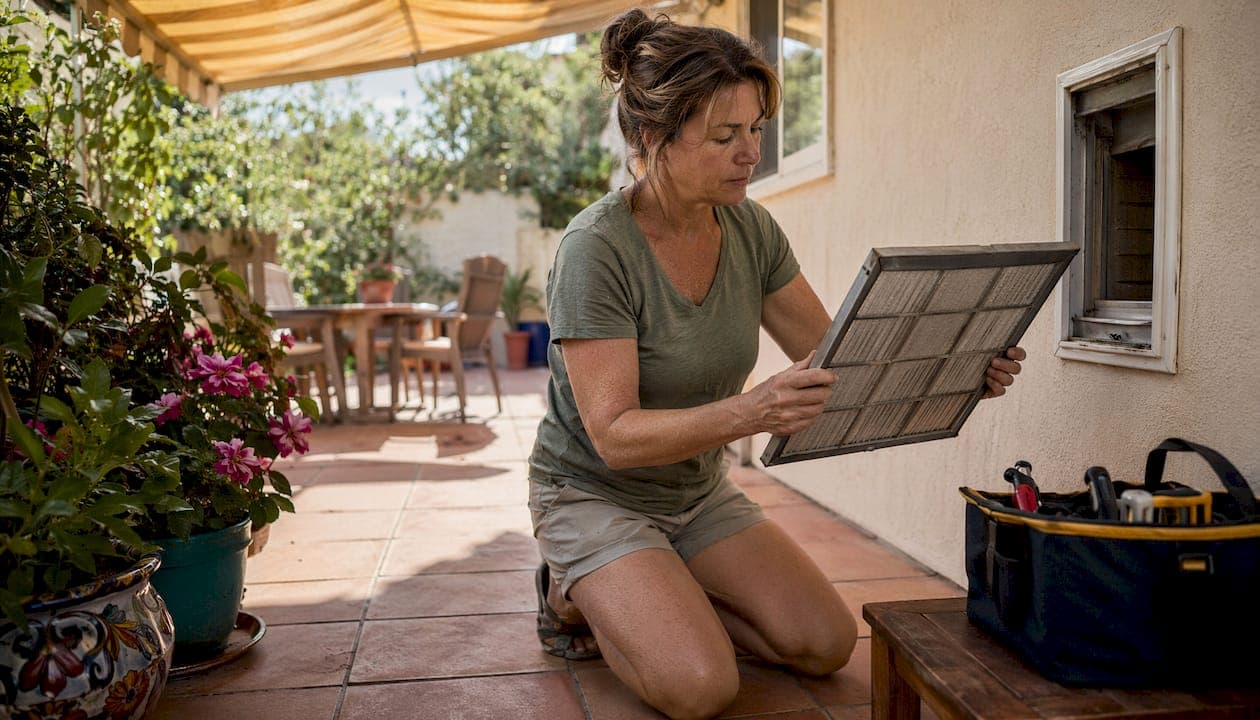
Cleaning your HVAC filter is the single most effective maintenance task you can do to protect your system and the air inside your home. Knowing how to clean HVAC filters in Claremont matters more than most homeowners realize, because dirty filters force your system to work harder, raising energy bills and risking breakdowns. Claremont's dry, dusty climate accelerates buildup on filters faster than in humid regions, which means local homes need a more attentive schedule than the national average suggests. Whether you have a reusable washable filter or a standard pleated type, the process is straightforward when you know the steps. This guide covers everything from tools to troubleshooting, tailored specifically for Claremont conditions.
How to clean HVAC filters in Claremont: what you need first
Before you touch the filter, gather the right tools. Cleaning without preparation leads to shortcuts that damage filters or leave your system exposed to unfiltered air.
What you need:
- A vacuum cleaner with a brush attachment (low suction setting)
- Mild dish detergent or a gentle household cleaner
- Lukewarm water and a soft-bristle brush
- A 1:1 white vinegar and water solution for heavy buildup
- A clean towel and an air drying rack or flat surface
- Safety glasses if your filter slot is overhead or dusty
The most overlooked item on this list is the drying rack. Reinserting a damp filter is one of the top causes of mold growth inside HVAC systems. Air filters can harbor mold and mildew when moisture is trapped inside the unit. A simple wire rack or even a clean outdoor surface works fine, as long as the filter dries completely before going back in.
Claremont homeowners with well water should note that hard water leaves mineral deposits on filter mesh. Use filtered or softened water for rinsing when possible. This keeps the filter material intact and prevents clogging from mineral scale.
Pro Tip: Label the filter's airflow direction with a permanent marker before removing it. Reinstalling it backward is one of the most common mistakes, and it reduces filtration effectiveness immediately.
Step-by-step process for cleaning reusable HVAC filters
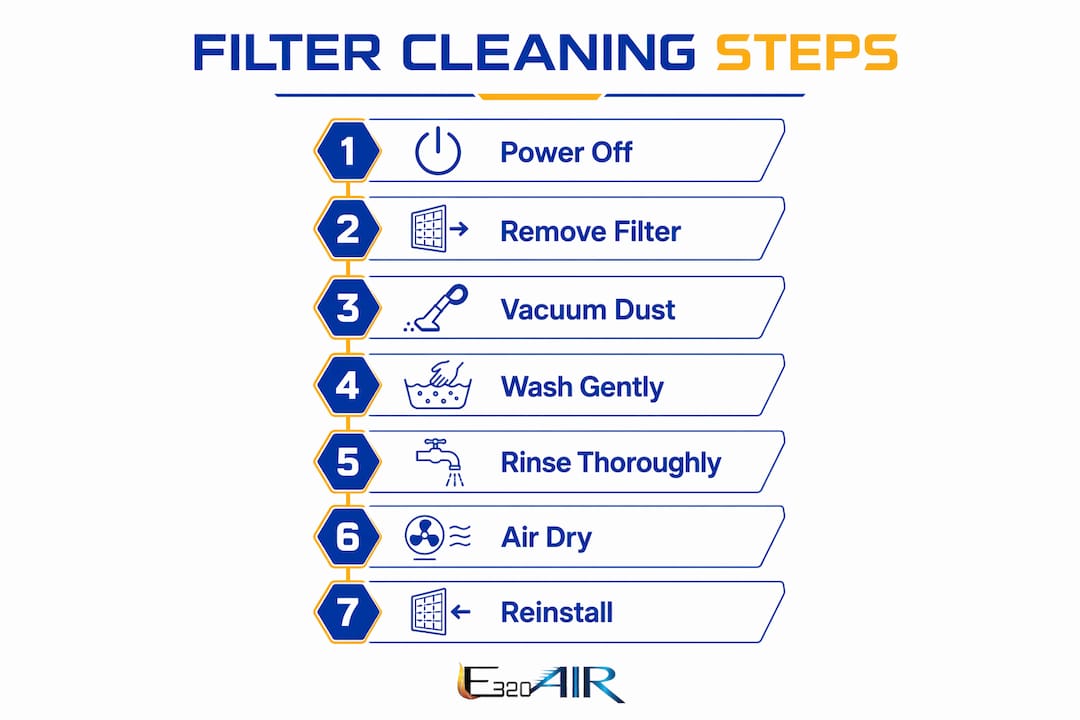
This process applies to washable and reusable filter types. Disposable pleated filters are not washable and must be replaced, not cleaned.
1. Turn off the HVAC unit completely. Switch off power at the thermostat and, for extra safety, at the breaker. Turning off the unit before removal prevents unfiltered air from circulating through the system and protects you from moving parts.
2. Locate and remove the filter. Most residential systems have the filter at the return air vent or inside the air handler cabinet. Slide it out carefully to avoid shaking loose dust into the room. Hold it over a trash bag if it is heavily loaded.
3. Vacuum loose debris first. Use a brush attachment on low suction to pull surface dust off both sides of the filter. Work in one direction to avoid pushing debris deeper into the mesh. This step alone removes the majority of buildup on lightly soiled filters.
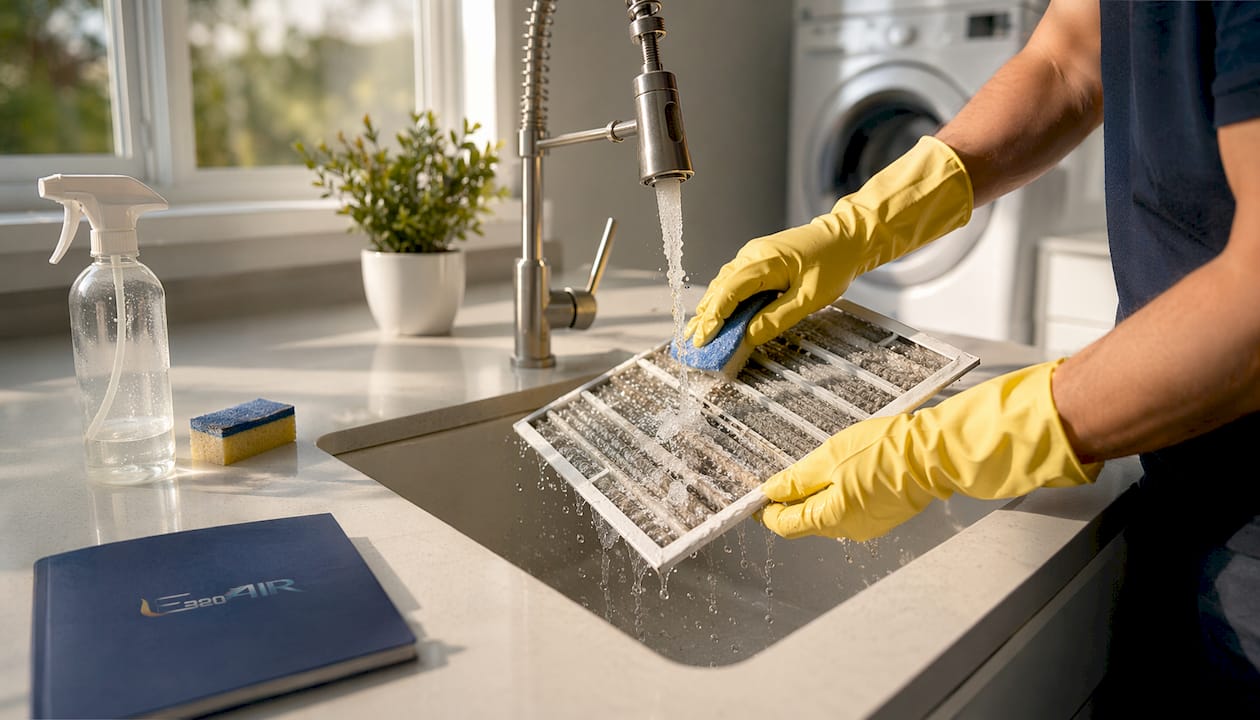
4. Wash with lukewarm water and mild detergent. Hold the filter under running water, moving from the clean side to the dirty side. Apply a small amount of mild detergent and scrub gently with a soft brush. For heavy buildup, soak the filter in a 1:1 vinegar and water solution for one hour before rinsing.
5. Rinse thoroughly. All detergent residue must come out. Leftover soap attracts dust faster and can degrade filter material over time. Rinse until the water runs completely clear.
6. Air dry completely before reinstalling. Set the filter flat or upright on a drying rack in a well-ventilated area. Never use a hair dryer or direct heat. Drying time ranges from two to four hours depending on humidity and filter thickness. In Claremont's dry climate, outdoor drying in shade works well and speeds the process.
7. Inspect before reinserting. Check for tears, holes, or heavy grime that washing did not remove. A damaged filter does more harm than no filter, because it allows debris to pass directly into the system.
8. Reinstall with the correct airflow direction. Align the airflow arrow on the filter frame toward the furnace or air handler. Incorrect placement causes poor filtration and puts unnecessary stress on the blower motor.
A filter that looks clean after washing but still smells musty has mold growth inside the mesh. Do not reinstall it. Replace it immediately and inspect the surrounding ductwork for moisture issues.
Pro Tip: Take a photo of the filter slot and the airflow arrow before removing the filter. You will have a clear reference when it is time to put it back.
Common mistakes when cleaning HVAC filters
Most filter cleaning errors fall into a few predictable categories. Knowing them in advance saves you from a repair call.
- Skipping the power shutoff. Running the system without a filter, even for a few minutes, pulls dust directly into the blower and coils. This creates safety hazards and can cause expensive coil cleaning later.
- Using harsh chemicals or high-pressure water. Bleach, ammonia, and pressure washers destroy filter media. Gentle washing with mild detergent and soft brushes preserves the filter material and extends its life.
- Reinstalling a wet filter. Moisture inside the air handler creates the perfect environment for mold. Always wait for a full dry before reinserting.
- Installing the filter backward. Incorrect airflow orientation reduces filtration efficiency and stresses the system. Check the arrow every time.
- Cleaning a disposable filter. Standard pleated filters are not designed to be washed. Wetting them collapses the pleats and destroys their filtration structure.
- Ignoring visible damage. A filter with even a small tear passes unfiltered air straight into the system. Replace it rather than patch it.
Claremont's wildfire season adds another layer of risk. During smoke events, filters load up far faster than normal. Check your filter weekly during active smoke advisories, not monthly. If you notice persistent airflow problems, unusual odors, or visible mold around vents after cleaning, call a professional. These are signs of a deeper system issue that DIY cleaning will not fix.
Maintenance schedules and filter replacement for Claremont homes
The right cleaning and replacement schedule depends on your filter type, your home's conditions, and Claremont's local environment.
| Filter type | Cleaning frequency | Replacement interval |
|---|---|---|
| Washable/reusable | Monthly | Every 3–5 years (or when damaged) |
| Standard 1-inch pleated | Not washable | Every 30–90 days |
| Media filter (4–5 inch) | Not washable | Up to 12 months |
| HEPA-style residential | Not washable | Every 6–12 months |
Pleated filters typically last 30–90 days, while washable filters need monthly cleaning and media filters can go up to 12 months with proper care. Claremont's dry climate means dust accumulates faster than in coastal cities, so lean toward the shorter end of any recommended interval.
Factors that shorten your cleaning or replacement schedule:
- Pets in the home (pet hair and dander clog filters quickly)
- Allergy sufferers who need consistently clean air
- Recent construction or renovation nearby
- Wildfire smoke events during summer and fall
- Running the system more than 12 hours per day
MERV ratings tell you how fine a particle a filter can capture. Higher MERV ratings filter smaller particles but can restrict airflow in older systems. A MERV 8 to 11 rating works well for most Claremont homes. Going above MERV 13 without confirming your system can handle the added resistance risks damaging the blower motor over time.
Mark the installation date on the filter frame with a marker every time you install a new one. Set a phone reminder for the next cleaning or replacement date. This simple habit prevents the "I'll do it next month" cycle that leads to filters going unchanged for a year. A good seasonal HVAC maintenance checklist can help you build filter care into your broader home upkeep routine.
For more detail on how filter maintenance connects to overall system health, the E320air guide on HVAC filter essentials covers filter types, MERV ratings, and replacement timing in depth.
Key Takeaways
Regular HVAC filter cleaning in Claremont requires the right tools, a safe shutdown process, and a schedule adjusted for local dust and climate conditions.
| Point | Details |
|---|---|
| Always shut off power first | Turn off the system at the thermostat and breaker before removing any filter. |
| Match cleaning method to filter type | Washable filters can be vacuumed and washed; disposable pleated filters must be replaced, not cleaned. |
| Dry completely before reinstalling | A damp filter causes mold growth inside the air handler. Allow 2–4 hours of air drying. |
| Adjust schedule for Claremont conditions | Dry climate and wildfire smoke load filters faster. Check monthly and inspect weekly during smoke events. |
| Replace damaged filters immediately | Tears or persistent odors after cleaning mean the filter needs replacement, not another wash. |
What I have learned after years of HVAC work in Claremont
The homeowners who call E320air with the most expensive repair bills almost always share one thing in common. They skipped filter maintenance for months, sometimes longer, because it felt like a minor task. It is not minor. A clogged filter is the leading cause of frozen evaporator coils, overheated blower motors, and compressor failures. Those repairs cost hundreds to thousands of dollars. A clean filter costs almost nothing.
What surprises most people is how fast filters load up in Claremont specifically. The Inland Empire's dry winds carry fine dust and particulates that coastal homeowners rarely deal with. During Santa Ana wind events or wildfire season, I have seen filters go from clean to completely blocked in under two weeks. Monthly checks are not overcautious here. They are the minimum.
The other thing I tell every homeowner is this: do not upgrade to a high-MERV filter without checking your system first. I have seen well-meaning homeowners install MERV 13 filters in older systems designed for MERV 8. The restricted airflow caused the coil to freeze and the motor to overheat within a season. Better filtration is only better if your system can handle it. When in doubt, ask a technician before you buy.
If you want to go deeper on how filter care connects to your system's overall health, the E320air air conditioner repair guide for Claremont covers the full picture of what neglect looks like from a technician's perspective.
— Edward
E320air HVAC services for Claremont homeowners
DIY filter cleaning handles the routine work well. But some situations call for a professional eye, whether that is a filter that keeps loading up too fast, a system that smells off after cleaning, or a unit that has not had a full inspection in years.
E320air provides residential HVAC maintenance across Claremont, including filter replacement, system inspections, and full tune-ups. The team handles everything from a quick filter swap to diagnosing airflow problems that DIY cleaning cannot fix. Combining regular filter care at home with a professional inspection once or twice a year gives your system the best chance of running efficiently for years. Contact E320air to schedule a maintenance visit or get a filter compatibility check for your specific unit.
FAQ
How often should I clean my HVAC filter in Claremont?
Washable filters need cleaning every month. Claremont's dry climate and seasonal smoke events mean you should inspect any filter type weekly during wildfire season and replace pleated filters every 30–60 days rather than waiting the full 90.
Can I wash a disposable pleated HVAC filter?
No. Disposable pleated filters are not designed for washing. Water collapses the pleats and destroys their ability to capture particles. Replace them on schedule rather than attempting to clean them.
What MERV rating is best for a Claremont home?
A MERV 8 to 11 rating works well for most Claremont residential systems. Higher ratings capture finer particles but can restrict airflow in older units, so confirm your system's compatibility before upgrading.
What happens if I reinstall the filter in the wrong direction?
Installing the filter backward reduces filtration efficiency and puts extra strain on the blower motor. Always align the airflow arrow on the filter frame toward the furnace or air handler before sliding it in.
When should I call a professional instead of cleaning the filter myself?
Call a professional if you notice persistent odors after cleaning, visible mold around vents, weak airflow that does not improve after a fresh filter, or if the filter loads up unusually fast. These signs point to a system issue beyond what filter cleaning can address.