
TL;DR:
- Homeowners often underestimate the importance of ventilation, moisture control, and duct integrity in maintaining indoor air quality. Effective air improvement relies on regular filter maintenance, proper ventilation upgrades, moisture management, and sealed ductwork, supplemented by advanced technologies. A comprehensive, professionally guided approach addresses the root causes, ensuring healthier indoor environments.
Most homeowners think changing a filter every few months is enough to handle indoor air quality. It isn't. The top HVAC air quality improvements go well beyond filter swaps — they involve ventilation upgrades, moisture control, ductwork integrity, and smart system management working together. According to the EPA, maintenance, ventilation, and source control are the three pillars of healthy indoor air. Get any one of them wrong and the other two can't compensate.
Table of Contents
- Key Takeaways
- 1. Top HVAC air quality improvements start with filter maintenance
- 2. Enhancing ventilation through system upgrades and habits
- 3. Moisture control and HVAC maintenance to prevent microbial growth
- 4. Advanced filtration technologies and smart HVAC upgrades
- 5. Ductwork inspection, sealing, and cleaning
- My honest take on what actually moves the needle
- Ready to improve your home's air quality? E320air can help.
- FAQ
Key Takeaways
| Point | Details |
|---|---|
| Filters are the foundation | Replace or upgrade filters on schedule using the right MERV rating for your system's airflow capacity. |
| Ventilation dilutes pollutants | Running exhaust fans and upgrading to HRVs or ERVs reduces pollutant concentration more than filtration alone. |
| Moisture control is non-negotiable | Keeping indoor humidity between 30 and 50% stops mold and microbial growth inside HVAC components. |
| Ducts matter more than you think | Leaky or dirty ductwork undermines every other air quality measure you take. |
| Advanced tech supplements, not replaces | UV lights and activated carbon filters work best layered on top of solid maintenance habits, not instead of them. |
1. Top HVAC air quality improvements start with filter maintenance
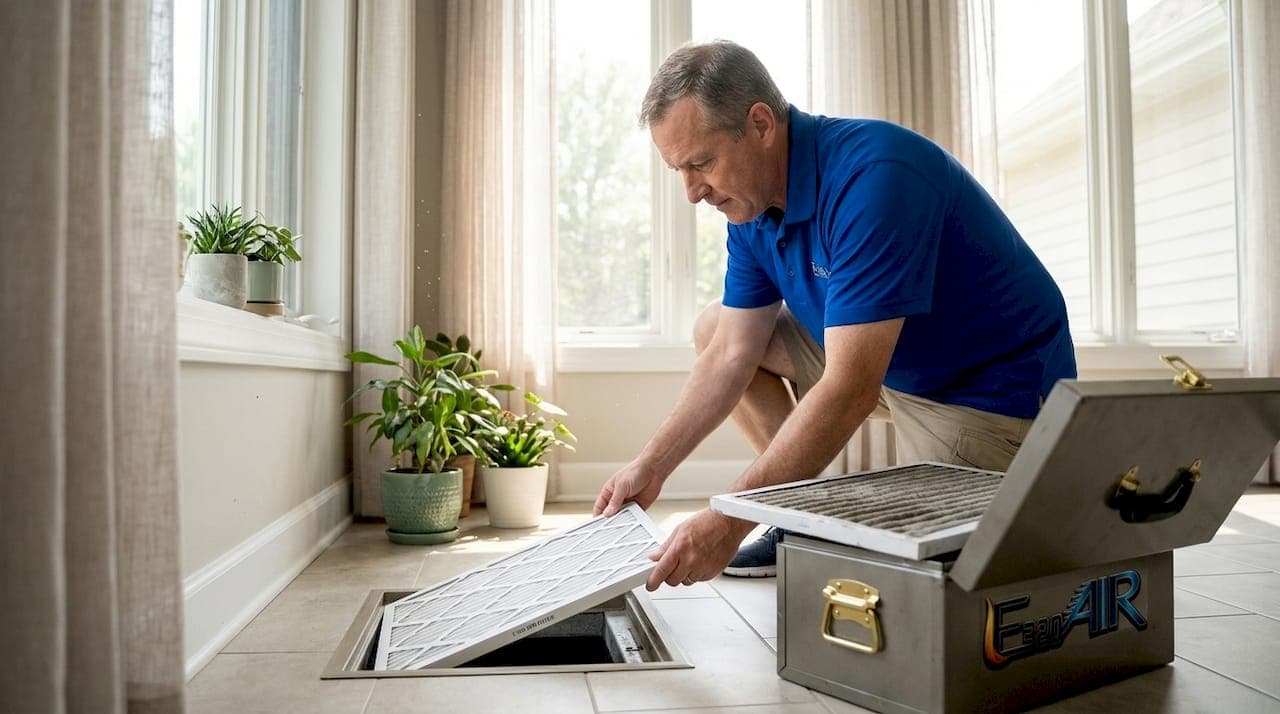
Clean filters are the single most immediate change you can make. A clogged filter reduces airflow, forces your system to work harder, and allows dirt to accumulate on evaporator coils — which then become a breeding ground for contaminants. Most homeowners replace filters too infrequently or grab the cheapest option on the shelf without checking MERV ratings.
Here is what actually matters when it comes to filters:
- MERV 1 to 4: Basic fiberglass filters. They protect the equipment but do almost nothing for your air.
- MERV 8 to 11: The sweet spot for most residential systems. These capture dust, pollen, mold spores, and pet dander without choking airflow.
- MERV 13 and above: Hospital-grade filtration. Effective for fine particles, but proper sizing prevents air bypass around the filter and requires a system with adequate fan capacity.
- Washable filters: Convenient but often less effective. They require thorough drying before reinstallation or they introduce moisture into your system.
Replace 1-inch filters every 30 to 60 days if you have pets or allergies. Thicker 4-inch filters can last three to six months. Mark your calendar, set a phone reminder, or buy a multipack so you have no excuse to skip.
Pro Tip: Before upgrading to a MERV 13 filter, ask an HVAC technician whether your system's blower motor can handle the added resistance. A high-MERV filter on an underpowered system can reduce airflow more than a dirty filter would.
2. Enhancing ventilation through system upgrades and habits
Filtration cleans air already circulating through your system. Ventilation replaces that air with fresh outdoor air, which dilutes pollutants that filters simply cannot remove. The EPA confirms that opening windows and exhaust fans during moisture-generating activities are practical first steps, but they are not the whole story.
For a more structured approach, consider these options:
- Kitchen and bathroom exhaust fans: Run them during cooking and showering, and keep them running for 10 to 15 minutes after you finish. Most people turn them off too soon.
- Whole-house ventilation: A balanced mechanical system pulls in fresh air while exhausting stale air at equal rates, which avoids pressure imbalances that pull in pollutants through cracks.
- Heat Recovery Ventilators (HRVs): These transfer heat between air streams so you bring in fresh air without losing the energy you spent heating or cooling it.
- Energy Recovery Ventilators (ERVs): ERVs do the same as HRVs but also transfer moisture, making them a better fit for humid climates where you want to limit how much outdoor humidity enters your home.
If you live in Southern California, ventilation system upgrades are especially worth considering given the region's dry heat and wildfire smoke seasons. Humidity control and ventilation are tightly connected. Bringing in too much unconditioned outdoor air can spike indoor humidity, which creates its own set of problems.
3. Moisture control and HVAC maintenance to prevent microbial growth
Mold and bacteria do not randomly appear in your home. They grow where moisture accumulates, and your HVAC system has several spots where stagnant water loves to hide. Keeping indoor humidity between 30 and 50% is the target range recommended by the EPA, and it is achievable with the right combination of equipment and maintenance habits.
Follow these steps to keep moisture from turning into a microbial problem:
- Inspect and clean the drip pan regularly. The condensate drip pan under your air handler collects water pulled from the air. If it develops algae buildup or a partial clog, water can overflow and soak nearby ductwork or insulation.
- Clean the evaporator coils annually. Dirty coils reduce cooling efficiency and create a damp surface where mold can establish itself. A technician should do this as part of annual maintenance.
- Check the condensate drain line. A blocked drain line is one of the most common sources of water damage in HVAC systems. Flushing it with a diluted bleach solution once a year prevents clogs.
- Add a whole-home dehumidifier if your system alone cannot keep up. Portable units work for single rooms, but a whole-home unit integrated into your HVAC is more effective and requires less daily management.
The danger is not just mold you can see. Soaked filters and stagnant water in ducts become contamination sources that send microbial particles through every room every time your system runs.
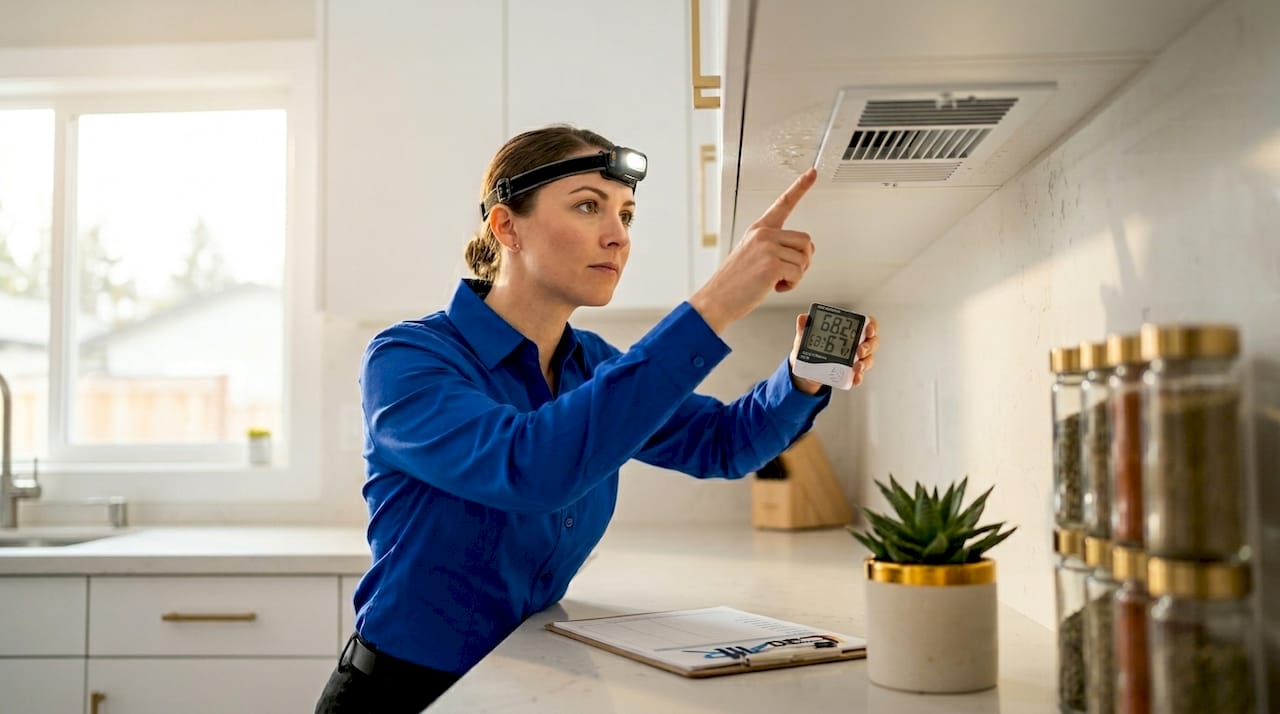
Pro Tip: Buy a simple digital hygrometer for around $10 to $15 and place it in the room you spend the most time in. If you are consistently above 55% relative humidity, your HVAC system may be undersized or your dehumidification strategy needs adjustment.
4. Advanced filtration technologies and smart HVAC upgrades
Once your maintenance baseline is solid, advanced filtration tools can take your indoor air quality further. The key word is "supplement." Air cleaning works best layered on source control and ventilation, not as a replacement for either one.
Here is how the main advanced options compare:
| Technology | Best for | Limitations |
|---|---|---|
| HEPA filtration | Ultra-fine particles, allergens, smoke | Requires system modification for most central HVAC setups |
| Activated carbon filters | Odors, VOCs, gases | Does not capture particulates; requires regular replacement |
| UV germicidal lights | Killing mold and bacteria on coils | No effect on particles or gases already in the air |
| Smart IAQ sensors | Real-time air quality monitoring | Data alone does not clean the air; must trigger system response |
A few things worth knowing before you invest:
- UV lights are most effective when installed near the evaporator coil, where microbial growth is most likely. They are not effective floating in the air stream alone.
- Activated carbon filters address something standard MERV filters completely miss: gaseous pollutants like VOCs from cleaning products, paint, and furniture off-gassing. Many homeowners skip these entirely.
- Smart sensors that connect to your thermostat or HVAC controller can trigger ventilation cycles when CO2 or particulate levels rise, which is a genuinely useful automation for tight, well-insulated homes.
The HVAC installation matters here too. Advanced filtration components installed incorrectly can create air bypass, add unwanted resistance, or fail to function as intended. Always have a qualified technician install these add-ons.
5. Ductwork inspection, sealing, and cleaning
Your ducts are the delivery network for everything your HVAC system produces. If that network is leaking, blocked, or coated in years of accumulated debris, none of your other improvements will perform at their potential. Leaky or dirty ductwork reduces air quality and forces your system to work harder to move air through the house.
Here is what to watch for and address:
- Duct leaks: Gaps at joints and connections allow conditioned air to escape into unconditioned spaces like attics and crawl spaces. This reduces airflow to the rooms that need it and can pull in dust, insulation fibers, and outdoor pollutants. Sealing ducts with mastic or metal tape (not standard duct tape, which fails over time) makes a measurable difference.
- When duct cleaning is worth it: Cleaning is genuinely beneficial after a renovation that generated dust, if you find visible mold inside the ducts, or if you have a documented rodent or pest infestation. It is not necessary on a fixed annual schedule for most homes.
- Professional inspection: A technician can pressurize your duct system to locate leaks you cannot see. This is especially valuable in older homes where original ductwork was never properly sealed.
Renters are not powerless here. Renters can advocate with landlords for filter maintenance and duct inspection, particularly if they have documented allergy or asthma triggers. Framing it as a maintenance request rather than a complaint tends to get better results.
Ductwork efficiency affects your comfort and your utility bill at the same time. It is one of the few HVAC improvements that pays you back in multiple ways.
My honest take on what actually moves the needle
I've been working in and around HVAC systems for years, and the pattern I see most often is homeowners who spend money on air purifiers and gadgets while their ducts are leaking and their drip pan hasn't been touched in three years. Then they wonder why their allergies haven't improved.
The truth is that the glamorous fixes rarely work as advertised when the fundamentals are broken. I've seen UV light systems installed on systems with filthy coils, which is like putting a water filter on a pipe full of sediment. And I've seen HEPA-grade portable purifiers running full blast in rooms where the ductwork is pulling dusty attic air in through a gap at every return.
What actually works is the integrated approach: consistent filter maintenance, real ventilation (not just cracking a window once in a while), moisture control at the source, and clean sealed ducts. Every advanced upgrade you layer on top of that foundation will perform far better than it would otherwise. My advice to any homeowner or renter is to get an honest professional assessment of your current system before spending a dollar on upgrades. The answer is almost always maintenance first, then improvements second.
— Edward
Ready to improve your home's air quality? E320air can help.
Knowing what needs to be done is one thing. Having a trusted team to do it correctly is another. E320air handles everything from filter consultations and moisture assessments to full HVAC installations designed for better indoor air performance.
Whether your system needs a tune-up, a duct inspection, or a full equipment upgrade, E320air's technicians work with homeowners and renters across the service area to find the right solution at the right budget. Browse the E320air problem-solving gallery to see real examples of HVAC air quality projects, or visit E320air's website to schedule a consultation. The first step is understanding what your specific system actually needs, and that starts with a professional eye.
FAQ
What is the most effective HVAC air quality improvement?
Regular filter maintenance combined with proper ventilation delivers the broadest improvement for most homes. Advanced add-ons like UV lights and activated carbon filters work best once those fundamentals are in place.
How often should HVAC filters be replaced for better air quality?
Standard 1-inch filters should be replaced every 30 to 60 days in homes with pets or allergies. Thicker 4-inch filters typically last three to six months depending on usage and air conditions.
What indoor humidity level prevents mold in HVAC systems?
The EPA recommends keeping indoor humidity between 30 and 50%. Levels above 55% consistently create conditions where mold and bacteria can grow inside HVAC components and ductwork.
Can renters make HVAC air quality improvements?
Yes. Renters can request filter replacements and duct inspections from landlords, and they can independently run exhaust fans during cooking and showering to reduce indoor pollutants and moisture.
Do UV lights in HVAC systems actually improve air quality?
UV germicidal lights are effective at controlling mold and bacteria growth on evaporator coils, but they do not remove particles or gases from the air. They work best as one component of a broader maintenance and filtration strategy.