
TL;DR:
- A packaged HVAC unit is a self-contained outdoor system that houses all major heating and cooling components in one cabinet. It offers faster installation, requires no indoor space, and is ideal for properties with limited mechanical room or slab-on-grade construction. Proper maintenance and professional service can extend its lifespan to 15–20 years.
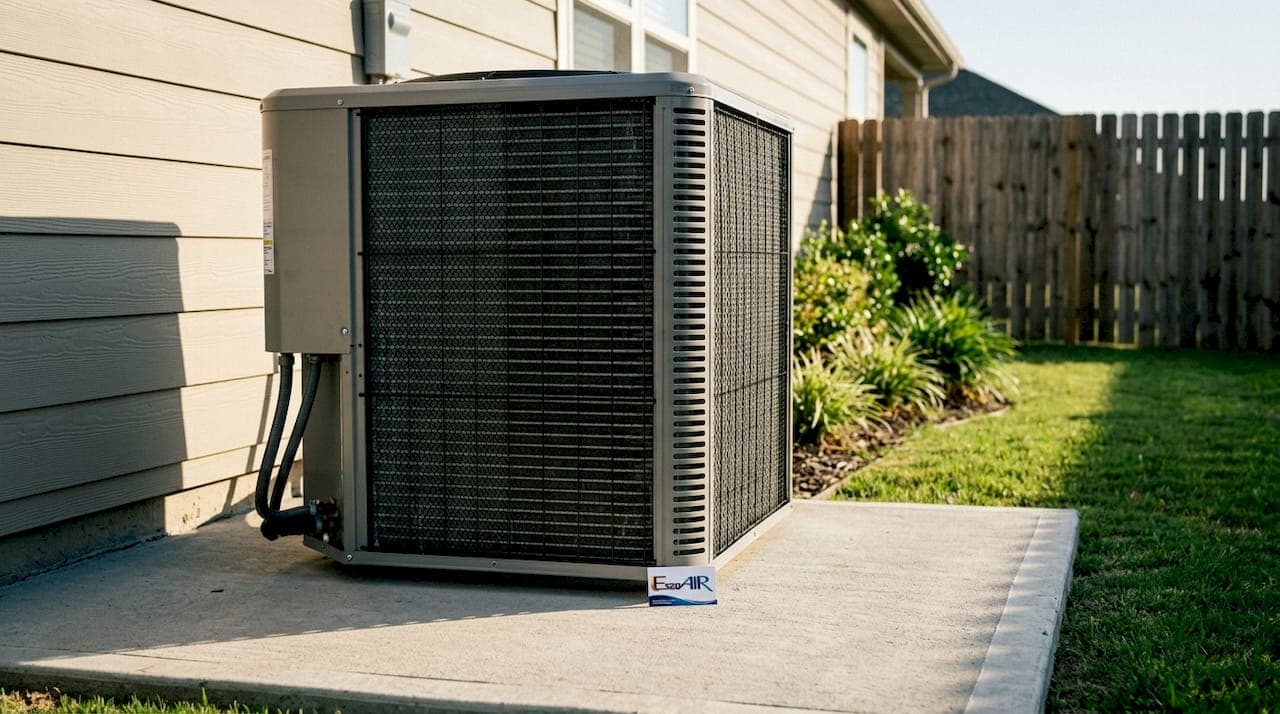
A packaged HVAC unit is a self-contained heating and cooling system that houses every major component inside a single outdoor cabinet. The compressor, condenser coil, evaporator coil, blower, and heating elements all live in one unit, eliminating the need for a separate indoor air handler or furnace. This design makes packaged systems the go-to choice for mobile homes, manufactured homes, and slab-on-grade construction where interior mechanical space is scarce. If you've ever wondered why some homes have no indoor HVAC equipment at all, a packaged unit is almost certainly the reason.
What is a packaged HVAC unit and how does it differ from a split system?
A packaged HVAC unit consolidates what a traditional split system separates into two locations. In a split system, the condenser sits outside while the air handler or furnace sits inside a closet, attic, or basement. A packaged unit places all of that into one outdoor cabinet, then connects directly to your home's ductwork.
The term "packaged" refers to the unit's configuration, not its heating or cooling method. You can get a packaged gas-electric unit, a heat pump model, or a dual-fuel hybrid depending on your climate and energy costs. The cabinet looks similar across all types, but what's inside changes significantly based on your heating needs.
This distinction matters for homeowners comparing options. A split system gives you more flexibility in equipment placement and sometimes higher efficiency ratings. A packaged system gives you faster installation, fewer refrigerant lines running through your walls, and no indoor footprint at all.
How does a packaged unit work to heat and cool your home?
The airflow process in a packaged unit follows a straightforward path. The system pulls return air from your home, conditions it inside the outdoor cabinet, and pushes it back through your ductwork into every room. Here's how that process works step by step:
- Return air intake. Your home's return ducts pull warm or cool air from inside and send it to the packaged unit sitting outside.
- Conditioning the air. In cooling mode, refrigerant in the evaporator coil absorbs heat from the air. In heating mode, electric heat strips, a gas burner, or a heat pump reversal cycle warms the air.
- Blower distribution. The built-in blower pushes the conditioned air back through supply ducts into your living spaces.
- Heat rejection. In cooling mode, the condenser coil releases the absorbed heat to the outdoor air. In heating mode with a heat pump, this process reverses.
The heating and cooling process mirrors what a split system does, just compressed into one outdoor cabinet instead of two separate units.
Packaged units come in four main configurations: straight cool with electric heat strips, heat pump only, gas-electric (gas furnace with electric cooling), and dual-fuel (heat pump paired with a gas backup). Gas-electric units are popular in colder climates where electric heat strips can't keep up with demand. Dual-fuel models are the most efficient option for regions with wide temperature swings because they let the heat pump handle mild weather and the gas furnace take over when temperatures drop hard.
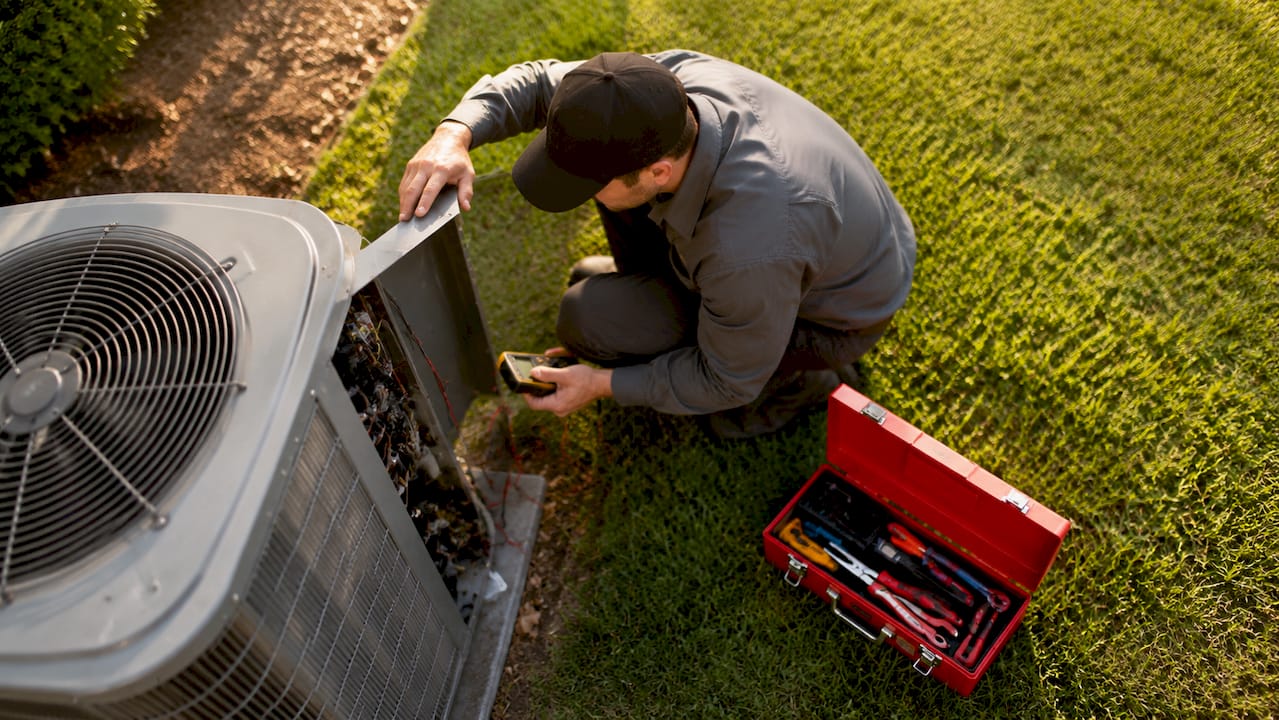
Pro Tip: If you live in a climate with mild winters and hot summers, a heat pump packaged unit can handle both seasons efficiently without any gas connection at all.
Packaged HVAC systems vs. split systems: benefits and limitations
Choosing between a packaged system and a split system comes down to your property's layout, your climate, and how much indoor space you can spare. Here's a direct comparison:
| Factor | Packaged Unit | Split System |
|---|---|---|
| Indoor space required | None | Needs air handler or furnace indoors |
| Installation complexity | Lower, faster to install | Higher, more components to connect |
| Refrigerant leak risk indoors | Minimal, all lines stay outside | Higher, lines run through walls |
| Maintenance access | One outdoor location | Two locations, indoor and outdoor |
| Best suited for | Slab-on-grade, mobile homes, rooftop installs | Homes with basements, attics, or utility rooms |
| Typical lifespan | 15–20 years with proper upkeep | Similar with proper maintenance |
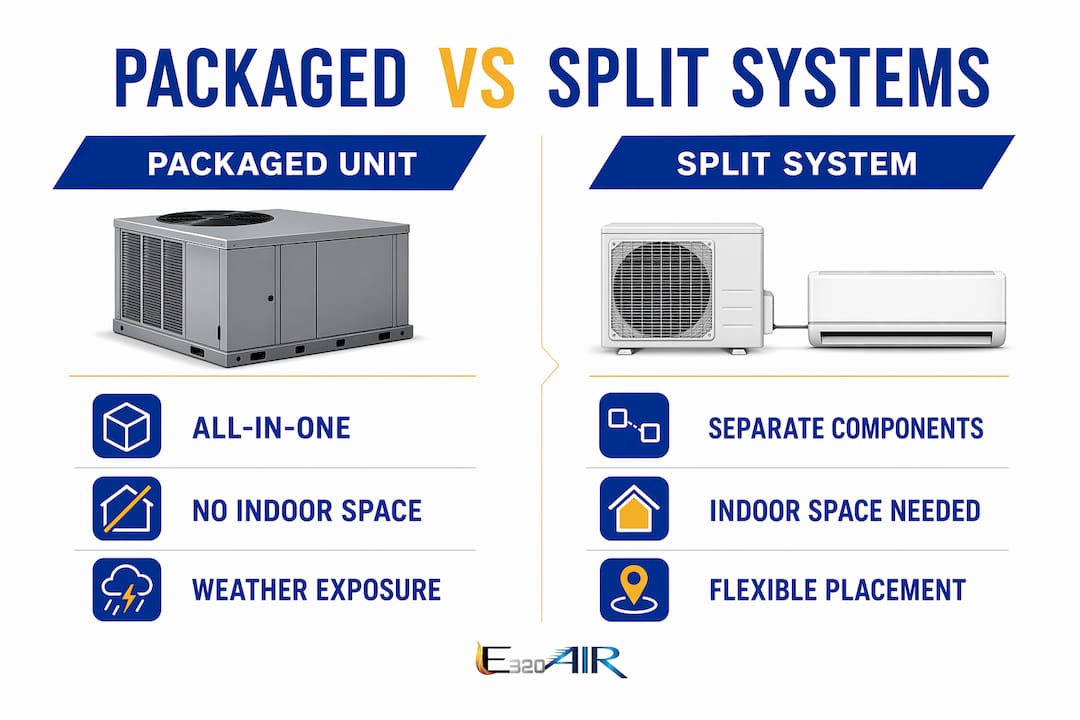
The advantages of packaged systems are real and specific. Installation is faster because there's no indoor air handler to mount, no refrigerant lines to run through walls, and no secondary drain pan to worry about. For property managers overseeing multiple units in a complex, that speed adds up fast.
The limitations are equally real. Because the entire system lives outdoors, it faces weather exposure year-round. Rain, UV radiation, debris, and temperature swings all affect the cabinet and components over time. Packaged units also tend to have slightly lower SEER (Seasonal Energy Efficiency Ratio) ratings than premium split systems, though the gap has narrowed considerably in recent years.
Packaged air conditioning units also free up indoor square footage that a split system would consume. For a small home or a manufactured housing unit, reclaiming a utility closet or basement corner is a genuine quality-of-life improvement.
For a broader look at how packaged units compare to other system types, the HVAC system comparison guide at E320air's blog breaks down options by home type and climate.
Where are packaged HVAC units typically installed?
Packaged units install in three primary locations, and each has specific requirements.
- Rooftop installations are common in commercial buildings and some single-story homes. The unit sits on a roof curb, and ductwork drops through the ceiling into the building. Roof load capacity and waterproofing around the curb are critical considerations.
- Concrete slab installations place the unit at ground level beside the home. This is the most common setup for residential packaged systems. The slab must be level, elevated slightly above grade to prevent water intrusion, and positioned for clear airflow on all sides.
- Crawl space or side-yard installations work for homes where rooftop access isn't practical and slab space is tight. Clearance for maintenance access is the main concern here.
Proper placement affects both performance and longevity. A unit installed too close to a wall or fence will recirculate hot exhaust air, reducing efficiency and stressing the compressor. Most manufacturers specify a minimum clearance of 18–24 inches on the service side and 12 inches on other sides, though you should always check the specific model's installation manual.
Pro Tip: Before installation day, have your contractor confirm that existing ductwork is sized correctly for the new unit. Undersized ducts are one of the most common causes of poor performance in packaged system installs.
Climate also shapes placement decisions. In areas with heavy snowfall, rooftop installations avoid ground-level snow accumulation that can block airflow or damage the cabinet. In coastal regions, elevated slabs and corrosion-resistant cabinet coatings matter more than in dry inland climates.
For a detailed walkthrough of what to expect during setup, E320air's HVAC startup process guide covers the full installation sequence from site prep to first startup.
How to maintain and extend the life of a packaged HVAC unit
A well-maintained packaged system lasts 15–20 years. Neglected units often fail well before that window. Because all components sit outdoors, maintenance priorities differ from a split system.
- Inspect the cabinet exterior twice a year. Look for rust spots, dents, and gaps in the cabinet panels. Exterior seals and rust-prone parts degrade faster on packaged units than on indoor components. Catch surface rust early and treat it before it spreads to structural parts.
- Clean the condenser and evaporator coils annually. Dirt on the coils forces the system to work harder, raising energy bills and shortening compressor life. A garden hose rinse works for light debris. Heavy buildup needs a professional coil cleaner.
- Clear debris from around the unit. Leaves, grass clippings, and mulch block airflow and trap moisture against the cabinet. Keep a clear perimeter of at least 18 inches at all times.
- Check and replace the air filter monthly. Packaged units use the same filter types as split systems. A clogged filter restricts airflow, reduces efficiency, and can cause the evaporator coil to freeze.
- Schedule a professional tune-up once a year. A technician will check refrigerant levels, test electrical connections, lubricate moving parts, and verify that the heating elements are functioning correctly. This single visit catches most problems before they become expensive repairs.
Preventing wear before it starts is the most cost-effective strategy. The HVAC wear prevention guide from Air and Dryer Vent Cleaning Avondale covers specific steps homeowners can take between professional visits. For a broader maintenance checklist, E320air's lifespan extension guide applies directly to packaged units.
Key takeaways
A packaged HVAC unit is the right choice when indoor space is limited, installation speed matters, and outdoor placement is practical for your property type.
| Point | Details |
|---|---|
| All-in-one outdoor design | Every component sits in one cabinet, eliminating the need for indoor mechanical space. |
| Four system configurations | Choose gas-electric, heat pump, straight cool, or dual-fuel based on your climate and energy costs. |
| Faster, simpler installation | Fewer indoor connections reduce installation time and lower refrigerant leak risk inside the home. |
| Outdoor exposure requires more upkeep | Inspect for rust, debris, and seal integrity at least twice a year to protect the cabinet. |
| Lifespan of 15–20 years | Consistent professional maintenance and annual tune-ups are what get you to the top of that range. |
What i've learned after years of installing packaged systems
Most homeowners assume packaged units are a compromise. They think "everything in one box outside" means lower quality or fewer options. That's not accurate. I've installed packaged systems in homes where a split system would have been genuinely impractical, and the owners have been satisfied for years.
The scenario where packaged units shine most is slab-on-grade construction with no attic or basement. There's simply nowhere to put an air handler indoors. A packaged unit solves that problem cleanly, and the installation is often faster and less disruptive than running refrigerant lines through finished walls.
Where I see homeowners go wrong is ignoring the outdoor maintenance piece. Because the unit isn't in the house, it's out of sight and out of mind. Six months pass, then a year, and nobody has looked at the cabinet. By the time something fails, rust has compromised the base pan or debris has packed the coil solid. The fix is simple: put a reminder on your calendar for spring and fall, walk outside, and spend five minutes looking at the unit. That habit alone extends system life more than any single repair.
My honest recommendation is this: if your property layout suits a packaged system, don't let anyone talk you out of it based on reputation alone. Choose the right configuration for your climate, install it correctly, and maintain it consistently. The results are reliable.
— Edward
Get professional help with your packaged HVAC system
Whether you're replacing an aging unit or installing a packaged system for the first time, the quality of the installation determines how well the system performs for the next 15–20 years. E320air specializes in residential and commercial packaged HVAC installations, repairs, and preventive maintenance across the area.
The E320air team evaluates your property layout, ductwork condition, and climate needs before recommending a system configuration. From rooftop installs to slab placements, the work is done right the first time. Visit E320air's HVAC installation page to schedule an assessment, or browse the full service offerings to see how E320air can help with your packaged unit needs.
FAQ
What is a packaged HVAC unit in simple terms?
A packaged HVAC unit is a single outdoor cabinet that contains all heating and cooling components, including the compressor, coils, blower, and heating elements. It connects directly to your home's ductwork without requiring any indoor equipment.
How long does a packaged HVAC unit last?
A well-maintained packaged unit lasts between 15 and 20 years. Regular professional tune-ups and consistent exterior inspections are the primary factors that determine where in that range your system lands.
Are packaged units good for mobile or manufactured homes?
Packaged systems are ideal for mobile and manufactured homes because these structures typically lack the indoor mechanical space needed for a split system's air handler or furnace.
What are the main types of packaged HVAC systems?
The four main types are straight cool with electric heat strips, heat pump, gas-electric, and dual-fuel. Your climate and local energy costs determine which configuration delivers the best efficiency and comfort.
How often should a packaged HVAC unit be serviced?
A packaged unit should receive a professional tune-up once a year and a homeowner exterior inspection at least twice a year, once in spring and once in fall, to catch rust, debris, and seal issues early.