
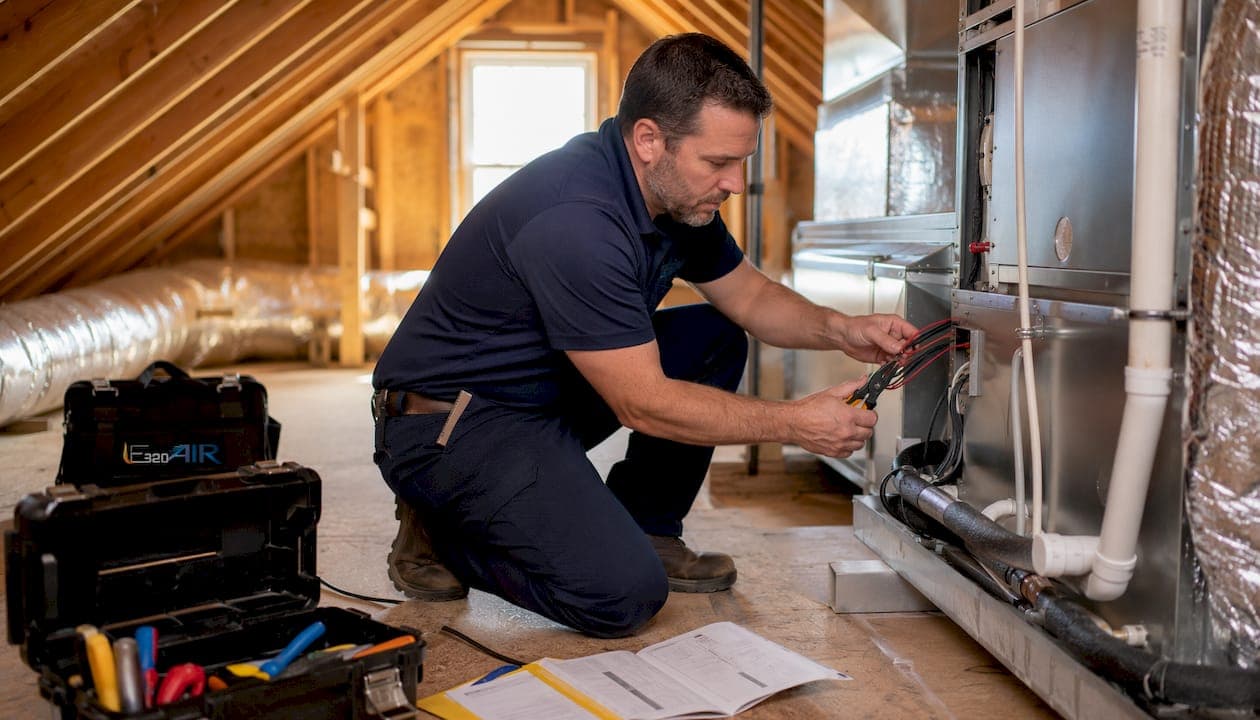
HVAC equipment staging is the ability of a heating or cooling system to operate at more than one capacity level, rather than simply switching between full power and off. Instead of blasting at 100% every time your thermostat calls for cooling, a staged system can run at a lower speed for mild conditions and ramp up only when the heat is genuinely extreme. Smart staging can cut energy costs by 15–30% compared to single-stage units, and the comfort difference is just as real as the savings.
Here is what that looks like in practice:
- Single-stage: Full capacity or off. Simple, affordable, but less efficient.
- Two-stage: Runs at roughly 65% capacity in low stage, 100% in high stage. Better efficiency and humidity control than single-stage.
- Variable-speed: Modulates continuously across hundreds of capacity levels (can have more than 700 speed settings), providing the best efficiency, quietest operation, and superior humidity management.
Proper staging also depends on compatible controls. A two-stage system paired with a single-stage thermostat will default to full-power operation every cycle, wiping out the efficiency gains entirely. ASHRAE and EPA standards both recognize staged operation as a key factor in residential energy performance.
What are the main types of HVAC staging systems?
Single-stage systems are the baseline. The compressor runs at full rated capacity whenever the thermostat calls, then shuts off completely. On a mild spring afternoon, that means short, frequent cycles that leave the evaporator coil too little time to pull moisture from the air. The result is a home that feels clammy even when the temperature reads correctly.
Two-stage systems solve that problem by adding a lower gear. The low stage handles most operating hours under normal conditions, running longer and quieter while keeping the coil active long enough for real dehumidification. High stage kicks in only when outdoor temperatures spike. Two-stage systems outperform single-stage units on humidity removal, and variable-speed systems are the best option for humidity regulation overall.
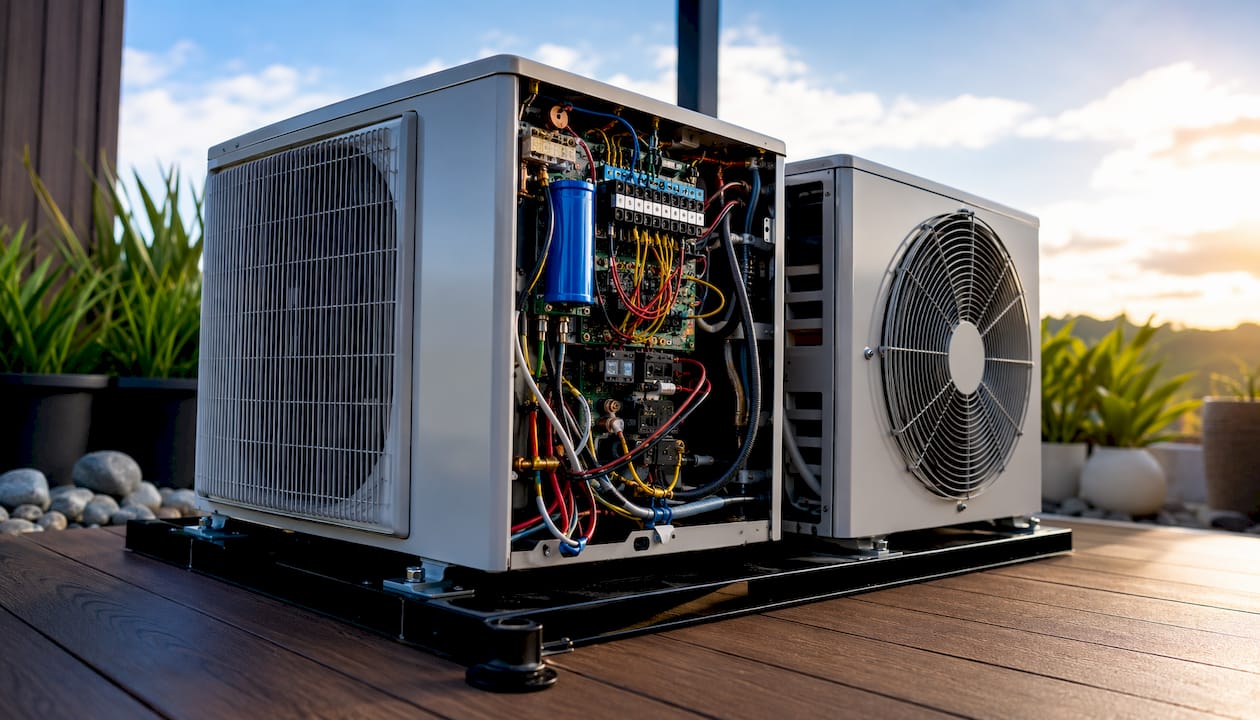
Variable-speed systems take modulation further. American Standard's variable-speed units, for example, offer more than 700 speed settings, letting the system match output almost exactly to the load at any given moment. They maintain setpoint temperature within half a degree, run at lower speeds for most of their operating hours, and draw less power as a result. The upfront cost is higher, but operating costs over the system’s lifetime tend to favor variable-speed units in many climate zones.
Key attributes at a glance:
- Single-stage: One capacity level (100%), lowest upfront cost, highest operating cost, limited humidity control
- Two-stage: Two levels (low ~65%, high 100%), better efficiency and comfort, moderate cost premium
- Variable-speed: Hundreds of capacity levels (can have more than 700 speed settings), best efficiency and humidity control, highest upfront investment
- Thermostat requirement: Single-stage thermostats work only with single-stage equipment; two-stage and variable-speed systems need compatible multi-stage thermostats with Y1/Y2 and W1/W2 terminals
How does the HVAC staging installation process work?
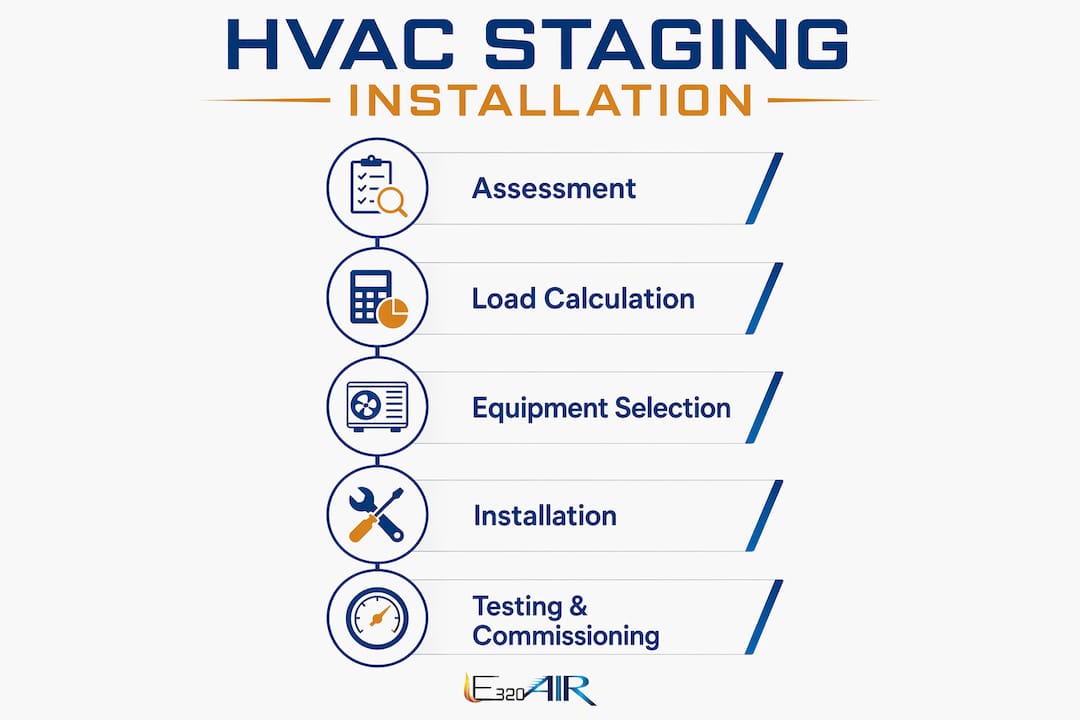
A staged HVAC installation follows a structured sequence. Skipping or rushing any phase creates problems that show up months later as comfort complaints or failed inspections. The full residential timeline from initial assessment to permit closeout typically spans one to five days of active work, with permit approval adding anywhere from 24 hours to three weeks depending on the local authority.
Pro Tip: A two-stage or variable-speed system installed with the wrong thermostat will run at full capacity every cycle. Commissioning is the step that catches this before you live with it.
The six standard phases:
- Load calculation and equipment selection: A contractor performs a Manual J calculation per ACCA standards to determine the correct system size and staging type for your home's specific heat gain and loss profile.
- Permit application: A mechanical permit is submitted to the local authority having jurisdiction (AHJ). Most U.S. jurisdictions require this for any HVAC replacement or new installation.
- Site preparation and old equipment removal: Existing refrigerant is recovered by an EPA Section 608-certified technician. Ductwork is inspected and modified as needed.
- Equipment installation: Indoor and outdoor units are set, refrigerant lines are run and insulated, electrical connections are made, and condensate drainage is routed per IMC Section 307.
- Startup and commissioning: Refrigerant charge is verified, airflow is measured at each register, and thermostat wiring is confirmed. For staged systems, commissioning verifies that low-stage airflow meets manufacturer minimum CFM specs and that staging sequences operate correctly.
- Inspection and permit closeout: A building inspector checks duct connections, refrigerant line insulation, disconnect switch placement, and condensate trap depth before signing off.
Relevant codes governing this process include the International Mechanical Code (IMC), the International Residential Code (IRC), the International Energy Conservation Code (IECC), and EPA Section 608 for refrigerant handling.
How do you choose the right staging system for your property?
The right staging type depends on three things: your home's size and layout, your local climate, and your comfort priorities. A Manual J load calculation is the non-negotiable starting point. Without it, you are guessing at system size, and an oversized staged system short-cycles just as badly as an oversized single-stage unit.
Small apartments and condos with moderate cooling loads generally do fine with single-stage or two-stage equipment. The right-sizing question matters as much as staging type here: an overpowered unit in a small space will short-cycle regardless of how many stages it has. Larger suburban homes, especially those in humid climates like the Southeast or Gulf Coast, benefit most from two-stage or variable-speed systems because of the extended run times that pull moisture out of the air.
Pro Tip: Consult with an experienced HVAC professional like E320air for a full audit before selecting a staging type. The right system for your neighbor's house may be the wrong one for yours.
Property type and staging recommendations:
- Small apartments: Single-stage or two-stage; prioritize correct sizing over staging complexity
- Suburban family homes: Two-stage or variable-speed; better humidity control and energy savings justify the cost
- Large or luxury homes: Variable-speed or zoning systems; precise climate control across multiple areas
- Humid climates (Southeast, Gulf Coast): Two-stage minimum; variable-speed preferred for best dehumidification
Staging choice also affects long-term maintenance. Variable-speed systems run at lower speeds more often, which reduces mechanical stress on the compressor and typically extends equipment lifespan compared to single-stage units cycling on and off repeatedly.
How does HVAC staging work with smart home systems?
Smart thermostats and HVAC staging are designed for each other. A smart thermostat reads indoor temperature, outdoor conditions, and your schedule, then decides automatically which stage to engage. If your home is two degrees below setpoint, stage one starts. If it is four degrees off or stage one has been running for 10–15 minutes without hitting target, the system stages up. You never have to think about it.
Zone control systems take this further by dividing your home into separate temperature areas, each with its own thermostat and dampers. A smart zone system can stage equipment based on how many zones are actively calling for conditioning, which reduces total runtime and energy draw. The most advanced setups use communicating controls where the thermostat talks directly to the HVAC equipment, enabling the kind of precise modulation that variable-speed systems are built for. Platforms like Google Nest and Ecobee support multi-stage wiring out of the box, but you need to verify your equipment's staging terminals before assuming compatibility.
E320air handles staged HVAC installations from start to finish
Staged HVAC systems deliver real efficiency and comfort gains, but only when they are sized, installed, and commissioned correctly. That is exactly where most DIY or cut-rate installations fall short.
E320air specializes in residential and commercial HVAC installation, including full Manual J load calculations, code-compliant permitting, and thorough commissioning that confirms your staged system actually operates the way it was designed to. Whether you are upgrading from a single-stage system or installing new equipment in a property, E320air's team handles every phase, from equipment selection through final inspection. Visit E320air to schedule a consultation or request a staging assessment for your home.
Key Takeaways
HVAC equipment staging delivers meaningful energy savings and comfort improvements only when the system type, thermostat, and installation process are all properly matched to your property's needs.
| Point | Details |
|---|---|
| Staging cuts energy costs | Smart staging reduces energy bills by 15–30% compared to single-stage systems. |
| Variable-speed leads on humidity | Variable-speed systems offer the best humidity control, ideal for humid U.S. climates. |
| Thermostat compatibility is critical | A two-stage system paired with a single-stage thermostat defaults to full-power operation, losing all staging benefits. |
| Manual J sizing comes first | A professional load calculation is required before selecting any staging type to avoid oversizing or undersizing. |
| E320air covers the full process | E320air provides load calculations, code-compliant installation, and commissioning for staged HVAC systems. |