
TL;DR:
- Replacing an HVAC system requires proper assessment, sizing, and compliance with local codes.
- Choosing licensed, experienced contractors ensures warranty protection and installation quality.
- Following all installation steps, permits, and inspections prevents costly future problems.
Replacing your HVAC system in California's Inland Empire is not as simple as swapping out old equipment for new. Between rising energy bills, scorching summers that push systems past their limits, and California's strict efficiency and permitting requirements, homeowners face a process with real consequences at every turn. Get it right and you end up with lower utility costs, better comfort, and a more valuable home. Get it wrong and you could face code violations, voided warranties, or a system that still underperforms. This guide walks you through every stage so you can approach the process with confidence and avoid expensive missteps.
Table of Contents
- Assessing your replacement needs
- Choosing the right system and contractor
- The installation process: step-by-step walkthrough
- Final checks, inspection, and ongoing maintenance
- Why skipping steps in HVAC replacement is a costly mistake
- Next steps: schedule your HVAC replacement with local experts
- Frequently asked questions
Key Takeaways
| Point | Details |
|---|---|
| Proper assessment | Begin with a clear understanding of your system’s condition and local requirements. |
| Choose qualified pros | Select licensed, experienced contractors who handle permits and documentation. |
| Don’t skip steps | Inspection, commissioning, and paperwork are crucial for lasting comfort and compliance. |
| Document everything | Keep all records to protect warranties and boost home value. |
Assessing your replacement needs
Knowing when to replace rather than repair is the first and most important decision you will make. Several warning signs point toward replacement:
- Rising energy bills with no change in usage habits
- Frequent breakdowns or repair calls more than once a year
- Uneven temperatures across rooms, especially in summer
- Loud or unusual noises from your air handler or outdoor unit
- System age over 10 to 15 years, particularly for air conditioners
The Inland Empire's climate is uniquely demanding. Summer temperatures routinely hit triple digits in cities like Riverside, San Bernardino, and Hemet. That kind of heat load runs HVAC equipment hard for months at a stretch. Older systems often cost more to run than to replace, especially when they are operating below their original efficiency rating.
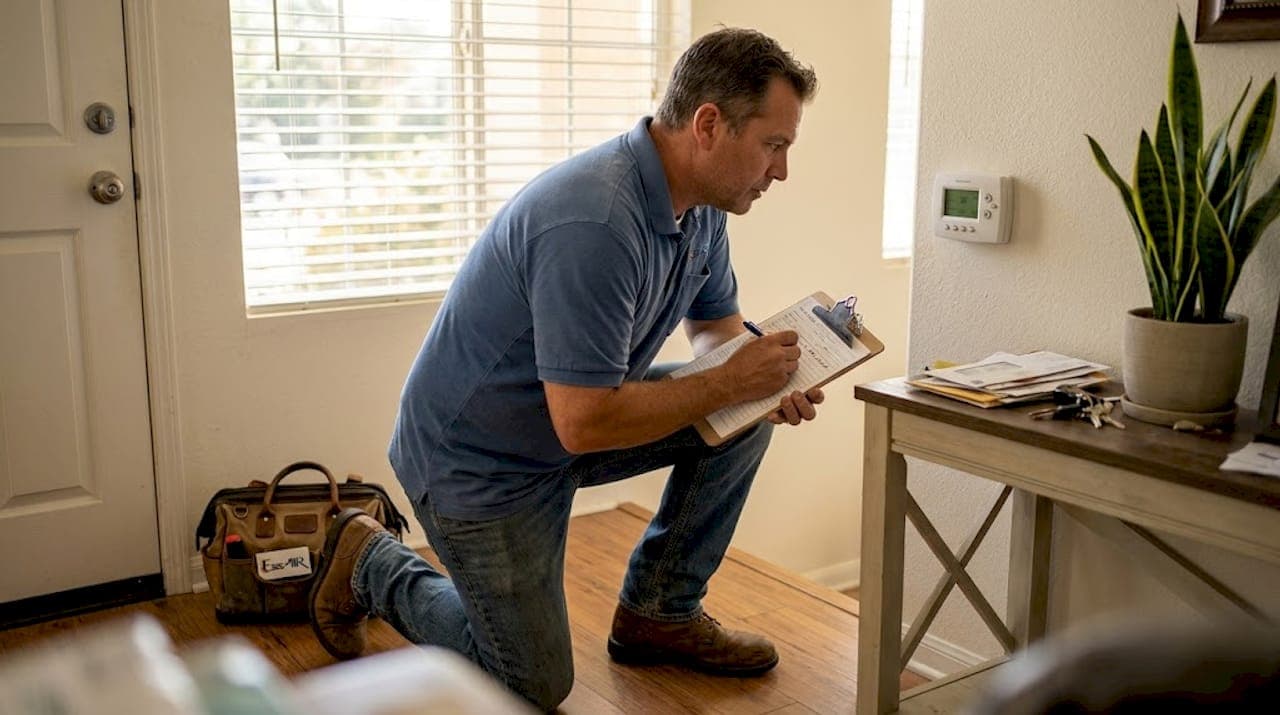
Your initial assessment should cover system age, how often you've needed repairs, current comfort levels, and recent utility bills. Understanding what HVAC contractors do during an evaluation visit helps you ask the right questions and interpret what you're being told.
Pro Tip: Before your first contractor call, write down your system's model and serial numbers, the date of your last repair, and a brief description of every issue you've noticed. This saves time and helps the contractor give you a more accurate assessment.
Expert insight: Request a written summary of existing system conditions before any work begins. Pre-installation documentation protects you if disputes arise later and gives you a baseline to measure your new system's performance against.
Exploring the best replacement options in California early in this process also helps you set realistic budget expectations before you start talking to contractors.
Choosing the right system and contractor
Once you know replacement is needed, the next step is picking the ideal system and trustworthy installer. This stage is where many homeowners make their biggest mistakes, usually by choosing on price alone.
Vetting a local contractor takes more than checking a review site. Here is what to look for:
- Valid California C-20 license for HVAC work
- Knowledge of local building codes specific to your city or county
- References from recent projects in the Inland Empire
- Willingness to pull permits and manage all documentation
- Written, itemized quotes that break down equipment, labor, and permit costs
Permit handling and equipment documentation are critical to protect warranties and ensure compliance. Any contractor who suggests skipping the permit process is a red flag.
System sizing matters enormously in the Inland Empire. An undersized unit runs constantly without cooling your home. An oversized unit short-cycles, wastes energy, and wears out faster. Proper HVAC system sizing is based on a Manual J load calculation, not a guess based on square footage.
SEER ratings (Seasonal Energy Efficiency Ratio) directly impact your monthly bills. California's minimum standard is currently SEER2 14.3 for split systems. Higher-rated systems cost more upfront but often pay back the difference within a few years.
| Feature | Basic system | Premium system |
|---|---|---|
| SEER2 rating | 14.3 to 15 | 18 to 22+ |
| Estimated annual savings | Moderate | High |
| Warranty | 5 to 10 years | 10 to 12 years |
| Smart thermostat compatible | Sometimes | Yes |
| Noise level | Standard | Noticeably quieter |
Pro Tip: Insist your qualified HVAC contractor provides commissioning verification in writing before you sign off on the final invoice. This document confirms the system was tested and performing within spec.
The installation process: step-by-step walkthrough
Now that you've picked your system and contractor, let's walk through what actually happens on installation day.
- Permit posting: Before any equipment is touched, the permit must be posted on your property.
- Old system removal: Your contractor disconnects and removes the existing air handler, condenser, and any outdated components.
- Site preparation: Refrigerant lines, electrical connections, and ductwork are inspected and prepared for the new equipment.
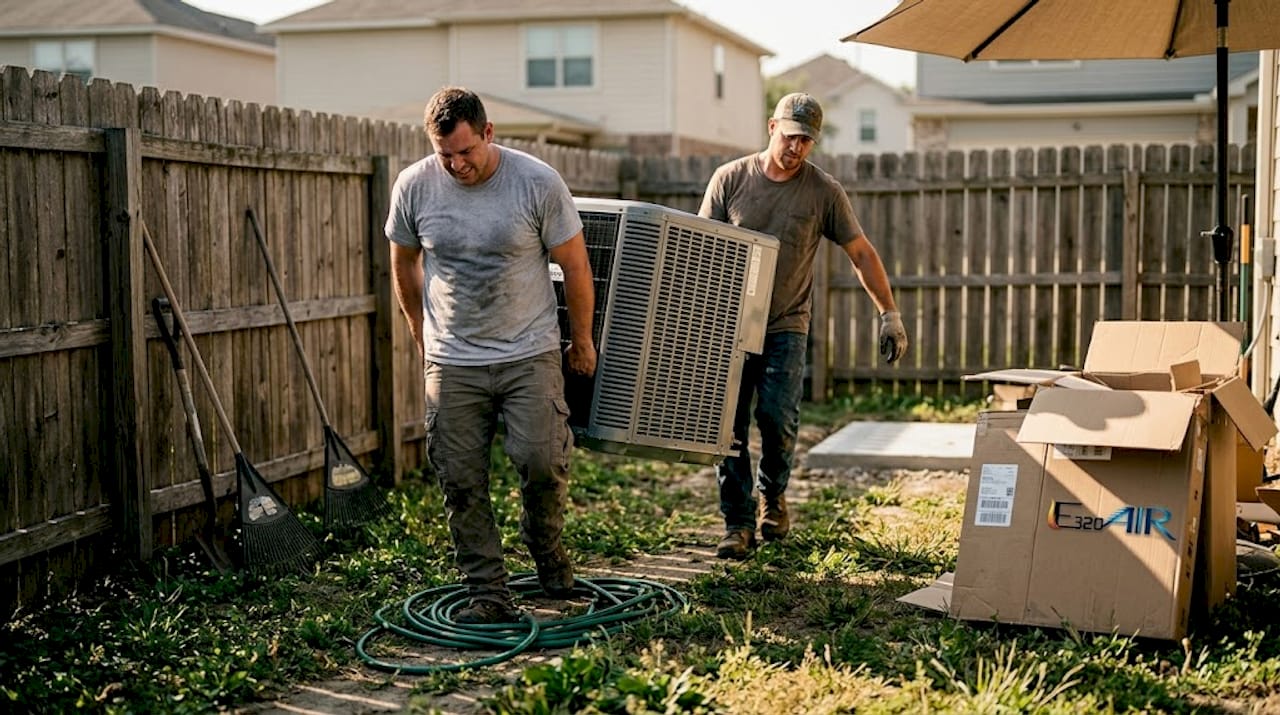
- New equipment installation: The indoor air handler and outdoor condenser are set in place and connected.
- Refrigerant charge: The system is charged with the correct refrigerant type and amount.
- Electrical connections: All wiring is completed and tested to code.
- Thermostat setup: The new thermostat is installed, programmed, and tested.
- Commissioning: Airflow, temperatures, and system pressures are measured and recorded.
- Inspection: A city or county inspector visits to verify the work meets code.
Commissioning verification is now required in many California projects to validate performance and protect warranties. This is not optional, and any contractor who skips it is putting your warranty at risk.
| Phase | Typical timeframe |
|---|---|
| Permit posting and site prep | Morning, first 1 to 2 hours |
| Equipment removal | Hours 2 to 3 |
| New system installation | Hours 3 to 6 |
| Commissioning and testing | Hours 6 to 7 |
| Inspection scheduling | Same day or next day |
The AC installation workflow used by experienced Inland Empire contractors follows this sequence closely. For full details on what each phase involves, the HVAC installation service page walks through what to expect.
Pro Tip: Do not sign off on the job until you have reviewed the commissioning report and confirmed the system is hitting its designed temperature split. This reading should show roughly 15 to 20 degrees Fahrenheit difference between supply and return air.
Keep all installation documentation. Your insurance company, future buyer, and equipment manufacturer can all ask for it.
Final checks, inspection, and ongoing maintenance
Once installation wraps up, there are a few more steps to ensure your system remains efficient and legal.
The final code inspection is not a formality. A city or county inspector will verify that the permit was properly pulled, the equipment matches what was approved, and the installation meets current code. This visit protects you legally and keeps your warranty intact.
Final inspection and ongoing maintenance are required for manufacturer warranty and local compliance. Make sure your contractor schedules this inspection and does not close the job until it passes.
Here is what you should have in hand before your contractor leaves:
- Signed permit and inspection paperwork from the city or county
- Equipment manuals for your air handler, condenser, and thermostat
- Warranty registration confirmation from the manufacturer
- Commissioning report with measured performance data
- Maintenance schedule specific to your new equipment
Pro Tip: Start a dedicated folder, either digital or physical, to store all of this paperwork. Include photos of your equipment labels and installation. You will thank yourself when it comes time to service the system or sell your home.
Scheduling your first annual maintenance visit before the next summer peak is smart planning. Learning about managing seasonal HVAC needs in Riverside County helps you stay ahead of issues. Consistent maintenance also plays a big role in improving indoor air quality, which matters especially in the Inland Empire where dust and pollen levels run high.
Why skipping steps in HVAC replacement is a costly mistake
After years of working with Inland Empire homeowners, we've seen the pattern repeat itself too many times. A homeowner gets a quote that seems reasonable, the contractor installs the equipment quickly, and everything looks fine until it isn't. The problems show up months later, sometimes years later, and they are almost always tied to steps that were skipped to move faster or save a little money.
Permit handling and proper documentation safeguard warranties and compliance. When those steps are missing, the manufacturer has grounds to deny warranty claims. A home buyer's inspector will flag an unpermitted HVAC installation during escrow, which can kill a sale or force a costly correction.
Inland Empire code inspectors are thorough. Some homeowners find that frustrating. We think it is one of the best things about living and owning property here. A meticulous inspector means your installation was done right. That translates to fewer breakdowns, real warranty coverage, and a home that commands a better price when you are ready to sell.
The installation workflow insights we have developed over years of local work are built around doing every step correctly the first time. That approach protects our clients and it protects their investment. The homeowners who skip steps to save a few hundred dollars often end up spending far more to fix problems down the road.
Next steps: schedule your HVAC replacement with local experts
Now that you know each stage, take the next step with local pros who respect the process.
At E320 Air, we specialize in compliant, high-efficiency HVAC installation for Inland Empire homeowners who want the job done right the first time. We handle permits, commissioning, and documentation so you don't have to chase paperwork or wonder if your warranty is protected.

Want to see what quality work looks like before you commit? Browse our real HVAC replacements in the problem-solving gallery for photos and project examples from homes just like yours. When you are ready to move forward, the E320 Air experts are here to schedule your consultation and get your home ready for whatever the Inland Empire summer brings.
Frequently asked questions
How long does an HVAC replacement typically take?
Most HVAC replacements are completed in one to two days, though permit and inspection scheduling can extend the timeline depending on your city or county.
Are permits really necessary for HVAC replacements in California?
Yes, permits are legally required in California. Permit handling ensures warranty compliance and protects you during resale or insurance claims.
What documentation should I receive after my HVAC replacement?
You should receive signed permits, inspection forms, equipment manuals, warranty registration confirmation, and a commissioning report. Keeping records of all equipment and inspections safeguards your warranty coverage.
How can I ensure my new HVAC system will be energy efficient?
Choose a properly sized system with a high SEER2 rating and confirm that your contractor completes commissioning and airflow checks. Proper sizing and commissioning are the two biggest factors in real-world efficiency.