
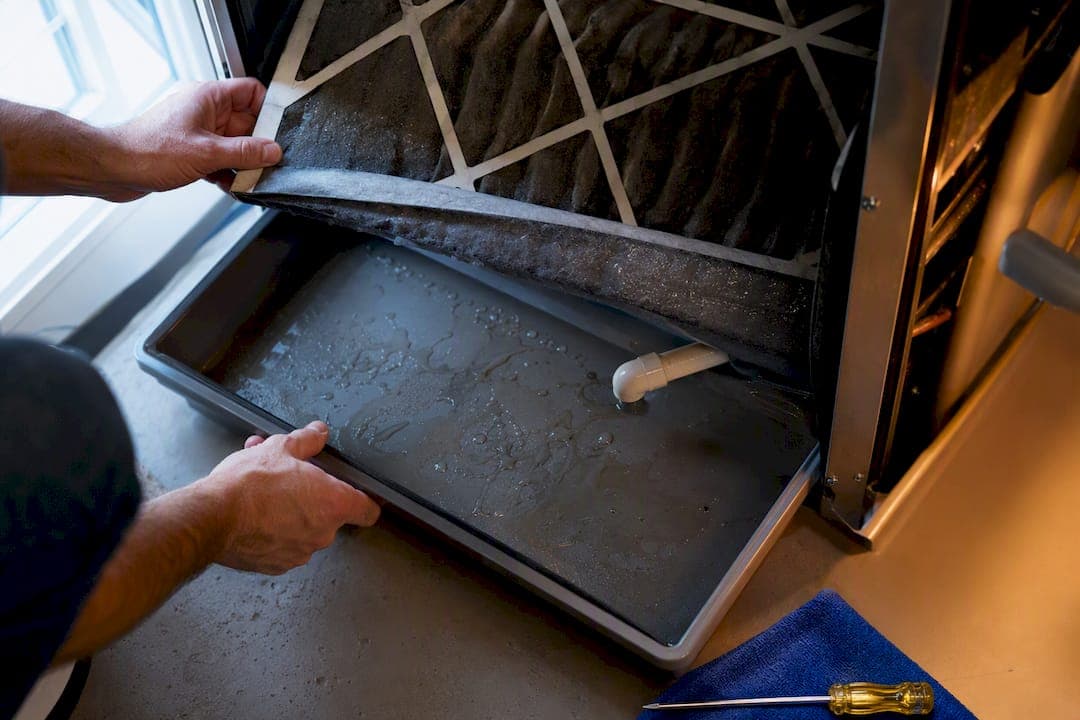
A musty smell from your AC almost always means mold or mildew is growing somewhere moisture collects: the drain pan, the evaporator coil, a damp filter, or the ductwork. If the odor isn't burning, chemical, or like rotten eggs, it's safe to start basic troubleshooting yourself. Check the filter and flush the condensate drain first.
TL;DR:
- Most musty AC odors stem from mold or mildew growth in the drain pan, evaporator coil, filter, or ductwork due to trapped moisture.
- Pinpointing the smell's source involves checking near the indoor unit, inspecting vents, and performing simple tests like tissue fluttering or filter inspection.
- Homeowners can typically resolve the issue by replacing or cleaning filters, flushing the drain line, and drying out the coil and ducts, without needing expert help.
- Persistent odors beyond 24 hours, visible mold, recurring drain clogs, or electrical smells indicate a need for professional diagnosis and treatment.
- Routine maintenance such as regular filter replacements, cleaning the drain system, and controlling indoor humidity prevents mold buildup and recurring musty smells.
Table of Contents
- What Causes That Musty AC Smell?
- How Do You Find Where the Smell Is Coming From?
- Step-by-Step: How to Get Rid of the Musty Smell Yourself
- When Should You Call an HVAC Professional?
- How Do You Stop the Musty Smell From Coming Back?
- What Do Technicians Catch That Homeowners Miss?
- Getting Ready for a Service Visit
- Get Your AC's Musty Smell Diagnosed and Fixed for Good
- Sources
What Causes That Musty AC Smell?
A musty odor almost always traces back to trapped moisture, and your AC has several spots where water can sit undisturbed for weeks. Here's where the smell usually starts:
- Clogged condensate drain line: Standing water in the drain pan is one of the top causes of musty AC smells, and it often clears up once the line is flushed.
- Mold on the evaporator coil: Coils stay cold and wet during operation, which makes them a prime breeding ground for the "dirty sock" smell many homeowners describe.
- A dirty or saturated air filter: A filter loaded with dust and moisture traps mold spores and pushes that smell straight into your living room.
- Mold inside the ductwork or return plenum: Once spores settle in the ducts, they can keep circulating a musty smell throughout the house long after the coil is clean.
- Frozen coils or poor airflow: Ice that forms on a coil melts into extra water your drain system wasn't built to handle, which feeds the whole cycle. A system that keeps freezing up is often the root cause behind a recurring odor.
How Do You Find Where the Smell Is Coming From?
Pinpointing the source saves you from cleaning parts that were never the problem. Work through these checks in order:
- Smell near the indoor unit first. If the odor is strongest right at the air handler, the coil or drain pan is the likely source.
- Check individual vents and returns. A smell that's worse at certain registers points to mold growing inside specific duct runs.
- Look for visible clues. Water stains, standing water in the drain pan, or dark spots around registers confirm what your nose is telling you.
- Run the tissue test. Hold a tissue near a vent with the system running. Erratic flutter or weak airflow can signal a clogged coil or duct blockage feeding the moisture problem.
- Pull the filter and inspect it. A gray, damp, or visibly dirty filter is often the easiest fix and the first thing worth ruling out.
Pro Tip: Smell the air with the system off, then again five minutes after it kicks on. If the odor only shows up once air is moving, that's a strong sign it's living in the ducts, not just the unit itself.
If what you're smelling is burning, chemical, or like rotten eggs instead of musty, turn the system off immediately and call a professional. That's not a mold problem.
Step-by-Step: How to Get Rid of the Musty Smell Yourself
Work through these fixes in order, from easiest to most involved. Most homeowners solve the problem before reaching step four.
- Replace or clean the filter. Note the filter type and date it, so you know exactly when it's due again. If you're not sure which filter fits your system, this filter guide walks through sizing and MERV ratings, and reusable filters get their own cleaning steps in this Claremont guide.
- Flush the condensate drain line. Locate the access point (usually a T-shaped PVC fitting near the indoor unit), remove the cap, and pour a mix of equal parts white vinegar and water down the line. A wet/dry vacuum on the outside drain opening works even faster if the clog is stubborn.
- Empty and clean the drain pan. Wipe it out with soap and water, and inspect for cracks or rust that could be letting water pool instead of draining. A clogged drain and standing water in the pan is the single most common cause of this smell, so don't skip this step.
- Clean light coil buildup with a consumer coil cleaner. These foaming sprays work on surface-level grime, but if the coil is heavily coated, that's a job for a technician with professional-grade equipment.
- Run the fan or dry mode for a few hours. This helps dry out any residual moisture in the ducts and coil after cleaning, instead of letting it sit and regrow mold.
Skip the scented sprays and odor bombs. They mask the smell instead of removing the mold causing it, and the odor comes right back once the spray wears off.
Set your expectations honestly: some homes see the smell disappear within hours. Seasonal musty smells after a long idle period often fade within a day of running the system after a filter swap. Others take closer to 24 hours after a full cleaning cycle, especially if the ducts were affected.
When Should You Call an HVAC Professional?
DIY fixes solve most musty odors, but certain signs mean it's time to stop troubleshooting and pick up the phone.
- The smell persists more than 24 hours after you've replaced the filter and flushed the drain.
- You see visible mold growth in the ductwork, registers, or around the air handler.
- The drain keeps clogging repeatedly, or you spot water damage on nearby walls, ceilings, or flooring.
- The coil has frozen over, or you smell anything electrical, like burning plastic, or like rotten eggs. Shut the system down and call immediately in that case.
A qualified technician brings tools you don't have at home: a drain-line camera to spot blockages you can't see, deep coil cleaning equipment, moisture meters, and duct inspections that follow NADCA cleaning standards. If mold spores have been circulating through your ducts for a while, addressing the problem promptly matters more if anyone in the home has allergies or respiratory sensitivities.
How Do You Stop the Musty Smell From Coming Back?
Prevention here is mostly about routine, not equipment. A few habits keep moisture from ever building up enough to smell.
- Replace your filter every 30 to 90 days, depending on the filter type and how much dust or pet hair your home generates. Higher-quality filters last longer but still need a set schedule; this filter breakdown covers which rating fits your situation.
- Flush the condensate drain every three months, and clean the drain pan at least once a year, before your system works hardest in peak summer.
- Keep indoor humidity below 60%. Moldy smells tend to return when humidity sits above that threshold consistently, so a dehumidifier is worth considering in humid climates or homes with poor ventilation.
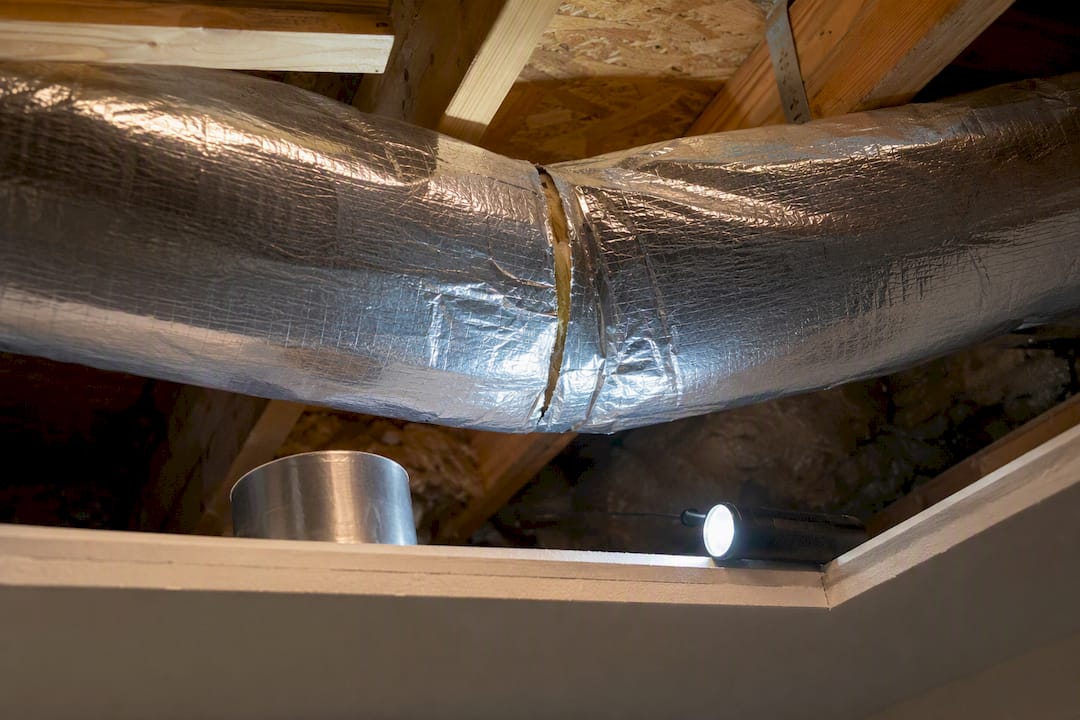
- Book an annual professional tune-up and have your ducts inspected periodically for leaks or gaps that let moisture in.
Pro Tip: Mark your filter change date directly on the filter frame with a marker. It sounds simple, but it's the easiest way to stop guessing whether you're on schedule.
Sealing gaps in your ductwork does double duty: it stops conditioned air from leaking out, and it keeps humid outside air from sneaking in and feeding mold growth. This guide on preventing HVAC leaks covers where those gaps usually hide.
What Do Technicians Catch That Homeowners Miss?
Surface-level coil cleaning often fails because it only wipes away what's visible. Heavier mold or bacterial buildup on the coil sometimes needs a foaming cleaner applied more than once, followed by a rinse that a spray bottle from the hardware store just can't replicate.
Leaky ducts and an oversized system are two causes homeowners rarely suspect. An oversized AC cools the air fast but shuts off before it removes enough humidity, leaving damp air circulating through the ductwork on every cycle. A whole-house dehumidifier is often the right long-term answer when humidity keeps creeping back regardless of how clean the coil is.
When you do call a technician, ask specifically for moisture readings, a drain-line camera inspection, and whether the ducts need NADCA-standard cleaning versus a basic surface wipe.

Getting Ready for a Service Visit
Before a technician arrives, take a few photos: the drain pan, the filter, and any visible staining near vents. Note your filter's age and where the smell hits hardest, whether that's near the unit or specific rooms. That handful of details cuts diagnostic time significantly and helps the technician zero in on the actual source instead of starting from scratch.
Early inspection also limits how long mold spores circulate through your air, which matters more than people think if anyone in the house deals with allergies. Run through the troubleshooting checklist above first. It tells you whether you're dealing with a quick filter swap or something that needs a same-day emergency call.
— Edward
Get Your AC's Musty Smell Diagnosed and Fixed for Good
If you've flushed the drain, swapped the filter, and the smell keeps coming back, the issue is probably somewhere you can't reach with a vinegar solution and a shop vac. That's where a diagnostic visit pays for itself. E320air's technicians run moisture readings, inspect the coil and drain system directly, and check the ductwork for the kind of hidden mold growth that keeps recurring no matter how many filters you replace.

A typical visit includes a full inspection of your coil, drain line, and ducts, plus a straight answer on whether a whole-house dehumidifier makes sense for your climate and home. If the system itself is part of the problem, oversized, leaking, or simply old, E320air also handles full system replacements and installations. You can see examples of past remediation work in the problem-solving gallery, or head straight to E320air's site to schedule a diagnostic inspection before the smell gets worse.
Sources
- Air Conditioner Smells Musty? Here's How To Solve It
- AC Smelling Musty? Here’s How to Fix Your Air Conditioner | Apartment Therapy
- AC smells musty - Trane®
- AC Smelling Musty? Here’s How to Fix Your Air Conditioner | BobVila