
TL;DR:
- HVAC system freezes in summer when airflow is restricted or refrigerant leaks cause the coil temperature to drop below 32°F. Addressing underlying issues like dirty filters or refrigerant leaks prevents repeated freeze-ups and system damage. Regular maintenance and professional repairs are essential for keeping cooling systems running efficiently.
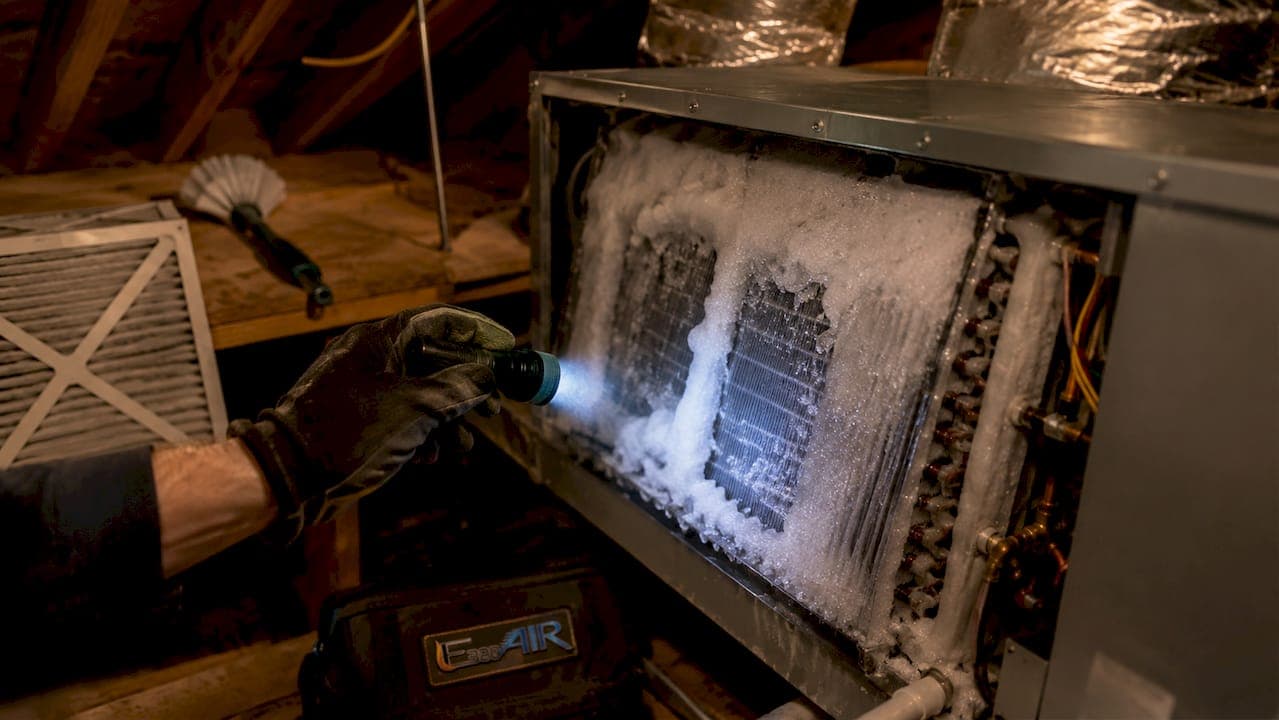
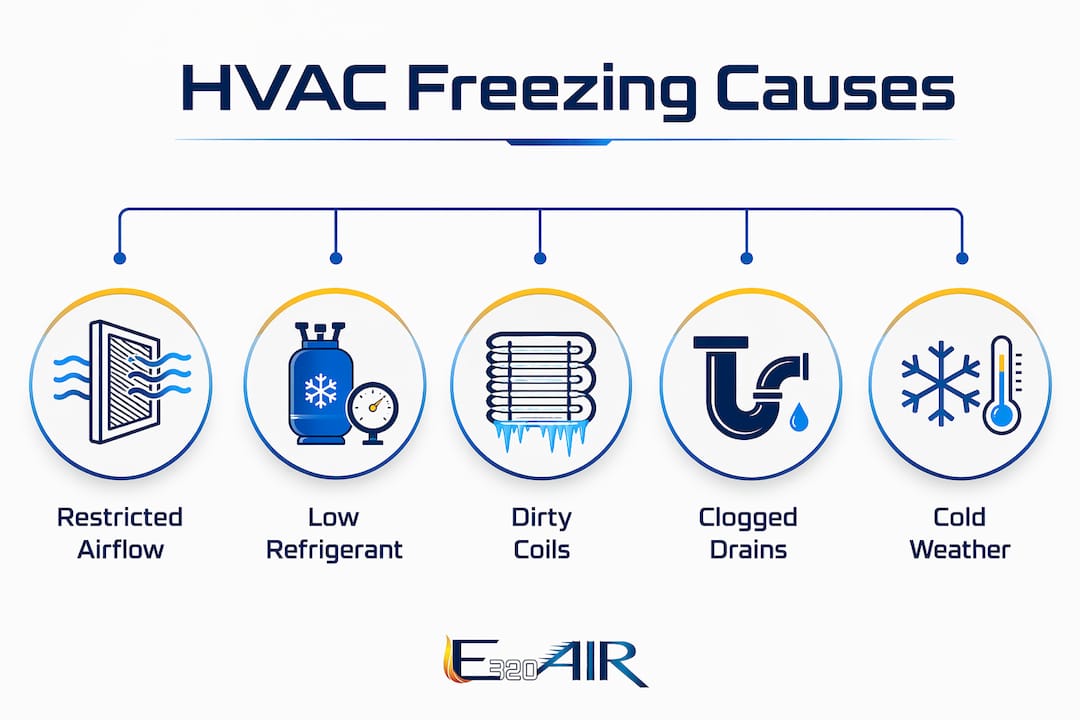
An HVAC system freezes in summer when the evaporator coil temperature drops below 32°F, causing moisture in the air to ice over instead of draining away. This condition, called a freeze-up, is not a sign that your system is working too hard. It means something is blocking the heat exchange process. The two root causes are restricted airflow and low refrigerant charge. Both are preventable, and understanding why hvac system freezes in summer is the first step toward fixing it before the compressor takes the hit.
Why does an HVAC system freeze up in summer?
The evaporator coil sits inside your air handler and absorbs heat from the air passing over it. When warm air flows across the coil at the right rate, refrigerant inside the coil absorbs that heat and stays above freezing. Cut off that warm airflow, or drop the refrigerant pressure too low, and the coil surface falls below 32°F. Moisture from the air then freezes directly onto the coil, building up a layer of ice that blocks airflow further and makes the problem worse.
Freeze-ups are the universal root cause of virtually all summer AC ice problems, and they always trace back to one of those two conditions. The ice you see on the refrigerant lines or the air handler is a symptom, not the problem itself. Treating the symptom without fixing the cause means the system will freeze again within hours of restarting.
How restricted airflow causes HVAC freeze-ups
Restricted airflow is the most common trigger for a frozen AC unit. 50% to 70% of AC malfunctions link directly to neglected maintenance, with dirty air filters being the single biggest offender. A filter clogged with dust and debris chokes off the warm air supply to the evaporator coil, and the coil temperature plummets.
The most common airflow blockers include:
- Dirty or clogged air filters. A filter not changed in six or more months can reduce airflow enough to freeze the coil within a single cooling cycle.
- Closed or blocked supply registers. Shutting vents in unused rooms does not save energy. It raises static pressure and starves the coil of warm air.
- Furniture blocking return grilles. A sofa pushed against a return vent cuts the volume of air the system can pull in.
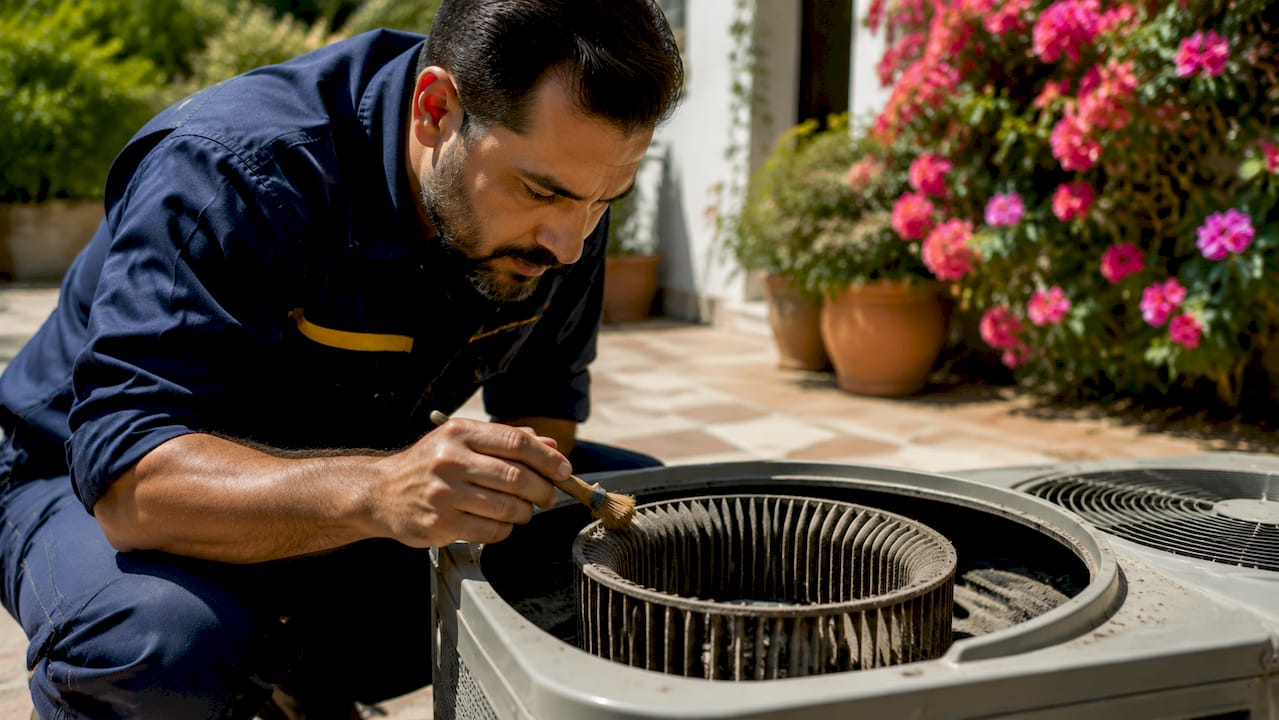
- Dirty blower wheels. Dust buildup on the blower wheel reduces the fan's ability to move air, even when the filter looks clean.
- Failing blower motors. A motor running at reduced speed delivers less airflow than the system needs to keep the coil above freezing.
Closed supply registers and dirty blower wheels each directly decrease warm air flow over the evaporator coil surface. That reduction is enough to drop coil temperature below 32°F on a hot day.
Pro Tip: Replace your air filter every 30 days during peak cooling season if you have pets or allergies, and every 60–90 days otherwise. Hold the filter up to a light source. If you cannot see light through it, replace it immediately.
Check your air conditioner troubleshooting guide for a full walkthrough on restoring airflow before calling a technician.
How refrigerant leaks cause AC freezing in hot weather
Refrigerant is contained in a closed system by design. If the refrigerant level is low, a leak exists somewhere in the system. Low refrigerant reduces the pressure inside the evaporator coil. Lower pressure means lower temperature, and the coil surface drops below freezing even when airflow is perfectly normal.
This is the cause most homeowners miss because the system still blows air. The air just gets colder and colder at the coil until ice forms, then airflow drops, and the whole cycle accelerates. The fix is not simply adding more refrigerant.
| Task | Who can do it | Why |
|---|---|---|
| Identify a refrigerant leak | Certified HVAC technician | Requires specialized leak detection equipment |
| Repair the leak | Certified HVAC technician | Involves brazing or component replacement |
| Recharge the system | Certified HVAC technician | EPA Section 608 restricts refrigerant handling to licensed professionals |
| Check for ice on lines | Homeowner | Visual inspection requires no tools or certification |
| Turn off the system to thaw | Homeowner | Safe and necessary first step before any service |
Topping off refrigerant without finding the leak is a temporary patch that fails quickly and wastes money. Refrigerant in a closed system does not get consumed. Any loss means a leak that must be located and repaired before recharging.
Pro Tip: If your AC blows cool but not cold air and you notice ice on the copper lines outside, turn the system off immediately. Running a frozen system risks liquid refrigerant slugging back into the compressor, which causes permanent damage.
Other causes of a frozen air conditioner
Airflow and refrigerant cover most cases, but several other factors contribute to cooling system problems that end in a freeze-up.
Dirty evaporator coils accumulate dust, pollen, and biofilm over time. That layer acts as insulation, preventing the coil from absorbing heat efficiently. The coil runs colder than it should, and ice forms even when airflow and refrigerant levels are normal. Dirty evaporator coils and clogged condensate drains both increase freeze risk, especially in humid climates where moisture is abundant.
Clogged condensate drain lines cause water to back up in the drain pan. In severe cases, that standing water can freeze around the coil base and compound the problem. A simple wet-dry vacuum flush of the drain line every season prevents this.
Running the AC when outdoor temperatures drop below 60°F causes freezing for a different reason. AC systems operating below their design minimum temperature experience refrigerant pressure-temperature imbalance independent of any fault. This happens most often during cool summer nights or in shoulder seasons when homeowners run the AC out of habit.
Defective metering devices such as a stuck thermostatic expansion valve (TXV) restrict refrigerant flow into the coil. The result mimics low refrigerant: the coil runs too cold and freezes. This requires a technician to diagnose because the symptoms look identical to a refrigerant leak.
Watch for these signs to narrow down the cause:
- Ice forms quickly after startup: likely airflow restriction or very low refrigerant
- Ice forms slowly over several hours: more likely a dirty coil or marginal refrigerant loss
- System freezes only on cool nights: likely ambient temperature below 60°F
- Drain pan overflows before ice appears: clogged condensate drain
How to safely thaw and prevent HVAC freeze-ups
The right response to a frozen AC unit follows a clear sequence. Acting out of order risks compressor damage or a fast refreeze.
- Turn the thermostat to "off" or "fan only." Never leave the compressor running while the coil is frozen. Fan-only mode circulates warm air across the coil and speeds thawing without running the compressor.
- Allow 2–24 hours for a full thaw. Thaw time depends on how much ice has built up. Do not rush it with a heat gun or hair dryer near refrigerant lines.
- Check and replace the air filter. Do this before restarting. A clogged filter is the most likely cause and the easiest fix.
- Open all supply and return vents. Walk the house and confirm every register is fully open and unobstructed.
- Restart in cooling mode and monitor. Run the system for 30 minutes and check the lines for ice formation.
- Call a certified technician if ice returns. Repeated freeze and thaw cycles without fixing the underlying cause indicate a mechanical or refrigerant issue requiring professional diagnosis.
Thaw-and-restart is a diagnostic observation, not a fix. If the system freezes again after a clean restart with a fresh filter and open vents, the problem is refrigerant or mechanical.
For summer HVAC maintenance, replace filters every 1–3 months, schedule a professional coil cleaning once a year, and flush the condensate drain line at the start of each cooling season. These three steps eliminate the majority of freeze-up causes before they start. Review the benefits of seasonal maintenance to build a schedule that works for your system.
Pro Tip: Set your thermostat no lower than 68°F during the day. Aggressive setpoints push the system to run longer cycles, which increases the risk of coil icing when airflow is even slightly restricted.
What I've learned from years of HVAC freeze calls
The pattern I see most often is a homeowner who calls for emergency service, convinced the system has a refrigerant leak, when the actual problem is a filter that has not been changed in eight months. Most HVAC service calls stem from assumptions made without checking the basics first: thermostat setting, filter condition, and whether all the vents are open.
That is not a knock on homeowners. HVAC systems are not intuitive. Ice forming on a unit in 95°F heat looks alarming, and the instinct is to call for help immediately. But a five-minute filter check and a 24-hour thaw resolve the problem in a large share of those calls.
Where I do want homeowners to be cautious is with refrigerant. I have seen DIY refrigerant top-offs that masked a slow leak for one season, only to result in a failed compressor the next. Refrigerant work is not a gray area. It requires EPA Section 608 certification, leak detection equipment, and the right recovery tools. Skipping that process does not save money. It defers a larger repair bill.
My honest recommendation: do the filter check, open the vents, let the system thaw, and restart. If it freezes again, stop running it and call a certified technician. The HVAC leak prevention guide is a good resource for understanding what to look for before that call.
— Edward
E320air can diagnose and fix your frozen AC system
A frozen AC unit that keeps coming back is a system telling you something is wrong beneath the surface.
E320air's certified technicians handle the full range of freeze-up causes: refrigerant leak detection and repair, evaporator coil cleaning, blower motor inspection, and condensate drain service. Every refrigerant service E320air performs meets EPA Section 608 requirements, so the repair is done right and legally. Whether your system froze once or keeps cycling through freeze and thaw, the E320air team can diagnose the root cause and get your cooling back on track before the next heat wave. You can also view real freeze-up repairs in the problem-solving gallery to see how these issues get resolved.
FAQ
What causes an AC unit to freeze up in summer?
An AC unit freezes when the evaporator coil drops below 32°F, most often due to restricted airflow from a dirty filter or low refrigerant from a leak. Both conditions prevent the coil from absorbing heat normally.
Can I fix a frozen AC myself?
You can thaw the system by switching to fan-only mode and replacing the air filter. If the system freezes again after restarting, the cause is refrigerant or mechanical and requires a certified technician.
How long does it take for a frozen AC to thaw?
A frozen evaporator coil typically takes 2–24 hours to thaw completely, depending on ice buildup. Running the fan without the compressor speeds the process safely.
Is it safe to run my AC when it's frozen?
Running a frozen AC risks compressor damage from liquid refrigerant slugging back into the compressor. Turn the system off immediately and allow a full thaw before restarting.
How do I prevent my HVAC from freezing in summer?
Replace air filters every 1–3 months, keep all vents open and unobstructed, schedule annual coil cleaning, and flush the condensate drain line each spring. These steps address the most common causes before they lead to a freeze-up.
Key takeaways
An HVAC system freezes in summer when restricted airflow or low refrigerant drops the evaporator coil below 32°F, and the fix requires addressing the root cause before restarting the system.
| Point | Details |
|---|---|
| Root cause of freeze-ups | Evaporator coil temperature below 32°F from restricted airflow or low refrigerant charge. |
| Most common trigger | Dirty air filters account for 50%–70% of AC malfunctions and freeze-ups. |
| Refrigerant is a closed system | Low refrigerant always means a leak. Recharging without repair is a temporary fix. |
| Safe thaw procedure | Switch to fan-only mode, replace the filter, and wait 2–24 hours before restarting. |
| When to call a professional | If the system freezes again after a clean restart, certified diagnosis is required. |