
TL;DR:
- Desert climates cause HVAC systems to wear faster, increasing energy costs and reducing lifespan. Proper maintenance, system choice, and placement strategies help mitigate heat, dust, and dryness effects. Regular inspections and upgrades tailored to harsh conditions are essential for home comfort and efficiency.
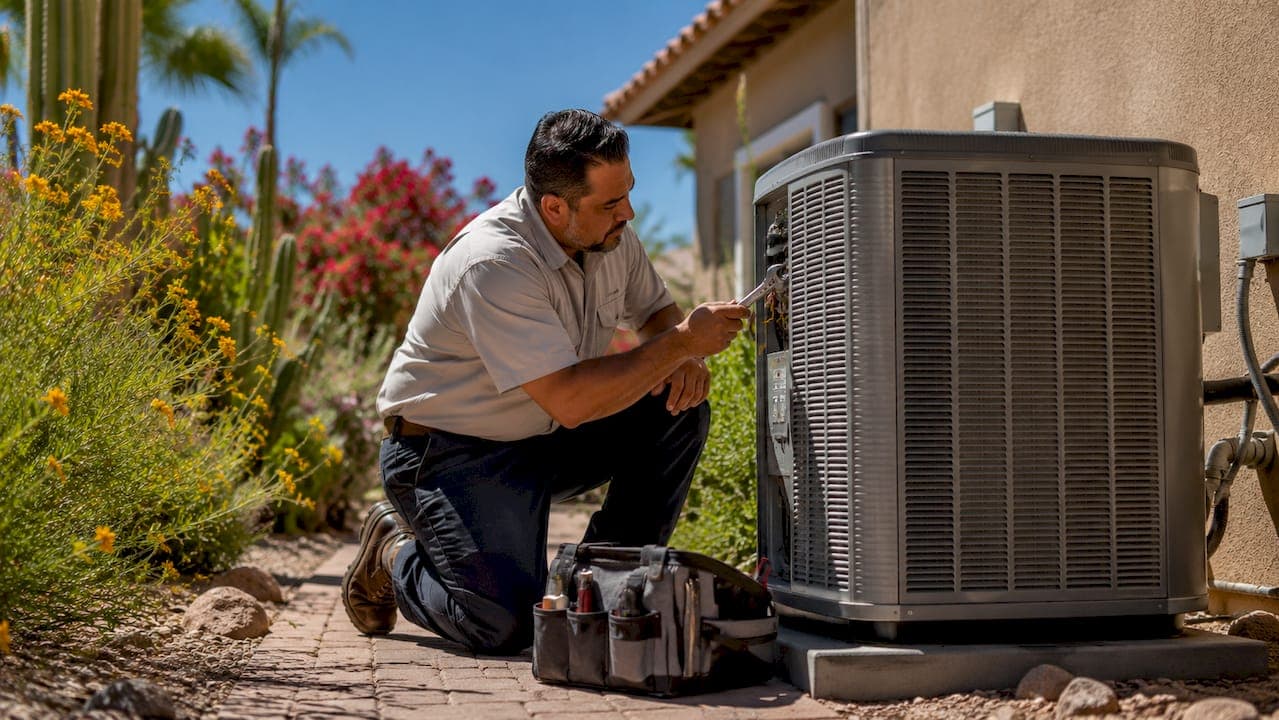
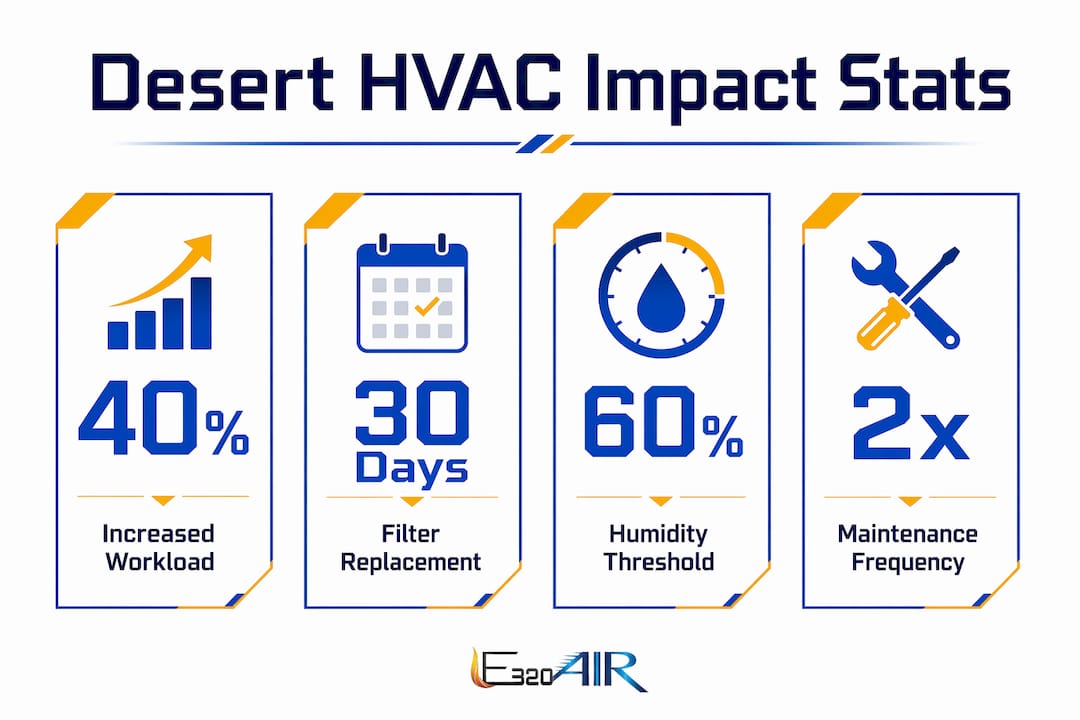
Desert climates are defined by extreme heat, bone-dry air, and relentless dust. All three forces attack your HVAC system simultaneously, and the result is faster wear, higher energy bills, and shorter equipment life. Air conditioners in desert climates work 30–40% harder than units in temperate regions, which means the stakes for proper maintenance are far higher. Understanding how desert climate affects HVAC systems is the first step toward protecting your investment and keeping your home comfortable through the hottest months of the year.
How does extreme heat and solar exposure affect HVAC performance?
High temperatures are the single biggest stressor on any cooling system. Desert regions regularly see outdoor temps exceed 110°F, and that forces your air conditioner to run longer cycles just to maintain a livable indoor temperature. The compressor, which is the heart of the system, takes the hardest hit. It cycles on and off repeatedly under thermal stress, and that pattern accelerates wear on internal components.
Solar exposure compounds the problem. UV radiation degrades rubber seals, plastic housing, and wiring insulation on outdoor units over time. A unit sitting in direct afternoon sun can have a surface temperature far above the ambient air temperature, which makes heat dissipation even harder. Shading your outdoor unit with a pergola or shade screen can meaningfully reduce that load without restricting airflow.
The energy impact is real and measurable. Rising temperatures and extreme events are pushing older HVAC systems beyond their intended design parameters, increasing operational costs and accelerating component aging. A system designed for a moderate climate simply was not built to handle sustained 110°F days week after week.
- Compressor stress from thermal cycling shortens equipment life
- UV radiation degrades seals, wiring, and plastic components on outdoor units
- Longer run cycles drive up electricity consumption significantly
- Heat buildup around the unit reduces the system's ability to reject heat
Pro Tip: Place your outdoor unit on the north or east side of your home where it receives less direct afternoon sun. That single placement decision can reduce the cooling load on the condenser and extend compressor life.
How does desert dryness affect HVAC maintenance and indoor air quality?
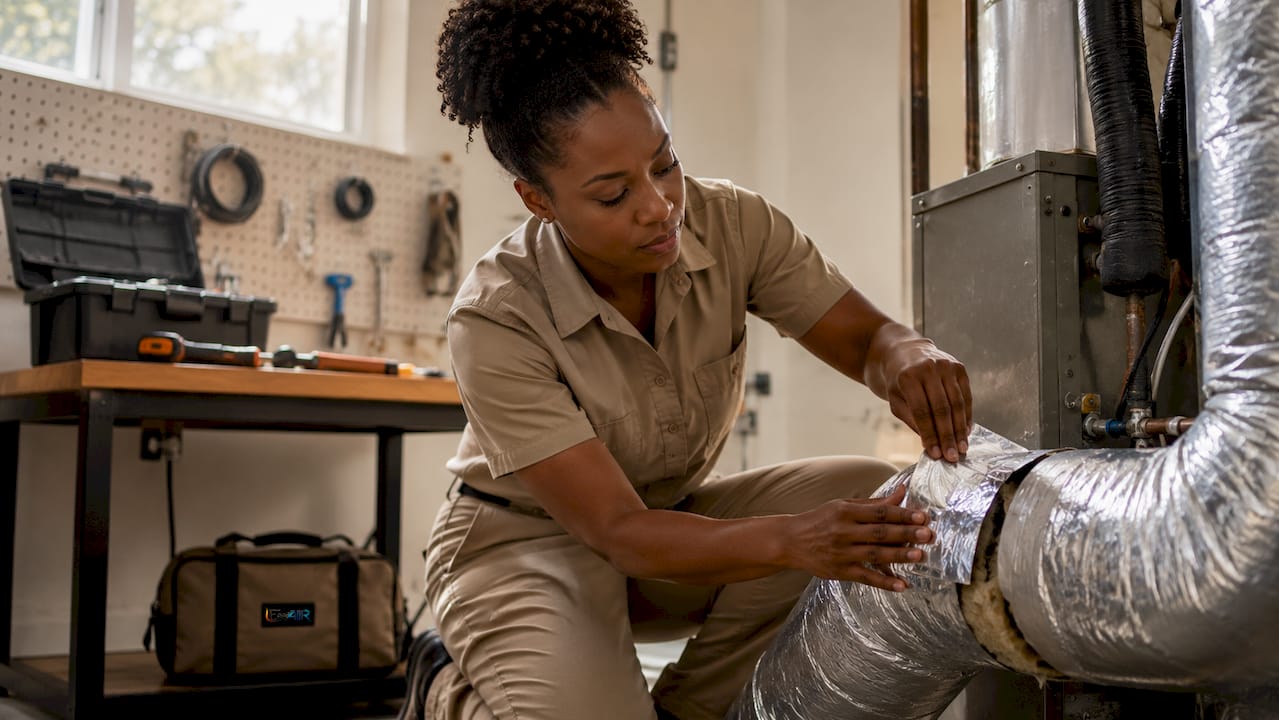
Dry air does damage that most homeowners never see coming. Ductwork and insulation dry out, crack, and leak in arid conditions, allowing conditioned air to escape into unconditioned spaces like attics and crawl spaces. That leakage forces your system to work harder to meet the thermostat setpoint, and it quietly drives up your energy bill every month.
Indoor air quality suffers too. When relative humidity drops below 30%, occupants experience dry skin, irritated sinuses, and increased susceptibility to respiratory issues. Static electricity builds up on carpets and upholstery, and wooden furniture and flooring can crack or warp. These are not just comfort issues. They signal that your home's air environment is out of balance.
The fix is targeted. Whole-home humidifiers counter indoor dryness effectively, improving comfort and allowing you to set the thermostat a few degrees lower in winter without feeling cold. They also reduce static buildup and protect wood surfaces throughout the home.
- Inspect ductwork joints and seals every spring before cooling season begins
- Use mastic sealant or metal tape to close any cracks or gaps in duct connections
- Install a whole-home humidifier on the air handler to maintain 35–50% relative humidity
- Check flexible duct sections for kinks or tears that restrict airflow
- Replace duct insulation that has dried out, crumbled, or separated from the duct surface
Pro Tip: Run a simple tissue test near your duct registers. Hold a tissue near a supply vent while the system runs. If the tissue barely moves, you likely have a duct leak or blockage reducing airflow to that zone.
What are the unique dust and particulate challenges for desert HVAC owners?
Desert dust is not the same as household dust. Fine silt and sand particles are small enough to pass through standard filters and coat evaporator coils with a thin, insulating layer. Dust and sand rapidly clog air filters and coat coils, which reduces cooling effectiveness and forces the compressor to work harder. Left unchecked, coil fouling leads to system breakdown during the hottest weeks of summer.
Filter selection matters more in desert climates than anywhere else. A MERV 8 filter catches larger particles but lets fine silt through. A MERV 13 filter captures finer particles but restricts airflow if your system was not designed for the added resistance. The right choice depends on your system's fan capacity and duct design. Consulting with a qualified technician before upgrading filter ratings is the right call.
Desert homeowners dealing with air quality challenges should also consider the broader filtration needs specific to arid climates, where particulate types differ significantly from humid regions. The filtration strategy that works in a coastal city will not work in Phoenix or Palm Springs.
- Replace standard 1-inch filters every 30 days during windy or dusty seasons
- Use MERV 11 filters as a practical middle ground for most desert home systems
- Clean evaporator coils at least once per year with a no-rinse coil cleaner
- Rinse condenser coils with a low-pressure garden hose monthly during peak dust season
- Keep at least two feet of clearance around the outdoor unit to reduce debris accumulation
Pro Tip: After a dust storm, check your filter immediately. A single haboob can load a filter with weeks' worth of particulate in one night. Running a clogged filter strains the blower motor and drops airflow across the coil.
What HVAC system designs work best in desert climates?
Not all HVAC systems handle desert conditions equally. Inverter-driven heat pumps and variable refrigerant flow (VRF) systems manage thermal cycling better than traditional single-stage units. They adjust output continuously to match the actual cooling load rather than switching fully on and off, which reduces mechanical stress and energy waste. For desert homeowners replacing aging equipment, these technologies represent a meaningful upgrade in both durability and efficiency.
Evaporative coolers, also called swamp coolers, offer a different approach. They add moisture while cooling, making them a cost-effective option in dry desert environments where humidity stays low. They work best when outdoor humidity is below 60%, which describes most desert days outside of monsoon season. Many desert homeowners run a swamp cooler as a primary system and keep the central AC as backup for the most extreme days.
Building envelope choices also reduce HVAC load significantly. Reflective roofing materials, added attic insulation, and exterior window shading can cut cooling demand before the system even turns on. For a deeper look at home cooling solutions suited to extreme heat, the options available in 2026 go well beyond what was practical just five years ago.
Advanced controls like model predictive control take efficiency further by anticipating heat loads and pre-cooling the home before peak demand hours. That reduces electricity costs during the most expensive rate periods of the day.
| System type | Desert performance | Key benefit |
|---|---|---|
| Single-stage central AC | Moderate | Low upfront cost |
| Inverter-driven heat pump | High | Reduced wear, lower energy use |
| VRF system | High | Precise load matching |
| Evaporative cooler | High in low humidity | Adds moisture, low operating cost |
| Dual-fuel hybrid system | High | Flexibility across seasons |
How should desert homeowners schedule HVAC maintenance?
Desert HVAC maintenance follows a different calendar than standard recommendations. The standard advice to change filters every 90 days does not apply when dust storms roll through monthly. Filters need replacement far more frequently during windy and dusty seasons, and skipping that step creates a cascade of problems from reduced airflow to compressor overload.
A structured maintenance schedule protects the system and catches problems before they become expensive repairs. E320air recommends aligning maintenance visits with the two critical transition points in a desert climate: before cooling season starts in spring, and before heating season starts in fall.
- March: Replace filters, inspect ductwork for winter cracks, test thermostat calibration, and clear debris from around the outdoor unit
- April: Schedule a professional tune-up including coil cleaning, refrigerant check, and electrical connection inspection before peak heat arrives
- Monthly (May through September): Check and replace filters, rinse condenser coils after dust events, and listen for unusual sounds from the blower or compressor
- October: Inspect humidifier components, check heat exchanger for cracks, and test heating mode before temperatures drop
- After any major dust storm: Inspect the filter immediately and check the outdoor unit for debris packed into the fins
Monitoring your system's sounds and airflow gives you early warning of developing problems. A rattling outdoor unit often signals loose debris in the fan housing. Reduced airflow from registers can mean a clogged filter, a failing blower motor, or a refrigerant issue. Catching these signals early keeps repair costs low. For homeowners who want a detailed maintenance schedule for desert climates, planning by month rather than by season makes a measurable difference in system longevity.
Pro Tip: Set a phone reminder on the first of every month from May through September to check your filter. It takes two minutes and prevents the most common cause of summer HVAC breakdowns.
Key Takeaways
Desert climate conditions force HVAC systems to work harder, wear faster, and fail sooner without a maintenance plan built specifically for heat, dryness, and dust.
| Point | Details |
|---|---|
| Extreme heat increases workload | AC units in desert climates work 30–40% harder, accelerating wear and raising energy costs. |
| Dry air damages ducts and air quality | Cracked ductwork leaks conditioned air; whole-home humidifiers restore comfort and efficiency. |
| Dust clogs filters and coils fast | Replace filters monthly during dusty seasons and clean coils regularly to prevent compressor strain. |
| System choice matters | Inverter-driven and VRF systems handle desert heat better than single-stage units. |
| Maintenance timing is critical | Schedule professional service before cooling season and inspect filters after every dust storm. |
What I've learned after years of desert HVAC work
The homeowners who struggle most with HVAC costs in desert climates are not the ones with old equipment. They are the ones treating their system like it lives in a mild climate. They change filters quarterly, skip coil cleaning, and wonder why their unit fails in july.
The uncomfortable truth is that desert HVAC care requires a different mindset entirely. You are not maintaining a machine. You are managing a machine under constant siege from heat, UV radiation, and airborne abrasive particles. The moment you treat it that way, the decisions become obvious: more frequent filter checks, annual coil cleaning, shade for the outdoor unit, and a humidifier for the ductwork.
I have also seen homeowners invest in high-MERV filters thinking they are doing their system a favor, only to restrict airflow so severely that the evaporator coil freezes. The filter upgrade has to match the system's fan capacity. That is a conversation worth having with a technician before you buy anything.
The technology available in 2026 genuinely changes the math for desert homeowners. Inverter-driven systems and climate-adaptive HVAC technologies reduce the punishment that extreme heat inflicts on equipment. Pairing that technology with a disciplined maintenance schedule is the combination that actually works. Everything else is just hoping the system holds together through another summer.
— Edward
E320air: built for the demands of desert climates
Desert HVAC problems require desert HVAC expertise. E320air specializes in repairs, maintenance, installations, and equipment sales for homeowners in hot, dry climates where standard approaches fall short.
Whether your system is struggling through summer heat, your filters are clogging faster than expected, or you are ready to upgrade to an inverter-driven system that handles the load more efficiently, E320air has the experience to help. The team at E320air works specifically with the conditions desert homeowners face every day. For a closer look at how real HVAC problems get solved in harsh environments, the problem-solving gallery shows the kind of work that keeps desert homes comfortable year-round. Contact E320air to schedule a consultation and get a maintenance or installation plan built for your climate.
FAQ
How does desert climate affect HVAC lifespan?
Desert heat, dust, and dry air cause HVAC components to wear faster than in temperate climates. Systems that work 30–40% harder under sustained high temperatures age significantly faster without a climate-specific maintenance plan.
How often should I change my HVAC filter in a desert climate?
Replace filters every 30 days during windy and dusty seasons, not the standard 90-day interval. After a major dust storm, check the filter immediately regardless of when it was last replaced.
Are evaporative coolers a good option for desert homes?
Evaporative coolers work well in dry desert conditions where outdoor humidity stays below 60%. They add moisture while cooling, which addresses both temperature and indoor air dryness at a lower operating cost than central AC.
What HVAC system is most efficient for extreme desert heat?
Inverter-driven heat pumps and VRF systems perform best in desert climates. They adjust output continuously to match the cooling load, reducing wear and energy consumption compared to traditional single-stage units.
Why does my HVAC system lose efficiency faster in the desert?
Dust coats evaporator and condenser coils, acting as insulation that blocks heat transfer. Combined with clogged filters and cracked ductwork from dry air, the system works harder for the same output, driving up costs and accelerating component failure.