
TL;DR:
- Winterizing your HVAC system in Hesperia involves cleaning outdoor units, sealing duct leaks, replacing filters, and scheduling professional tune-ups before cold weather. Starting early in September or October ensures maintenance is completed before the heating season rush, preventing costly emergency repairs and system damage. Proper preparation saves money, enhances system efficiency, and prolongs equipment lifespan during cold months.
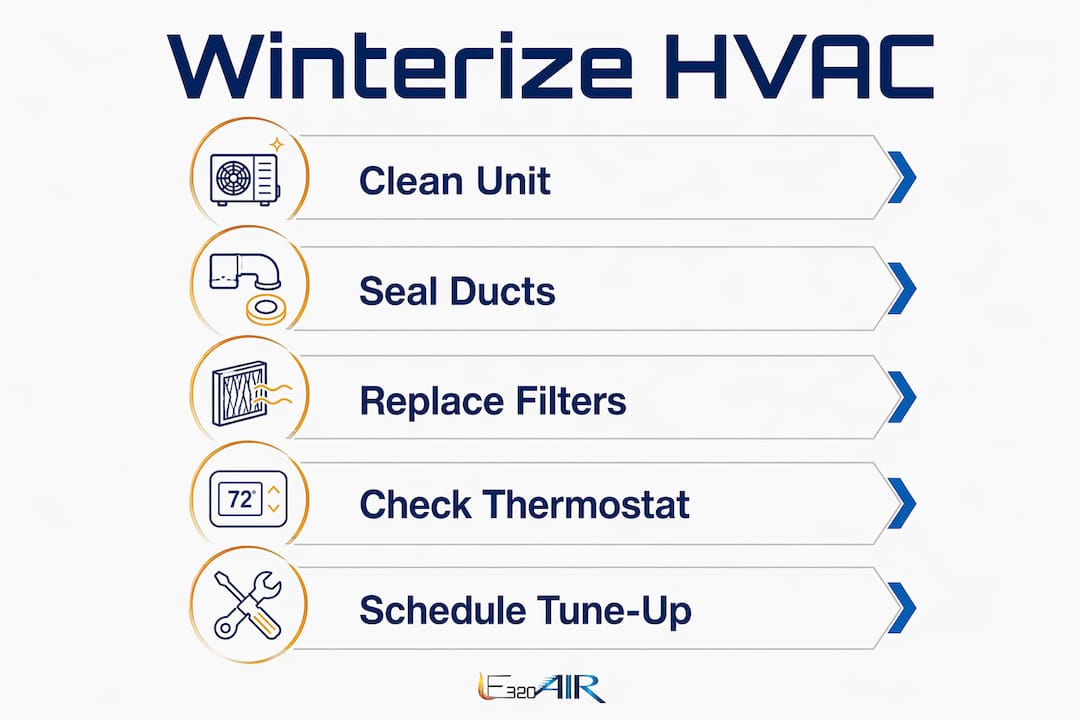
Winterizing your HVAC system is the process of preparing heating and cooling equipment for cold-weather operation before temperatures drop. In Hesperia, where winter nights can push into the low 30s and daytime swings are sharp, skipping this step costs real money. Proactive fall maintenance including filter replacement and duct sealing can reduce heating costs by 10–25%. That kind of savings comes from a few hours of focused work. This guide covers exactly how to winterize your HVAC in Hesperia, from the tools you need to the professional tune-ups that protect your system all season long.
What tools do you need to winterize your HVAC in Hesperia?
The right tools make the difference between a thorough job and one that leaves problems behind. You do not need expensive equipment. Most of what you need is already in a standard garage or available at any hardware store in the High Desert.
Core tools and materials:
- Soft-bristle brush for sweeping debris off coils and fins without bending them
- Garden hose with a standard nozzle for rinsing the outdoor unit
- Pipe insulation foam for wrapping exposed refrigerant lines
- Metallic mastic sealant or foil tape for sealing duct leaks
- HVAC unit cover to protect the outdoor condenser during extended cold spells
- Replacement air filter sized to your specific unit
- Screwdriver set for accessing panels
- Safety gloves and eye protection for any cleaning work near fins or electrical components
| Tool | Purpose | Alternative |
|---|---|---|
| Soft-bristle brush | Remove debris from fins | Compressed air canister |
| Garden hose (low pressure) | Rinse coils | Spray bottle for small areas |
| Metallic mastic sealant | Seal duct leaks | Foil-backed HVAC tape |
| Pipe insulation foam | Protect refrigerant lines | Pre-slit foam pipe wrap |
| MERV-rated pleated filter | Maintain airflow and air quality | Standard fiberglass filter |
One tool to leave in the shed: your pressure washer. Pressure washers damage delicate aluminum fins and coils, and a single pass can bend enough fins to restrict airflow and trigger a service call. A garden hose on low pressure does the job safely.
Pro Tip: Buy your replacement filter before you start. You will want to swap it in at the end of the process while the unit is already powered down.
How to clean and prepare your outdoor HVAC unit for winter
The outdoor condenser unit takes the most abuse from weather and debris. Cleaning it before winter prevents mechanical strain and keeps airflow unrestricted when your system switches to heating mode.
Follow these steps in order:
-
Shut off power at the circuit breaker. Locate the disconnect box near the outdoor unit and flip it off. Then confirm the breaker inside your home is also off. Never work on the unit with power running.
-
Remove large debris by hand. Pull out leaves, twigs, and any material that has collected inside the unit casing. Hesperia's desert winds push Joshua tree debris and dry brush against units constantly, so this step matters more here than in coastal climates.
-
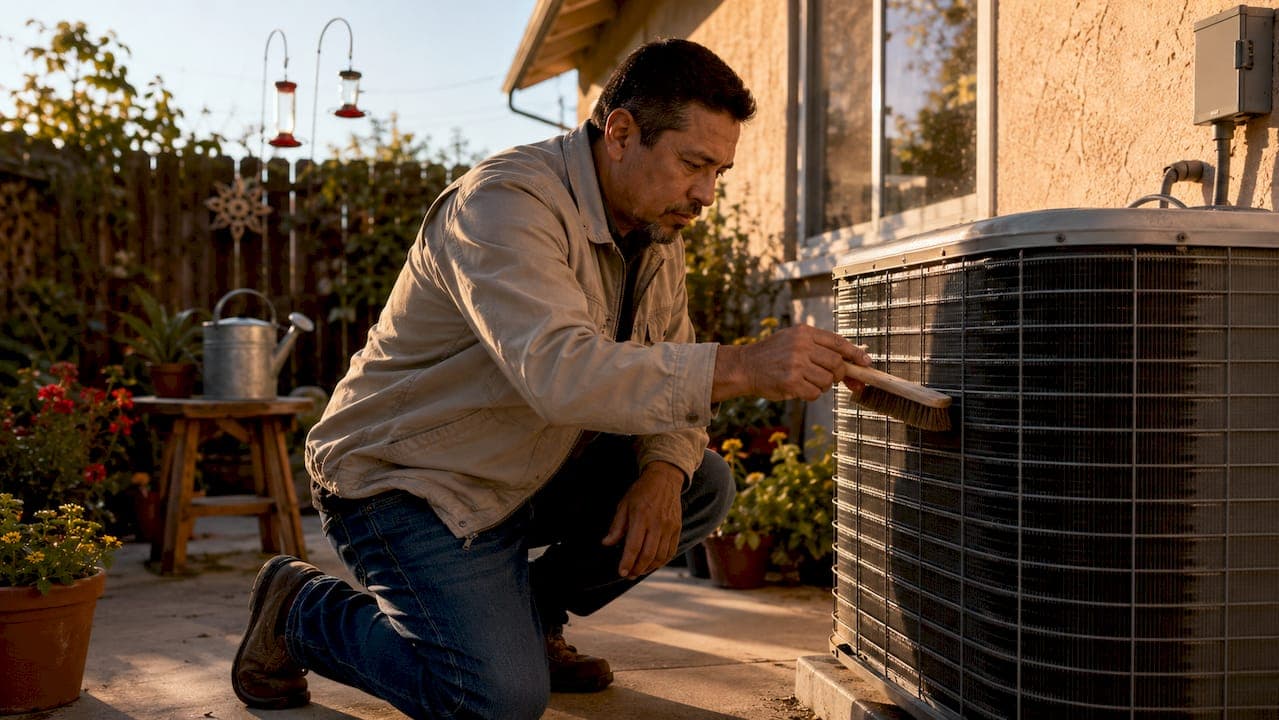
Brush the exterior fins. Use your soft-bristle brush to sweep downward along the fins. Work gently. Bent fins reduce airflow and force the compressor to work harder.
-
Rinse the coils with a garden hose. Spray from the inside out if you can access the interior. Use low pressure only. This flushes dirt and dust that the brush loosens. Avoid pressure washers at all costs, as they bend fins and damage coils.
-
Clear the area around the unit. Trim back any shrubs, ornamental grasses, or desert plants within 2 feet of the unit. A 2-foot clear zone around outdoor units is the standard for proper airflow and debris prevention.
-
Inspect refrigerant lines. Check the foam insulation on the copper lines running into your home. If it is cracked, brittle, or missing sections, replace it with new pipe insulation foam before cold weather sets in.
-
Cover the unit if needed. A breathable HVAC cover protects against debris during long periods of non-use. Do not use a solid tarp. Trapped moisture causes corrosion and mold inside the unit.
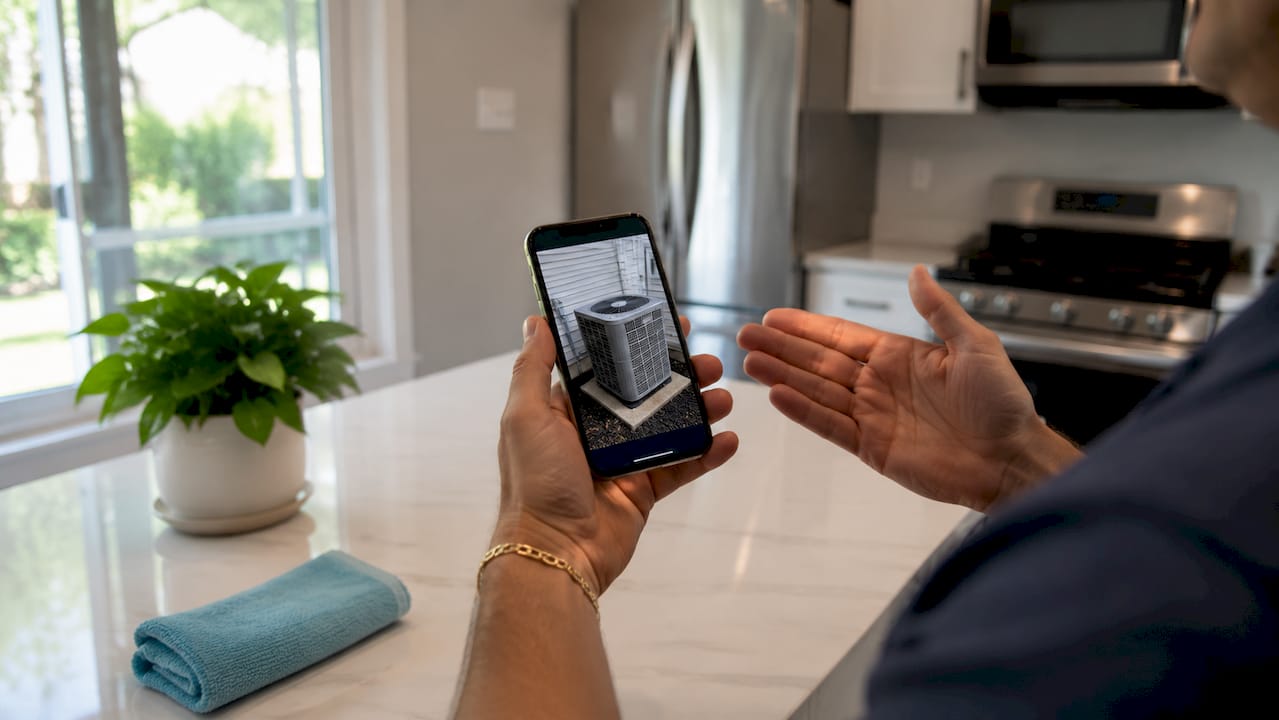
Pro Tip: Take a photo of your unit before and after cleaning. If a technician visits later in the season, that visual record helps them spot any new damage quickly.
How to inspect and winterize indoor HVAC components
The indoor side of your system is where most energy loss happens. Duct leaks, dirty filters, and a miscalibrated thermostat can quietly drain your heating budget all winter without triggering any obvious warning signs.
Duct inspection and sealing
Check every accessible section of ductwork in your attic, crawl space, and utility closet. Look for gaps at joints, tears in flexible duct material, and sections where insulation has fallen away. Duct sealing prevents 15–25% energy loss from conditioned air leaking into unconditioned spaces like attics. That means up to a quarter of the heat your furnace produces could be escaping before it reaches your living room. Apply metallic mastic sealant to gaps at rigid duct joints. Use foil-backed HVAC tape for flexible duct repairs. Standard gray duct tape is not rated for HVAC use and fails within one season. For a deeper look at why this matters, the E320air guide on ductwork and HVAC efficiency walks through the full impact of leaks on system performance.
Air filter replacement
Replace air filters every 60–90 days during winter, or more often if you have pets or allergy sufferers in the home. A clogged filter forces your furnace to pull harder, raising energy use and stressing the blower motor. Choose a pleated filter with a MERV rating between 8 and 11. That range traps dust, pet dander, and pollen without restricting airflow the way higher-rated filters can. For more on filter selection, E320air's resource on filter types and air quality covers the full range of options.
Thermostat check
Set your thermostat to heat mode and raise the temperature above the current room reading. Your furnace should kick on within 60 seconds. If it does not, check the batteries first, then the wiring connections. A programmable or smart thermostat set to drop temperatures by 7–10 degrees overnight can cut heating costs noticeably over a full winter. If your thermostat is more than 10 years old, replacing it with a current model is one of the highest-return upgrades you can make before cold weather arrives.
When should you schedule a professional HVAC tune-up in Hesperia?
The best time to book a professional HVAC inspection is september through early october. That window sits before the heating season rush, which means shorter wait times and standard pricing. By november, most HVAC contractors in the High Desert are fully booked with emergency calls.
A professional tune-up covers things that DIY work cannot reach:
- Refrigerant level check. Low refrigerant forces the compressor to overwork and can cause it to fail mid-winter.
- Electrical contact inspection. Corroded or loose contacts are a leading cause of no-heat calls in december and january.
- Heat exchanger examination. A cracked heat exchanger leaks carbon monoxide into living spaces. This is a safety issue, not just an efficiency one.
- Coil cleaning with professional-grade solutions. These penetrate buildup that a garden hose cannot remove.
- System calibration. A technician verifies that the system delivers the right airflow and temperature rise across all zones.
Professional tune-ups in early fall catch refrigerant leaks, corroded contacts, and worn belts before they become emergency repairs. The cost of a tune-up is a fraction of a mid-winter compressor replacement or emergency service call. DIY maintenance complements but does not replace a professional inspection for thorough system evaluation and safety checks. For Hesperia homeowners who want a full picture of what a professional visit covers, the HVAC inspection guide for California homeowners is worth reading before you book.
Common mistakes to avoid when winterizing your HVAC system
Most HVAC problems that show up in december trace back to something skipped in october. These are the errors that show up most often in Hesperia homes.
- Using a pressure washer on the outdoor unit. This bends fins and damages coils. The repair cost far exceeds any time saved.
- Skipping the power shutoff. Always confirm power is off at both the disconnect box and the circuit breaker before touching any component.
- Ignoring duct leaks. A small gap at a duct joint looks minor but can account for significant heat loss over an entire season.
- Delaying filter replacement. A dirty filter at the start of winter strains the blower motor from day one and reduces air quality throughout the home.
- Leaving debris around the outdoor unit all winter. Snow and debris buildup around outdoor units obstructs airflow and forces the system to work harder. Check the unit after any storm or heavy wind event.
- Waiting until the system fails to call a technician. Emergency HVAC service in winter costs significantly more than a scheduled tune-up. Book before the season starts.
If your system short-cycles, produces uneven heat, or makes new noises after you complete your winterization steps, call a licensed HVAC technician. These symptoms point to mechanical issues that go beyond seasonal prep.
An annual HVAC inspection addresses the deeper issues that DIY steps cannot catch, and it pays for itself in avoided repairs and lower energy bills.
Key takeaways
Winterizing your HVAC system in Hesperia requires cleaning the outdoor unit, sealing duct leaks, replacing filters, and scheduling a professional tune-up before the heating season begins.
| Point | Details |
|---|---|
| Duct sealing saves real money | Sealing leaks prevents up to 25% energy loss from conditioned air escaping into unconditioned spaces. |
| Outdoor unit cleaning is non-negotiable | Remove debris, rinse coils with low pressure, and maintain a 2-foot clearance around the unit. |
| Filter replacement timing matters | Replace filters every 60–90 days in winter, more often with pets or allergies, to protect airflow and air quality. |
| Book professional service in early fall | September and early October offer shorter wait times and standard pricing before the heating rush begins. |
| Pressure washers cause costly damage | Always use a soft brush or garden hose on low pressure when cleaning outdoor HVAC components. |
Why I always tell Hesperia homeowners to start earlier than they think
Most homeowners I work with in the High Desert wait until the first cold snap to think about their heating system. By then, every HVAC contractor in the area is running back-to-back calls, parts are on backorder, and a problem that would have cost $150 in october now costs $600 in december. I have seen this pattern repeat every single year.
What surprises people is how much the DIY steps actually move the needle. Sealing a few duct joints and swapping a filter takes less than two hours. The energy savings show up on the very next bill. The bigger issue is that homeowners often treat DIY and professional service as either-or choices. They are not. The cleaning and sealing you do yourself gets the system to a baseline. The professional inspection finds what you cannot see, like a heat exchanger crack or a refrigerant level that is 10% low. Both matter.
Hesperia's climate is also less forgiving than people expect. The temperature swings between afternoon highs and overnight lows put real stress on HVAC components. A system that coasted through summer without issues can fail fast once it has to run hard for heating. Starting your seasonal HVAC preparation in september is not overcautious. It is the only timeline that gives you options if something needs repair.
— Edward
Get your Hesperia HVAC ready before winter arrives
E320air serves Hesperia homeowners with HVAC maintenance, tune-ups, and full system inspections designed for High Desert conditions. The team handles everything from duct sealing and filter service to refrigerant checks and heat exchanger inspections, all at competitive pricing with no surprise fees.

Booking now means you get a scheduled appointment before the seasonal rush, not an emergency call in the middle of a cold week. E320air's HVAC maintenance and service packages are built for exactly this time of year. If you want to see the kind of problems a professional inspection catches before they become expensive, the problem-solving gallery shows real examples from local homes. Do not wait for a breakdown to make the call.
FAQ
How do I winterize my HVAC system in Hesperia?
Clean the outdoor unit with a soft brush and low-pressure hose, seal duct leaks with metallic mastic sealant, replace the air filter, and schedule a professional tune-up before october. These steps together can reduce heating costs by 10–25%.
When is the best time to schedule HVAC winter maintenance in Hesperia?
September through early october is the best window. Booking before the heating season rush means shorter wait times, standard pricing, and time to fix any issues before cold weather sets in.
How often should I replace my HVAC filter in winter?
Replace your filter every 60–90 days during winter. If you have pets or anyone in the home with allergies, replace it every 30–45 days to maintain airflow and indoor air quality.
Can I winterize my HVAC system myself, or do I need a professional?
You can handle cleaning, filter replacement, and basic duct sealing yourself. A licensed technician is required for refrigerant checks, electrical inspections, and heat exchanger evaluation. Both steps together give you the best protection.
Why should I avoid using a pressure washer on my outdoor HVAC unit?
Pressure washers bend the aluminum fins and damage coils, which restricts airflow and can lead to compressor failure. Always use a garden hose on low pressure or a soft-bristle brush instead.