
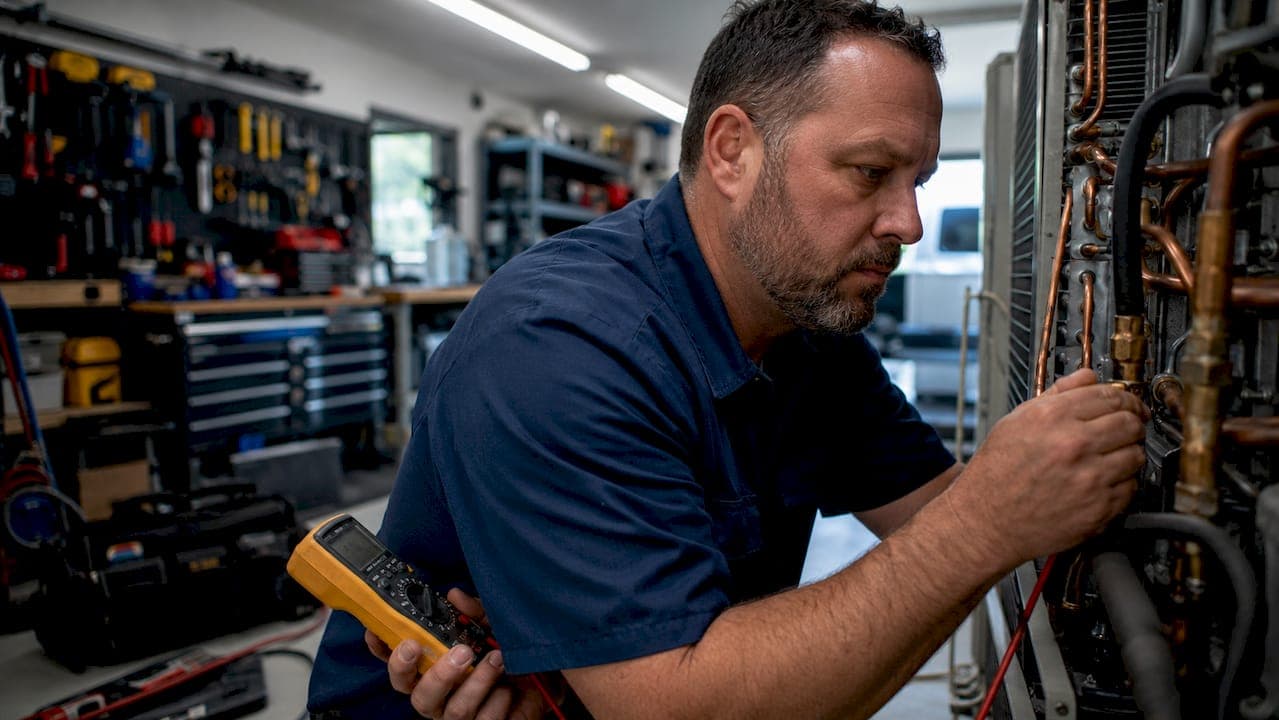
TL;DR:
- Up to 90% of HVAC systems in the U.S. are installed improperly, leading to higher energy bills and reduced comfort. Proper sizing, duct design, refrigerant handling, and full commissioning are essential for efficient and reliable HVAC performance. Homeowners should demand verified load calculations, duct testing, and detailed reports to ensure correct installation and code compliance.
Up to 90% of HVAC systems in the U.S. are installed incorrectly, failing to meet manufacturer specifications and the energy savings homeowners expect. Common HVAC installation mistakes include improper sizing, faulty ductwork, incorrect refrigerant charge, and skipped commissioning. Each error directly raises your utility bills, shortens equipment life, and leaves your home uncomfortable. California homeowners face added pressure from Title 24 energy codes and year-round cooling demands, making proper installation even more critical. Knowing what these mistakes look like before your installer shows up is the single best protection you have.
1. What are the most critical sizing mistakes to avoid?
Incorrect system sizing is the most damaging of all HVAC setup errors. An oversized unit short-cycles, meaning it turns on and off too frequently, which wastes energy and causes excessive humidity in California's coastal climates. An undersized unit runs constantly and still cannot keep up on hot inland days.
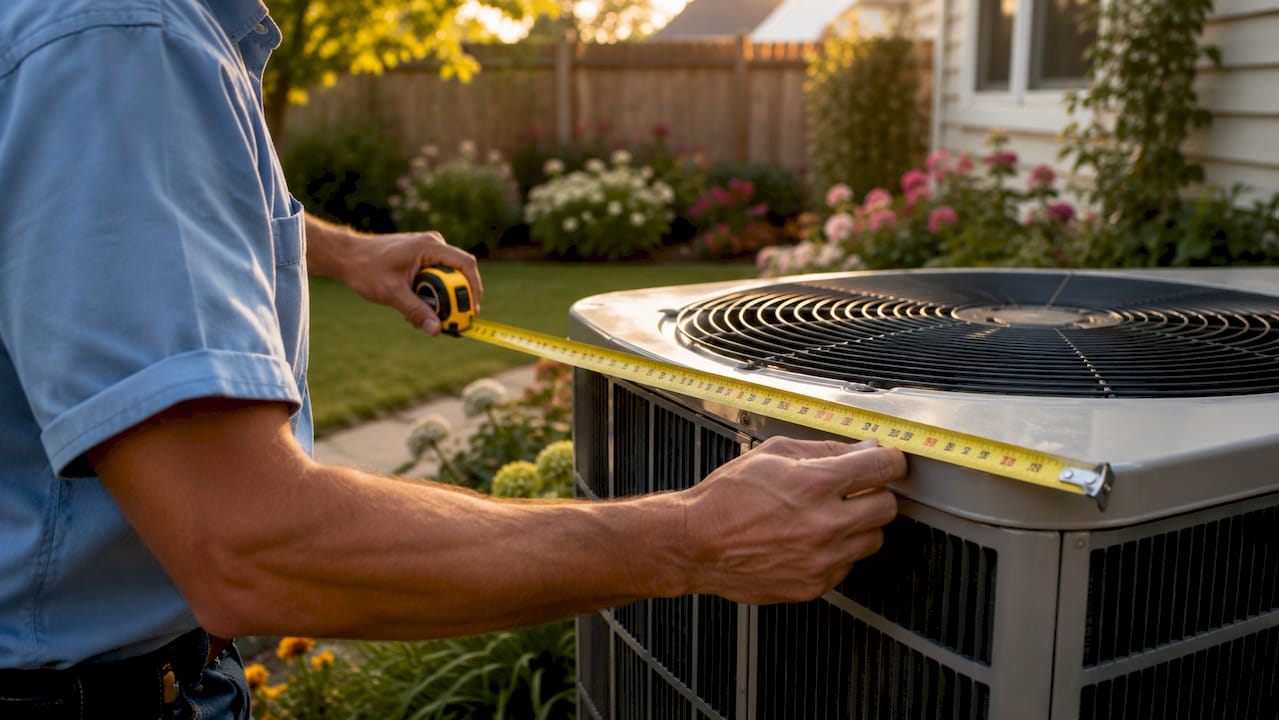
The correct method is a Manual J load calculation, a standardized procedure that accounts for your home's square footage, insulation, window area, orientation, and local climate data. Homeowners should prioritize installers who perform this calculation rather than relying on rules of thumb like "one ton per 500 square feet."
The most common sizing error is called "box swapping." This means replacing your old unit with a new one of the exact same size, without running any new calculations. Many old systems were already oversized when first installed, so copying that size locks in the original mistake.
- Ask your contractor for a written Manual J report before equipment is ordered
- Verify the report includes your specific zip code's design temperatures
- Reject any quote based solely on the size of your current unit
Pro Tip: ACCA Quality Installation standards require documented load calculations as a baseline. Ask your installer if they follow ACCA QI. If they hesitate, that tells you something.
2. How does ductwork design affect efficiency and what errors are most common?
Ductwork is the delivery system for all the air your HVAC produces. Up to 30% of energy is wasted through leaky, improperly sized, or poorly installed ducts. That waste shows up directly on your electric bill every month.
Poor duct design creates high static pressure, which forces your blower motor to work harder and shortens its lifespan. Consultant Joey Henderson identifies bullhead tees and excessive flex duct branching as two specific design flaws that kill performance. Both are common shortcuts taken during rushed installations.
The most frequent duct-related HVAC installation problems include:
- Undersized supply or return ducts that restrict airflow
- Kinked or compressed flex duct, which cuts airflow by a significant margin
- Ducts sealed with duct tape instead of mastic sealant or metal tape
- Poor layout that creates pressure imbalances and uneven room temperatures
- Missing insulation on ducts running through hot attic spaces, which is especially damaging in California summers
Neglecting duct sealing and proper layout leads to uneven airflow, hot and cold spots, and reduced indoor comfort. A professional duct leakage test, called a duct blaster test, measures exactly how much air escapes before it reaches your rooms.
| Duct mistake | Primary impact |
|---|---|
| Undersized ducts | High static pressure, reduced airflow |
| Kinked flex duct | Blocked airflow, hot and cold spots |
| Improper sealing | Up to 30% energy loss |
| Poor layout | Pressure imbalances, uneven comfort |
Pro Tip: Ask your installer to show you the ductwork design plan before work begins. A contractor who cannot produce one is designing on the fly.
3. What refrigerant and component errors reduce system performance?
Refrigerant mistakes are among the most technically damaging errors during HVAC install. An incorrect refrigerant charge, whether too high or too low, forces the compressor to work outside its design range. This causes premature failure, often within a few years of installation.
Proper refrigerant work requires three steps: evacuating the system to remove moisture and air, charging to the manufacturer's specified weight or pressure, and verifying superheat and subcooling readings. Skipping any step leaves the system compromised. A contractor who simply "adds refrigerant" without measuring is guessing.
Outdoor unit placement is another frequent mistake. Units placed too close to walls, fences, or dense shrubs cannot pull in enough air for heat rejection. In California's hot summers, restricted airflow around the condenser raises operating temperatures and cuts efficiency sharply.
Common refrigerant and component errors include:
- Skipping system evacuation before charging
- Charging by pressure alone instead of measuring superheat and subcooling
- Placing the outdoor unit in a recessed corner with no clearance on multiple sides
- Improper condensate drain slope, which causes water to back up and leak into ceilings or walls
- Drain lines without a secondary drain pan or overflow shutoff, which is a code requirement in many California jurisdictions
Drainage failures are particularly destructive because water damage compounds over time. A slow drip inside a wall can cause mold growth before you notice any visible sign.
4. Why is commissioning critical and what happens when it is skipped?
Commissioning is the formal process of verifying that every part of the installed system meets specifications before the contractor leaves. Startup testing is frequently rushed or skipped, leaving critical errors undetected and reducing both efficiency and system lifespan.
Proper commissioning involves measuring static pressures, verifying airflow at each register, confirming refrigerant superheat and subcooling, and checking the temperature differential across the coil. Each measurement has a target range specified by the manufacturer. A system that passes a city building inspection can still fail every one of these checks.
City inspections verify safety code compliance but do not validate airflow, refrigerant charge, or energy efficiency. This distinction matters because a system can be perfectly legal and still perform at a fraction of its rated efficiency.
A complete commissioning process includes:
- Static pressure measurement at the supply and return plenums
- Airflow verification at each supply register using a flow hood
- Refrigerant superheat and subcooling measurement
- Temperature differential check across the air handler coil
- Thermostat calibration and control sequence verification
- Written commissioning report provided to the homeowner
Insist on receiving a written report. If a contractor cannot provide one, the commissioning was not done properly.
5. What other installation pitfalls should California homeowners watch for?
Several additional mistakes during HVAC install fall outside the main categories but still cause real problems. Thermostat placement is one of the most overlooked. Placing a thermostat near windows or heat sources causes it to read temperatures that do not reflect the rest of your home. The system then cycles based on bad data, wasting energy and leaving you uncomfortable.
Electrical capacity is another area where mistakes are common. New HVAC systems draw 15 to 50+ amps, and failing to verify your panel can handle that load causes breakers to trip repeatedly or creates hazardous conditions. California homes built before 1990 often have panels that need upgrading before a modern system can be safely installed.
Additional pitfalls to watch for include:
- Installing the system without pulling the required permits, which can void your homeowner's insurance and create problems when you sell
- Blocking access panels with equipment, walls, or storage, making future maintenance difficult or impossible
- Ignoring vibration isolation for the air handler, which transmits noise through the structure
- Failing to verify that the new system is compatible with your existing thermostat wiring, especially when upgrading to a smart thermostat
Pro Tip: Before your installer starts, walk through your HVAC installation checklist with them. Confirm permits are pulled, electrical capacity is verified, and thermostat location is agreed upon in writing.
Key takeaways
Avoiding common HVAC installation mistakes requires verified load calculations, proper ductwork design, correct refrigerant handling, full commissioning, and attention to electrical and thermostat details.
| Point | Details |
|---|---|
| Sizing requires Manual J | Never accept a quote based on your old unit's size alone. |
| Ductwork drives efficiency | Leaky or undersized ducts waste up to 30% of your system's energy output. |
| Commissioning is not optional | Insist on a written report confirming airflow, refrigerant charge, and static pressure. |
| City inspections are not enough | Code compliance does not guarantee proper performance or manufacturer specifications. |
| Permits protect your investment | Unpermitted work can void insurance and create legal issues at resale. |
What I've learned from watching these mistakes play out in the field
The mistake I see most often is not the most technical one. It is homeowners accepting a quote that lists only the equipment model and the price, with no mention of load calculations, duct testing, or commissioning. That quote is a warning sign, not a deal.
The second most common pattern is homeowners discovering their new system performs no better than the old one. In almost every case, the contractor did box swapping and skipped ductwork evaluation entirely. The new equipment is fine. The delivery system is the problem. Spending $10,000 on a high-efficiency unit and connecting it to leaking, undersized ducts is like buying a high-performance engine and leaving the exhaust system clogged.
California homeowners have more leverage than they realize. Title 24 compliance requires documentation. ACCA Quality Installation standards give you a concrete benchmark to hold contractors to. You can ask for a Manual J report, a duct leakage test result, and a commissioning report. A qualified contractor will provide all three without hesitation.
The cost difference between a contractor who does this right and one who cuts corners is often smaller than homeowners expect. The difference in long-term costs, repairs, energy bills, and early replacement, is very large. Proper installation is not a premium service. It is the baseline you should demand every time.
— Edward
E320air installs HVAC systems the right way in California
California homeowners deserve an installation that actually delivers what the equipment promises. E320air performs Manual J load calculations, verifies ductwork design, handles refrigerant to manufacturer specifications, and completes full commissioning before closing out every job.

Every E320air installation follows ACCA Quality Installation standards and includes a written commissioning report. If your current system is underperforming or you are planning a new installation, the E320air team can identify exactly where the problems are and fix them correctly. Visit E320air's HVAC installation page to schedule a consultation or request a load calculation for your home.
FAQ
What is a Manual J load calculation?
A Manual J load calculation is a standardized engineering method that determines the correct HVAC system size for your specific home. It accounts for square footage, insulation, windows, orientation, and local climate data.
How do I know if my HVAC was installed incorrectly?
Signs of a poor installation include short cycling, uneven temperatures between rooms, higher-than-expected energy bills, and excessive humidity. A professional can confirm problems through static pressure and airflow testing.
Does passing a city inspection mean my HVAC is installed correctly?
No. City inspections verify minimum safety code compliance but do not check airflow, refrigerant charge, or energy efficiency. A system can pass inspection and still perform well below its rated capacity.
What is HVAC commissioning and why does it matter?
Commissioning is the process of measuring and verifying that every system parameter meets manufacturer specifications after installation. It includes static pressure, airflow, refrigerant superheat and subcooling, and temperature differential checks.
How much energy can leaky ducts waste?
Leaky or improperly installed ducts can waste up to 30% of energy before it reaches your living spaces. Duct sealing and proper layout are among the highest-return improvements in any HVAC installation.