

TL;DR:
- An HVAC warranty is a contractual promise from the manufacturer or installer to repair or replace defective parts at no cost within a specified period. Proper registration, professional maintenance, and using licensed technicians are essential to preserve coverage and avoid voiding the warranty. Transferability and understanding exclusions can significantly impact the value and protection offered by your HVAC warranty.
An HVAC system warranty is a manufacturer's or installer's contractual promise to repair or replace defective parts, equipment, or workmanship within a defined period at no cost to you. Most California homeowners assume their new system is fully protected the moment it's installed. The reality is more specific. Coverage depends on what type of warranty applies, whether you registered your equipment on time, and whether a licensed contractor did the work. Understanding these details upfront can save you thousands in unexpected repair bills.
What is an HVAC system warranty and what does it cover?
An HVAC system warranty is a legally binding coverage agreement that protects you against defects in materials, parts, or installation quality. It is not a blanket protection plan. Coverage is divided into distinct categories, each with its own rules and duration.
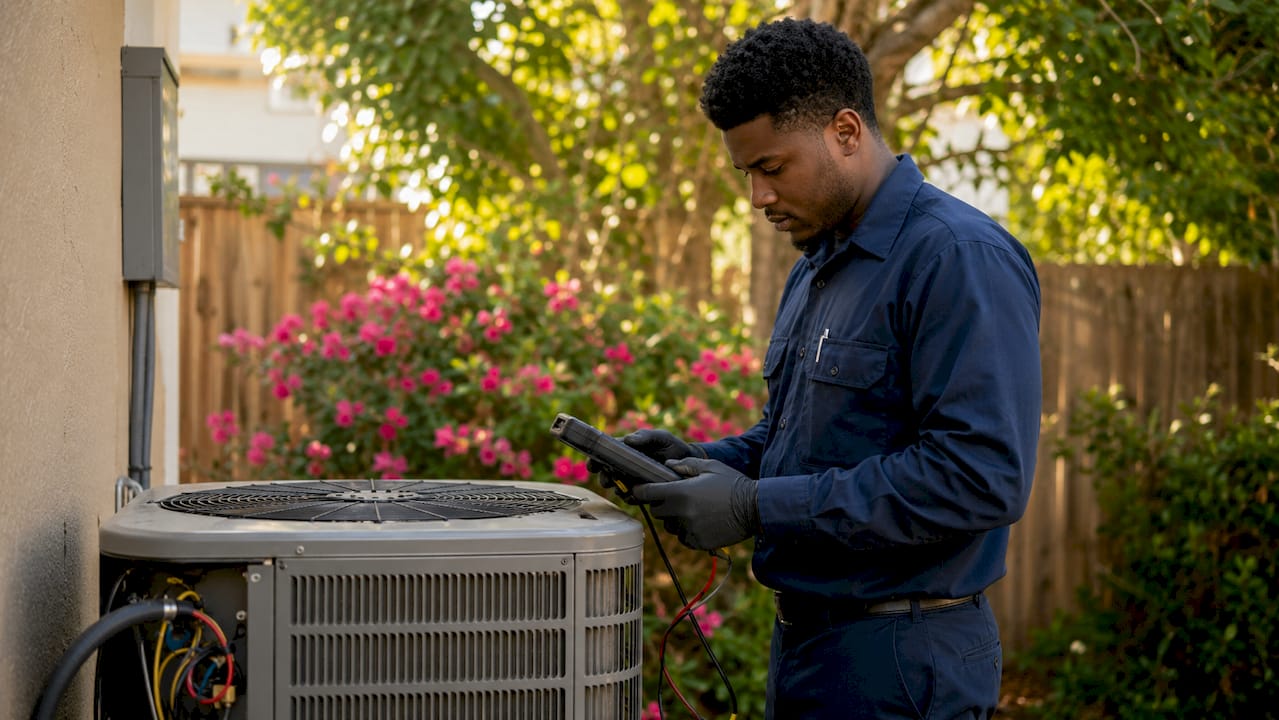
Parts warranties come directly from the manufacturer. Brands like Trane, Carrier, and Lennox cover components such as compressors, coils, and control boards. Compressors typically carry 10–12 year parts warranties, while furnace heat exchangers often come with 20-year or lifetime limited warranties. That level of coverage reflects how critical those components are to the system's function.
Labor warranties are separate and come from your installer, not the manufacturer. The installer's labor warranty is the most critical homeowner protection for the first 24 months after installation. Manufacturers cover parts only. Labor coverage must come from your contractor or through an extended labor plan.
Extended warranties add labor coverage or lengthen parts coverage beyond the standard term. Extended plans typically cost $500–$940 for 10 years of combined parts and labor coverage. That cost is often worth it when you consider a compressor replacement alone can run $1,500 or more in labor.
Home warranties work differently. A home warranty plan for HVAC costs about $400–$800 per year and covers repairs from normal wear and tear. Manufacturer warranties do not cover normal wear. They cover defects in workmanship and materials only. That distinction matters when you file a claim.
Here is a quick comparison of the four main warranty types:
| Warranty Type | Who Provides It | What It Covers | Typical Duration |
|---|---|---|---|
| Manufacturer Parts | Brand (Trane, Carrier, etc.) | Defective components | 5–10 years |
| Labor/Workmanship | Your installer | Installation errors | 1–2 years |
| Extended Warranty | Manufacturer or third party | Parts and labor combined | Up to 10 years |
| Home Warranty | Home warranty company | Wear and tear repairs | Annual renewal |
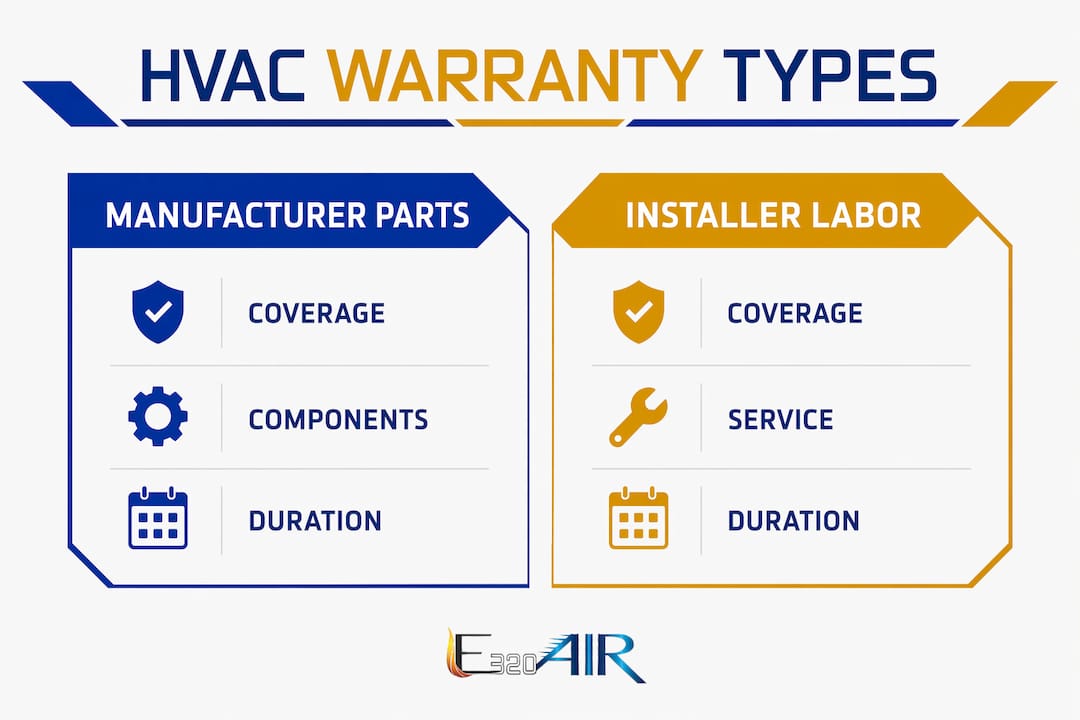
Pro Tip: Standard labor warranties typically last 1–2 years and cost between $115 and $220 to extend. Buying that extension at installation is almost always cheaper than purchasing it later.
How registration and maintenance protect your coverage
Registration is the single most overlooked step in HVAC ownership. Most major HVAC manufacturers offer a base parts warranty of 5 years, extending to 10 years if you register within 60–90 days of installation. Missing that window cuts your coverage in half. That is not a technicality. It is a built-in incentive manufacturers use to confirm proper installation and ownership.
Here is how to protect your warranty from day one:
- Register your equipment immediately. Do this within the first 30 days to stay well inside the manufacturer's window. Most brands allow online registration through their website.
- Use a licensed HVAC contractor for all service. Using unlicensed installers or neglecting professional maintenance can void your warranty outright. California requires HVAC contractors to hold a C-20 license from the Contractors State License Board.
- Schedule annual professional maintenance. Skipping a tune-up gives manufacturers grounds to deny a claim. Proper HVAC maintenance practices also extend system life well beyond the warranty period.
- Keep every service record. Store receipts, invoices, and maintenance reports in a dedicated folder. Digital copies stored in cloud storage work well for this.
- Confirm your installer's qualifications before signing. Ask for their license number and verify it with the California CSLB before work begins.
Failing to register HVAC equipment within the required window reduces coverage duration significantly. Registered warranty periods can double base coverage from 5 to 10 years. That is a decade of parts protection versus five years, simply by completing an online form.
Pro Tip: Take a photo of your equipment's model and serial number plate on installation day. You will need both for registration, and finding them later on an installed unit can be difficult.
What voids an HVAC warranty? common exclusions explained
Warranty exclusions are where most homeowners get caught off guard. Manufacturers write these conditions clearly into the fine print, but few people read them before a problem occurs.
The most common reasons a warranty claim gets denied include:
- DIY repairs or modifications. Any repair you perform yourself, or that an unlicensed person performs, voids coverage immediately.
- Use of non-approved parts. Installing aftermarket components that are not manufacturer-approved breaks the warranty terms.
- Skipped or undocumented maintenance. A manufacturer can deny a claim if you cannot prove the system received regular professional service.
- Improper installation. If your original installer sized the unit incorrectly or did not follow manufacturer specifications, the warranty may be void from day one.
- Damage from neglect or accidents. Flood damage, pest infestations, or physical damage to the unit are excluded from parts and labor coverage.
- Unauthorized system modifications. Adding components or altering refrigerant lines without manufacturer approval falls outside warranty terms.
"Warranties are voided if equipment is not professionally maintained or repaired by unlicensed individuals." — Shipshape Help Center
Understanding these exclusions before you need a repair is the difference between a covered fix and a full out-of-pocket bill. If you are unsure whether a planned repair or modification affects your coverage, contact your manufacturer's warranty department first. Getting that answer in writing protects you if a dispute arises later. For a deeper look at what service practices actually matter, the HVAC maintenance myths guide from E320air covers common misconceptions that lead homeowners to unknowingly void their coverage.
How does HVAC warranty transfer work when selling your home?
Warranty transferability is a real selling point in California's competitive real estate market. A system with 7 years of parts coverage remaining adds tangible value to a buyer. But transferring that coverage is not automatic.
Follow these steps to transfer your HVAC warranty correctly:
- Check the manufacturer's transfer policy. Not all warranties are transferable. Review your warranty documentation or call the manufacturer directly before listing your home.
- Submit a formal transfer application. Most manufacturers require a written request, proof of original purchase, and installation records.
- Pay the transfer fee. Warranty transfer fees typically range from $50 to $150. This is a one-time cost that protects the buyer and preserves the sale's value.
- Complete the transfer before closing. Some warranties expire or reset upon transfer if the process is not completed within a specific window.
- Provide the buyer with all documentation. Include registration confirmation, maintenance records, and the installer's labor warranty if still active.
California home sales move quickly. Waiting until closing to address the warranty transfer often means missing the required window. Confirm the transfer policy at least 60 days before your target sale date.
Pro Tip: Ask your installer at the time of purchase whether their labor warranty is transferable. Many are not, and knowing this early helps you set accurate expectations with buyers.
Key takeaways
An HVAC warranty only delivers its full value when you register on time, maintain the system professionally, and use licensed contractors for every repair.
| Point | Details |
|---|---|
| Register within 60–90 days | Timely registration doubles parts coverage from 5 to 10 years with most major brands. |
| Labor coverage is separate | Manufacturer warranties cover parts only; labor protection must come from your installer or an extended plan. |
| Maintenance records matter | Skipped or undocumented service gives manufacturers grounds to deny warranty claims. |
| Exclusions are specific | DIY repairs, unlicensed technicians, and improper installation void coverage immediately. |
| Transfer requires planning | Warranty transfers cost $50–$150 and require formal applications; confirm policies before listing your home. |
What i've learned about HVAC warranties after years in the field
After working with California homeowners on HVAC installations and repairs for years, one pattern stands out clearly. The homeowners who get the most from their warranties are not the ones with the most expensive systems. They are the ones who treated the paperwork as seriously as the equipment itself.
Registration is the first thing I tell every customer after installation. Not next week. That day. The number of people who lose 5 years of parts coverage because they forgot to register is genuinely frustrating to see. It takes 10 minutes online and costs nothing.
The second thing I push hard on is choosing your installer carefully. Choosing installers with strong labor warranties is often more important than parts coverage alone. A manufacturer will cover a defective compressor. Nobody covers a bad installation except the contractor who did it. A one-year labor warranty from a contractor you cannot reach is worthless. Get the labor warranty terms in writing before signing any installation contract.
I also see homeowners skip annual maintenance to save $150, then face a denied claim on a $2,000 repair because they have no service records. The math does not work in their favor. Consistent professional maintenance is not just good for the system. It is your paper trail when you need to file a claim.
Finally, if you are selling your California home, do not leave the warranty transfer as an afterthought. Buyers notice when a system has transferable coverage. It reduces their risk and can support a stronger asking price. Handle it early and document everything.
— Edward
How E320air helps california homeowners protect their HVAC investment

E320air installs HVAC systems across California using licensed technicians who meet every manufacturer requirement for warranty-valid work. Every installation includes guidance on registration, documentation, and what your coverage actually includes. E320air also offers service plans that keep your maintenance records current and your warranty intact. If you are buying a new system, replacing an existing one, or need help understanding your current coverage, the team at E320air is ready to walk you through it. For professional installation that protects your warranty from day one, explore HVAC installation services built specifically for California homes and their unique climate demands.
FAQ
What does an HVAC system warranty typically cover?
An HVAC system warranty covers defective parts and, if purchased separately, labor costs for repairs. Manufacturer warranties do not cover normal wear and tear or damage from neglect.
How long do HVAC warranties last?
Most manufacturers offer a 5-year base parts warranty, extending to 10 years with timely registration. Labor warranties from installers typically last 1–2 years.
What voids an HVAC warranty?
Using unlicensed technicians, skipping professional maintenance, or making unauthorized modifications voids most HVAC warranties. Always use a licensed contractor for repairs and keep service records.
Can i transfer my HVAC warranty to a new homeowner?
Some warranties are transferable with a formal application and a fee of $50–$150. Check your manufacturer's transfer policy before listing your home for sale.
Is an extended HVAC warranty worth buying?
Extended warranties that cover both parts and labor for 10 years typically cost $500–$940. For California homeowners planning to stay in their home long-term, that coverage often pays for itself after one major repair.