
TL;DR:
- HVAC systems in Southern California include heating, ventilation, and air conditioning components that work together year-round.
- Proper maintenance and efficient system selection are key to saving energy, reducing costs, and maintaining indoor air quality.
- Regular filter changes, duct sealing, and professional tune-ups significantly improve system performance and longevity.
Most homeowners in Southern California think about their HVAC system only when something breaks or when the summer heat becomes unbearable. But your HVAC does far more than cool the air on a hot August afternoon. It controls how your home feels, what you breathe, and how much you pay every month in energy bills. Whether you're managing a rental property or settling into a new home, understanding how your system works gives you real control over your comfort and your costs. This guide walks you through system basics, efficiency ratings, local regulations, and the maintenance habits that actually keep things running.
Table of Contents
- What does HVAC mean and why does it matter?
- How HVAC systems work: Inside the basics
- Efficiency, ratings, and regulations for Southern California
- Maintenance essentials for HVAC health and efficiency
- The overlooked secret to HVAC comfort and savings
- Ready for HVAC comfort in Southern California?
- Frequently asked questions
Key Takeaways
| Point | Details |
|---|---|
| HVAC importance | HVAC systems shape your comfort, energy bills, and indoor air quality—far beyond just cooling or heating. |
| Efficiency drops fast | Neglecting maintenance can cost you 15-30% efficiency each year, increasing bills and repairs. |
| Local codes matter | Southern California requires high SEER2 ratings (15.2+); upgrades and rebates depend on it. |
| Upkeep saves money | Changing filters, sealing ducts, and keeping up with tune-ups delivers lasting comfort and savings. |
What does HVAC mean and why does it matter?
HVAC stands for Heating, Ventilation, and Air Conditioning. These three functions work together as one connected system, not as separate features bolted onto your home. Most people focus on the cooling side because of Southern California's climate, but all three components play a role in making your home livable year-round.
Here's a quick look at the core parts of a typical residential HVAC system:
- Furnace or heat pump: Generates or transfers heat for warming interior spaces
- Air conditioner or heat pump (cooling mode): Removes heat from indoor air and releases it outside
- Ductwork: Distributes conditioned air throughout the home
- Thermostat: Acts as the brain, signaling the system when to run and at what temperature
- Air handler: Circulates air across the coils and through the ducts
In Southern California, the stakes are higher than in most regions. Summer heat waves regularly push outdoor temperatures past 100°F, meaning your system is running hard for weeks at a time. On top of that, wildfire smoke and urban pollution make HVAC and air quality directly connected to your family's health. A well-functioning system filters particulates and controls humidity, which keeps your indoor environment safe and comfortable.
Grid strain is another real concern here. During peak heat events, the electrical grid gets pushed to its limits, and your HVAC compressor is one of the biggest power draws in the house. Understanding how your system fits into that picture helps you make smarter decisions about when and how to run it.
"Systems lose 5-10% efficiency each year without maintenance" — even a brand-new unit will underperform within a few seasons if it's ignored.
That's a significant number when you think about it over a five-year period. Proper HVAC zoning can also reduce how hard your system works by directing conditioned air only where it's needed. And knowing what HVAC contractor roles actually involve helps you ask better questions when you need professional help.
Now that you know why HVAC is larger than you think, let's break down what keeps it running and where things most often go wrong.
How HVAC systems work: Inside the basics
Understanding what your system does is step one. The next is seeing exactly how its parts interact, especially in unique SoCal conditions.
Every residential HVAC system moves air through three core processes. First, it conditions the air by adding or removing heat. Second, it circulates that air through the home via ductwork. Third, it handles ventilation by exchanging stale indoor air with fresh outdoor air, filtered and conditioned before it reaches you.
In a typical split system, the indoor unit (air handler) sits inside the home and contains the evaporator coil and blower fan. The outdoor unit holds the compressor and condenser coil. Refrigerant cycles between these two units, absorbing heat indoors and releasing it outside. When it's extremely hot outside, this process gets harder. Vapor compression cycle efficiency drops in extreme heat, which is why your system runs longer and works harder during a heat wave without necessarily cooling better.
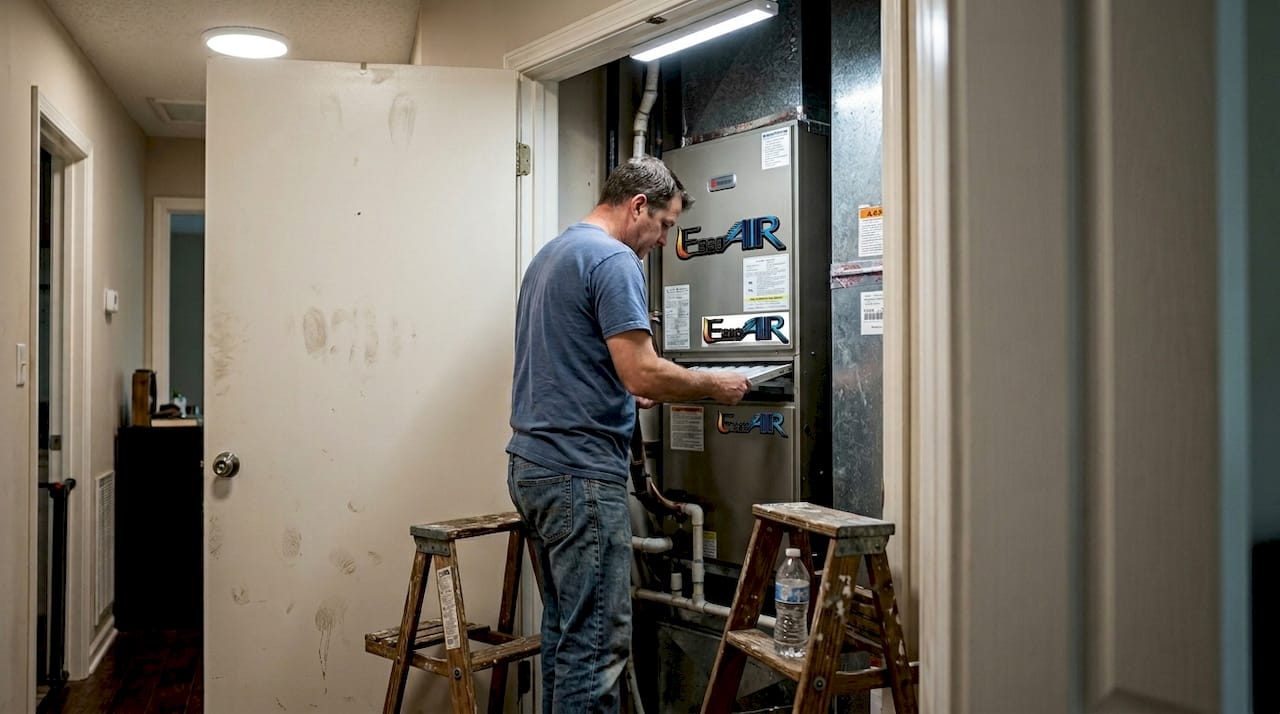
Pro Tip: Monitor your home's voltage during prolonged heat waves. Low voltage from grid strain forces your compressor to draw more current, which can cause premature failure. A simple plug-in voltage monitor near your HVAC disconnect can save you a costly repair.
Here's a comparison of the most common residential system types relevant to Southern California homes:
| System type | Best use case | Key feature | SoCal suitability |
|---|---|---|---|
| Split system | Most homes | Separate indoor/outdoor units | Excellent |
| Package unit | Rooftop or small lots | All components in one cabinet | Good for flat roofs |
| Heat pump (split) | Mild climate zones | Heats and cools in one unit | Ideal for SoCal |
| Mini-split (ductless) | Additions, older homes | No ductwork needed | Excellent for zoning |
Maintaining clean HVAC filters is especially important during heat events because a clogged filter restricts airflow across the evaporator coil, forcing the compressor to work even harder in already difficult conditions.
Efficiency, ratings, and regulations for Southern California
With system mechanics covered, it's time to see what sets today's most efficient, compliant HVAC systems apart in Southern California.
If you've shopped for a new system recently, you've probably seen the terms SEER2 and HSPF2. SEER2 (Seasonal Energy Efficiency Ratio 2) measures cooling efficiency over a full season. HSPF2 (Heating Seasonal Performance Factor 2) measures heating efficiency for heat pumps. Higher numbers mean lower operating costs. These ratings replaced older standards in 2023 to better reflect real-world conditions.
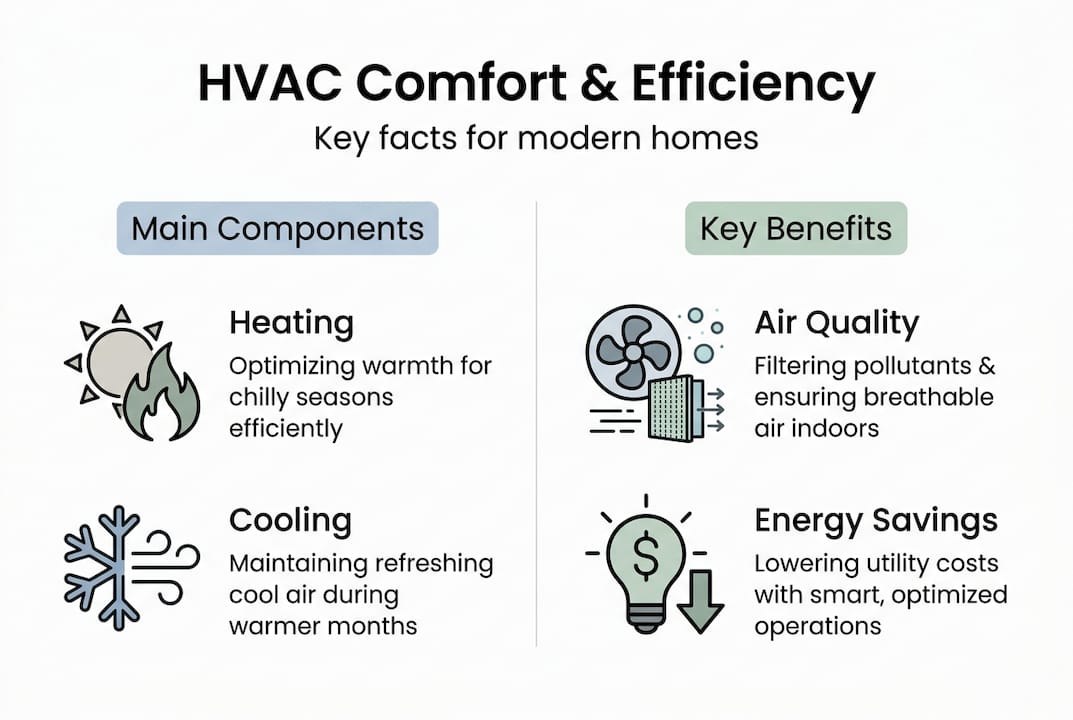
California has its own rules. New split AC systems and heat pumps over 45,000 BTU must meet a minimum SEER2 15.2, and systems rated 17 or higher qualify for rebates. Title 24, California's building energy code, also requires a Manual J load calculation before any new installation to ensure the system is properly sized for the home's actual heat gain and loss.
Here's how the ratings stack up:
| Rating type | Minimum required (SoCal) | Optimal target | Rebate threshold |
|---|---|---|---|
| SEER2 (cooling) | 15.2 (split >45k BTU) | 18+ | 17+ |
| HSPF2 (heat pump heating) | 7.5 | 9+ | Varies by utility |
To get the most out of your new system and stay compliant, follow these steps:
- Verify your contractor pulls the correct permits before work begins
- Request a Manual J load calculation to confirm proper HVAC sizing
- Choose equipment rated at SEER2 17 or higher to qualify for available rebates
- Ask about California HVAC replacement options including heat pump upgrades
- Get a copy of the final inspection for your records
Heat pumps deserve special attention here. Modern heat pumps can cut energy use by 20-50% compared to older systems, making them one of the smartest investments a SoCal homeowner can make right now.
Pro Tip: Don't let the upfront cost drive you toward a cheaper install. A high-efficiency unit installed incorrectly will cost more to operate than a mid-efficiency unit installed precisely. Installation quality matters as much as the equipment rating.
Maintenance essentials for HVAC health and efficiency
After choosing and installing a compliant, efficient system, ongoing care preserves performance and savings.
The single biggest mistake SoCal homeowners make is treating HVAC maintenance as optional. It isn't. Regular filter changes and duct sealing prevent 15-30% efficiency loss, which translates directly to your monthly utility bill. Neglect adds up fast.
Here's what happens when basic maintenance gets skipped:
- Dirty coils reduce heat transfer and force longer run cycles
- Clogged filters restrict airflow and can freeze the evaporator coil
- Leaking ducts send conditioned air into unconditioned spaces like attics
- Low refrigerant causes compressor overheating and eventual failure
- Ignored electrical connections corrode and become fire hazards
Clean filters save around 10% energy; duct sealing reduces losses 20-30%; and annual tune-ups extend system life by years.
Follow this routine to stay ahead of problems:
- Monthly: Check and replace air filters, especially during peak cooling season
- Every spring: Schedule a professional tune-up before the heat season starts
- Every spring: Clear debris from the outdoor condenser unit and check coil fins
- Every fall: Test the heating function before you actually need it
- Annually: Have a technician inspect refrigerant levels, electrical connections, and duct integrity
- As needed: Use HVAC troubleshooting steps to diagnose minor issues before calling for service
Keeping up with regular filter maintenance is the lowest-effort, highest-impact habit you can build. A printable seasonal HVAC checklist tailored to Riverside County conditions can help you stay on track through every season.
The overlooked secret to HVAC comfort and savings
Here's something we've learned after years of working on systems across Southern California: the homeowners with the lowest energy bills and the fewest emergency calls aren't always the ones with the newest equipment. They're the ones who pay attention.
The HVAC industry spends a lot of energy marketing high-efficiency units, and those ratings matter. But a shiny new system with a 20 SEER2 rating installed with incorrect refrigerant charge, leaking ducts, and a dirty filter inside of six months will cost you more than a well-maintained 16 SEER2 unit ever would. We've seen it firsthand, repeatedly.
The uncomfortable truth is that most HVAC failures are predictable and preventable. Voltage spikes during heat waves damage compressors. Skipped filter changes freeze coils. Unsealed duct connections waste 20-30% of the air you're paying to condition. None of these are mysterious failures. They're maintenance gaps.
Small, consistent habits produce better long-term results than any single equipment upgrade. When you change your air filters on schedule, check your thermostat settings seasonally, and get a professional tune-up each spring, you're doing more for your comfort and savings than most upgrades can deliver on their own.
Pro Tip: Set two recurring calendar reminders right now: one for the first of every month to check your filter, and one for March to schedule your annual spring tune-up. That's it. Those two habits alone separate the homeowners who rarely have HVAC problems from the ones who call us in July.
Ready for HVAC comfort in Southern California?
Understanding your system is only half the equation. The other half is having a team you trust to install it right, keep it running, and solve problems fast when they come up.
At E320 Air, we handle everything from code-compliant professional HVAC installation to routine maintenance and emergency repairs across Southern California. If you want to see what we've done for homeowners in your area, browse our real-world HVAC solutions for actual project results. Ready to take the next step? Explore our full HVAC services and find the right solution for your home and budget.
Frequently asked questions
What does HVAC stand for?
HVAC means Heating, Ventilation, and Air Conditioning. It covers every system in your home that heats, cools, and circulates indoor air.
How often should I change my HVAC air filter?
Change filters at least every month during the cooling season. This simple habit prevents 15-30% efficiency loss and keeps airflow healthy year-round.
What efficiency rating is required for new HVAC installs in Southern California?
New split AC and heat pump systems over 45,000 BTU must meet at least SEER2 15.2, and systems rated 17 or higher qualify for utility rebates.
How can I improve my HVAC system's efficiency?
Regular filter changes, annual tune-ups, and sealing your ducts are the three most reliable ways to lower energy bills and improve comfort without replacing equipment.
Are heat pumps a good choice for Southern California homes?
Yes. Modern heat pumps are well-suited to SoCal's mild winters and can cut energy use by 20-50% versus older heating and cooling systems.