
TL;DR:
- Choosing an HVAC system for Riverside and San Bernardino requires focusing on proper sizing, efficiency, air quality, and ease of maintenance suited to the local climate. Essential features include high-efficiency filters, variable-speed compressors, smart thermostats, zoning, and user-friendly maintenance access to ensure long-term performance and health benefits. Prioritizing these options optimizes comfort, energy savings, and system longevity amid challenging heat and air quality conditions.
Picking the right HVAC system feels overwhelming when every model seems to promise the same thing. For homeowners in Riverside and San Bernardino counties, where summer temperatures regularly push past 100°F and wildfire smoke can drift into neighborhoods for days at a time, the features you choose matter far more than the brand name on the unit. This guide walks you through what actually separates a smart HVAC investment from an expensive mistake, covering efficiency ratings, air quality controls, smart technology, and the maintenance features that most buyers completely ignore until something breaks.
Table of Contents
- Key criteria for choosing an HVAC system
- Must-have HVAC features for California homes
- Comparison of top HVAC features: What matters most?
- Tips for customizing your HVAC selection
- The overlooked factor: Why maintenance features save you money
- Next steps: Get expert help with your HVAC upgrade
- Frequently asked questions
Key Takeaways
| Point | Details |
|---|---|
| Prioritize proper sizing | The right-sized HVAC system is crucial for efficiency and comfort in your home. |
| Invest in smart controls | Smart thermostats and zone control boost energy savings and personalized comfort. |
| Don't overlook air quality | High-efficiency filters are essential, especially for allergy sufferers. |
| Maintenance features matter | Choosing maintenance-friendly systems lowers long-term repair costs and stress. |
Key criteria for choosing an HVAC system
Now that you understand why your choices matter, let's identify the main criteria that should guide your HVAC feature selection.
Before you even glance at a model number or compare price tags, you need a clear checklist of what your system should accomplish. The Inland Empire's climate is demanding. Summers are long and brutal, winters are mild but surprisingly cold at night, and air quality swings wildly depending on wind conditions and the season. A system that works beautifully in San Diego may struggle to keep up in Redlands or Moreno Valley.
Here are the core criteria every Riverside and San Bernardino homeowner should evaluate:
- Proper sizing and capacity. Proper sizing and system capacity are essential for comfort and savings. An oversized system short-cycles, meaning it turns on and off too fast to properly dehumidify your home. An undersized one runs constantly and still leaves you sweating.
- Energy efficiency ratings. For cooling, look at the SEER rating (Seasonal Energy Efficiency Ratio). Higher SEER means lower electricity bills. For heating, AFUE (Annual Fuel Utilization Efficiency) measures how much fuel your furnace converts into usable heat.
- Indoor air quality controls. Filters, UV purifiers, and ventilation options directly affect what your family breathes every day.
- Smart thermostats and controls. These allow you to program, monitor, and adjust your system remotely, which is especially useful when temperatures spike unexpectedly mid-week.
- Ease of maintenance. Filter access, diagnostic lights, and service panel layout determine whether maintenance gets done on time or gets skipped because it's too inconvenient.
- Home size and local climate. A 1,200-square-foot condo in Fontana and a 3,500-square-foot house in Rancho Cucamonga require completely different system configurations.
Many homeowners spend weeks comparing efficiency ratings but never ask how easy it is to change the filter or whether the system sends maintenance alerts. That oversight shows up on the repair bill later.
Pro Tip: When comparing systems, calculate the total five-year cost, meaning upfront price plus estimated energy costs minus any utility rebates. Southern California Edison and SoCalGas both offer rebates for qualifying high-efficiency equipment in 2026.
Explore the types of HVAC systems available to better understand which configuration fits your home before you start comparing features.
Must-have HVAC features for California homes
After setting your criteria, let's look at the specific features that make a real difference for homes in hot, dry, and variable California climates.
California homes face a unique combination of challenges: extreme heat, seasonal wildfire smoke, dry air that irritates airways, and increasingly strict energy codes. These realities make certain features non-negotiable rather than optional upgrades.
-
High-efficiency air filters and purifiers. Standard 1-inch fiberglass filters do almost nothing for air quality. Modern HVAC systems come with high-efficiency filters and air quality controls that can handle dust, pollen, pet dander, smoke particles, and even some bacteria. Look for MERV ratings between 11 and 16 for residential use.
-
Multi-stage or variable-speed compressors. A single-stage compressor runs at 100% capacity or not at all. A two-stage or variable-speed compressor adjusts output based on current demand. On a 90°F afternoon, your system runs at moderate capacity and maintains more consistent temperatures without the dramatic on-off cycling that drives up your bill.
-
Smart thermostats and zoning capabilities. Smart thermostats can significantly improve both comfort and energy savings by learning your schedule, detecting occupancy, and adjusting settings automatically. Zoning goes further by letting you set different temperatures in different rooms, so the guest bedroom you never use isn't being cooled to 72°F all summer.
-
Quiet operation and insulated ductwork. Noise levels matter more than most buyers realize. Units are rated in decibels, and a quieter system under 55 dB makes a noticeable difference if your air handler is near a bedroom or home office. Properly insulated ductwork also prevents the 20 to 30 percent energy loss that poorly sealed ducts cause in many older Inland Empire homes.
"A high-efficiency filter can capture up to 97% of airborne particles, making a big difference for indoor air quality." This matters even more during the fire season months when outdoor air quality drops sharply across San Bernardino County.
Investing in filter upgrades is one of the lowest-cost, highest-impact changes you can make to an existing system. If you're shopping for a new unit, make sure the filter housing is easy to reach and that the system is compatible with MERV 13 or higher filters without restricting airflow.
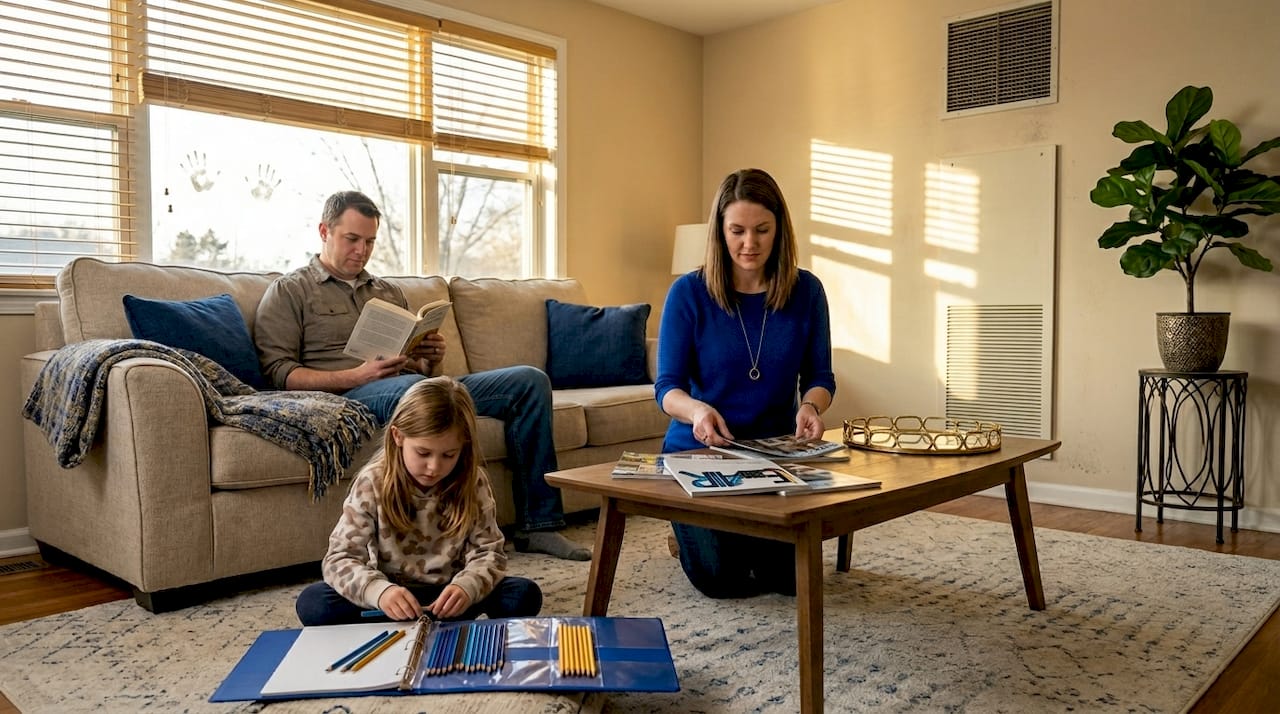
Pro Tip: Invest in a MERV 13 filter as your baseline, not your upgrade. During wildfire season, temporarily switching to a MERV 16 filter can make the air inside your home noticeably fresher compared to what's coming in through any gaps in your building envelope.
Comparison of top HVAC features: What matters most?
With a clearer view of must-have features, it's time to see which ones offer the most value side by side.
Every feature adds cost. The question is whether what you gain in comfort, air quality, or energy savings justifies the investment. This comparison helps you prioritize based on your specific situation, whether you're replacing an aging system on a tight budget or building a high-performance setup in a new construction home.
| Feature | Efficiency impact | Comfort impact | Initial cost | Maintenance need | Air quality impact |
|---|---|---|---|---|---|
| Variable-speed compressor | Very high | Very high | High | Low | None direct |
| Smart thermostat | High | High | Low | Very low | None direct |
| Zoning system | High | Very high | Medium to high | Low | None direct |
| MERV 13+ air filter | Low | Medium | Very low | Medium | Very high |
| UV air purifier | None direct | Medium | Medium | Low | High |
| Insulated ductwork | Medium | High | Medium | Very low | Medium |
| Two-stage compressor | High | High | Medium | Low | None direct |
The best HVAC system types for the Inland Empire typically combine a high-SEER variable-speed heat pump or air conditioner with a smart thermostat and zoning. That combination addresses the three biggest complaints homeowners have: high utility bills, uneven temperatures between rooms, and poor air quality.
Choosing the right combination of features impacts both comfort and utility costs over the long term, especially as electricity prices in California continue to rise. A variable-speed compressor alone can reduce cooling energy consumption by 30 to 40 percent compared to a single-stage unit of the same SEER rating. Pair that with a smart thermostat that prevents unnecessary runtime, and the savings add up to hundreds of dollars each year.
Statistic worth noting: The U.S. Department of Energy estimates that programmable and smart thermostats save the average household between $100 and $150 annually on energy bills. For homes in Riverside and San Bernardino, where cooling loads are significantly higher than the national average, that number often runs higher.
For homeowners considering a full system overhaul, reviewing replacement options for California homes in 2026 can help you understand what new rebates and efficiency standards apply to your purchase.
Tips for customizing your HVAC selection
Understanding the differences among features allows you to tailor your system. Here's how to match choices with your home's specific needs.
Not every home needs every feature. A 900-square-foot apartment in Ontario has different requirements than a 4,000-square-foot two-story house in Yucaipa. Home layout, local environment, and family habits all play a role in choosing the right system and features. Here's how to think through your personal situation:
-
Square footage and insulation. A well-insulated home with double-pane windows needs a smaller capacity system than a similarly sized home with single-pane glass and minimal attic insulation. Before sizing a new system, have an energy audit done to understand your home's actual heat load. This prevents the common mistake of oversizing.
-
Must-have vs. nice-to-have features. If your budget is limited, prioritize variable-speed operation and a smart thermostat before adding zoning or UV purification. Those two features deliver the most measurable return for most homes. Add the rest as budget allows or when the system needs updates.
-
Allergy, pet, and remote work needs. Families with allergy sufferers or multiple pets should treat MERV 13 or higher filtration as a must-have, not a luxury. If anyone in your home works remotely and needs quiet, prioritize low-decibel ratings and check the noise specs for both the indoor air handler and the outdoor condenser unit.
-
Consider your attic and duct layout. In many older Inland Empire homes, ducts run through unconditioned attic space where temperatures can exceed 140°F in summer. Sealing and insulating those ducts before installing a new system can improve efficiency by more than any single feature upgrade.
Pro Tip: Schedule a professional HVAC maintenance check twice a year, once before summer and once before winter. A tuned system runs more efficiently, lasts longer, and is far less likely to fail during a heat wave when you need it most.
If you're planning a phased approach to upgrading your system, understanding the HVAC replacement stages helps you sequence investments to get the most value at each step without overspending upfront.
For homeowners ready to get a full picture of HVAC replacement in California, comparing current system options alongside available incentives makes the decision significantly clearer.
The overlooked factor: Why maintenance features save you money
Here's something most HVAC guides won't tell you directly: the shiniest, most efficient system on the market will underperform and fail early if it's not maintained consistently. And the single biggest predictor of whether a homeowner maintains their system is how easy the system makes it.
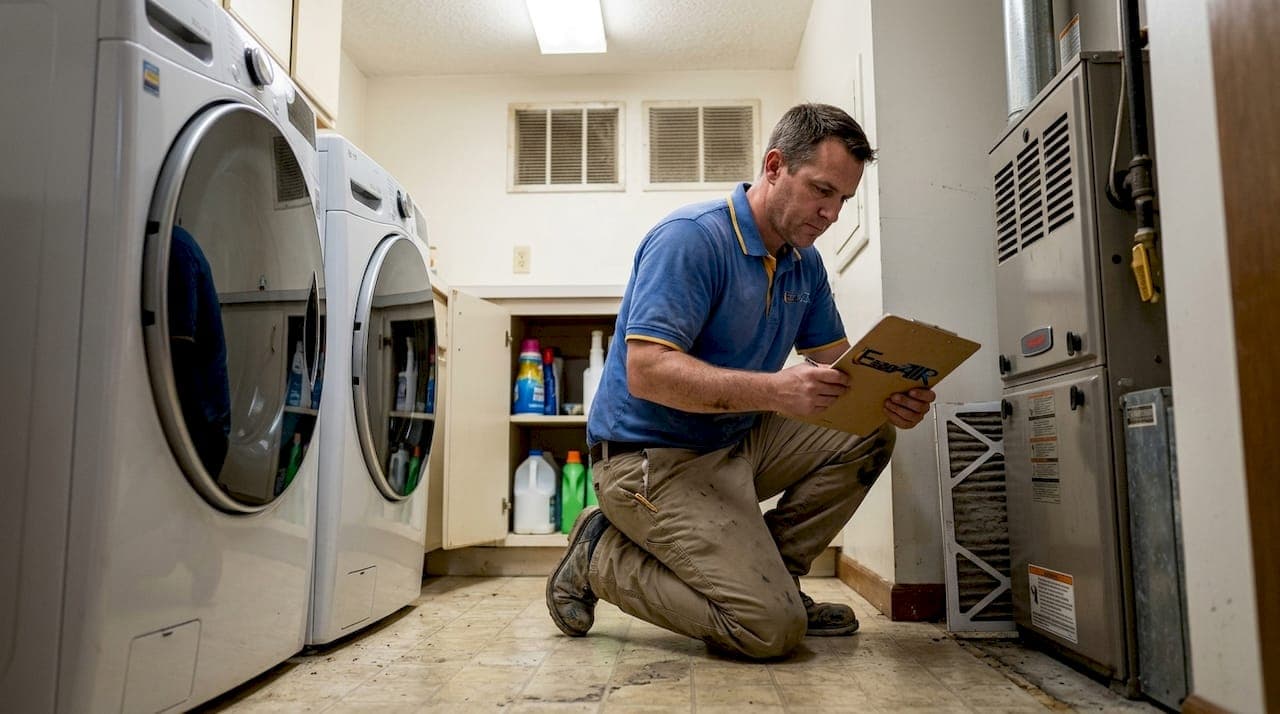
We see this constantly in the Inland Empire. A homeowner invests in a top-tier variable-speed system, but the filter is buried behind a panel that requires a screwdriver and some awkward maneuvering to reach. Six months later, they haven't changed the filter. Dust builds up on the evaporator coil. Efficiency drops. The system strains. Within two to three years, a component that should have lasted ten years is failing.
"The top reason for system failure in our region is neglected filter changes and missed tune-ups. Features that simplify these tasks are a hidden superpower."
When evaluating systems, ask these specific questions: Where is the filter located and how hard is it to access? Does the system have a filter replacement reminder light or app notification? Are the service panels easy to open without special tools? Does the thermostat display error codes that a homeowner can understand?
Ignoring maintenance-friendly features can lead to higher long-term costs and reduced system life. A system with a $150 maintenance-friendly design advantage can save $600 or more in unnecessary service calls over five years, simply because the owner actually stays on top of the basics.
Most feature comparison guides focus on SEER ratings and smart technology because those are easier to quantify. But in our experience working with homeowners across Riverside and San Bernardino, the homes with the best-performing systems over time are the ones where maintenance is simple, visible, and built into the user experience. That's the feature no one talks about until they're staring at a repair bill.
Next steps: Get expert help with your HVAC upgrade
Ready to move forward with your HVAC upgrade? Here's how local experts can help you get it right.
Choosing the right HVAC features is much easier when you have someone who knows the Inland Empire climate, local utility rebate programs, and current equipment availability walking you through the options.
At E320 Air, we work with homeowners across Riverside and San Bernardino counties to design, install, and maintain systems that match their home's real needs, not just a catalog spec sheet. Whether you're replacing an aging unit or building out a high-efficiency setup from scratch, our team handles the sizing, selection, and professional HVAC installation so you don't have to guess. Browse our problem solving gallery to see real examples of how we've helped homeowners like you solve comfort and efficiency challenges, then reach out to get a quote for your home.
Frequently asked questions
Which HVAC feature provides the most energy savings?
Smart thermostats and variable-speed compressors can dramatically reduce energy bills by optimizing system performance year-round, and combining both delivers the highest savings for most Inland Empire homes.
How important are high-efficiency air filters for homes with allergies?
High-efficiency air filters are essential if anyone in your home suffers from allergies, as they remove far more airborne irritants than standard filters. Modern filtration systems capture dust, pollen, pet dander, and smoke particles that cheaper filters miss entirely.
What HVAC features make maintenance easier?
Easy-access filters, wireless system diagnostics, and filter replacement reminders help keep maintenance simple and stress-free. Systems with these features are far more likely to receive the regular attention that extends system life and prevents costly breakdowns.
Do zoning HVAC systems make sense for multi-level homes?
Yes, zoning lets you control temperatures in different areas independently, which boosts comfort and eliminates wasted energy cooling or heating unoccupied rooms. Smart thermostat and zoning combinations are especially effective in two-story Inland Empire homes where upper floors trap heat.